
Airtel Becomes India’s Most Valuable Brand; Meesho Leads Fastest-Growing Brands in 2026

Bharti Airtel has become India’s most valuable brand in the 2026 Kantar BrandZ Top 100 Most Valuable Indian Brands ranking, overtaking HDFC Bank for the first time. Airtel’s brand value increased by 5% over the previous year to reach $43.2 billion. This is the first time a telecom company has secured the top position since the ranking began in 2014. HDFC Bank, TCS, SBI and ICICI Bank occupied the next four positions.

Here Are the Top 10 most valuable brands as per Kantar BrandZ 2026

Rank Brand Brand Value
1 Bharti Airtel $43.20 billion
2 HDFC Bank $35.62 billion
3 Tata Consultancy Services (TCS) $24.11 billion
4 State Bank of India (SBI) $23.65 billion
5 ICICI Bank $20.09 billion
6 UltraTech Cement $15.4 billion
7 Infosys $15.1 billion
8 Life Insurance Corporation (LIC) $10.2 billion
9 Asian Paints $10.1 billion
10 Flipkart $9.8 billion

Nine new brands made it into the top 100 rankings.

Overall brand values have fallen due to pressure from the shift to AI-enabled transformation, Kantar said.

Fastest Growing Brands

  • Meesho had the largest increase in brand value, making it the fastest-growing brand in the rankings. It increased by 64% to a brand value of $1.9 billion, and is ranked 59th in the rankings.
  • Royal Enfield also saw a large increase in brand value. Brand value increased by 60%, reaching $3.8 billion. This placed it 30th in the rankings.
  • This demonstrates that companies within the e-commerce and automobile sectors have strong brand value.

Nine New Brands

Nine new brands have made it into the top 100 in the 2026 rankings. These include,

New Brands Sector
Blinkit Quick commerce
Nescafé Food and Beveragesq
Prestige Group Real Estate
Indian Bank Banking
AU Small Finance Bank Banking
Rapido Mobility Services
Bajaj Life Life Insurance
Bru Coffee
Good Knight Household insecticides.

They span across financial services, consumer goods, real estate, and enabled services.

Indian Brands in the Global Top 100

Three Indian brands featured in Kantar’s Global Top 100 ranking in 2026.

Brand Global Rank
Airtel 62
HDFC Bank 63
TCS 82

Their presence highlights the international standing of major Indian brands.

Airtel Becomes India’s Leading Brand

Airtel has seen a 5% increase in brand value, putting it at $43.2bn. This is an increase of 210% since 2020.

Kantar said that this increase in brand value was driven by Airtel moving beyond being a connectivity brand and being part of a wider digital ecosystem. It now offers services including,

  • Airtel Thanks (a customer benefit and digital solution services platform)
  • Airtel Black (an integrated portfolio of services)
  • 5G Plus (5G connectivity service)
  • Safe Pay (Fraud detection using artificial intelligence).

Within Kantar’s 100 most valuable global brands rankings Airtel has increased to rank 62.

Combined Value of India’s Top 100 Brands Declines 12%

This represents a 12% decrease from last year. In comparison, there was a 22% increase in total brand value within the Global Top 100.

Kantar highlights that the combined brand value for the Top 75 brands in India has doubled since 2020 (100% increase). This increase has exceeded India’s GDP growth.

Financial Services Is Leading Category

Within the Top 100 in India, financial services was the leading category with 29% of total brand value. Within the top 10 most increased brands, 5 are in this category.

Within digital financial services, the following increases have been seen,

  • PhonePe = 31%
  • CRED = 23%
  • Paytm = 23%

Overall, there was a 20% increase in brand value within the retail sector.

Challenges for Tech Brands

Tech brands in India have been under pressure due to the global shift to AI driven businesses.

TCS and Infosys have both seen decreases in brand value. HCL Technologies has fallen from the Top 10. In addition, AI is transforming the typical IT services provided in India. Many previously outsourced processes to IT tech companies can now be automated.

Therefore, Indian IT companies may need to move towards niche solutions and higher added value services to remain competitive.

Highlights of the ranking

Total brand value of the top 100 brands in India = $460.3 billion.

  • Value fell by 12% from the previous year.
  • Total brand value represents approximately 11% of India’s GDP.
  • Financial services had the highest brand value, accounting for 29% of total brand value.
  • Within the financial services sector, five brands have shown the biggest increase in brand value.

How is brand value calculated?

The brand value calculation consists of three elements,

  1. Financial value.: The measure of financial value and performance within a business.
  2. Brand impact: The impact the brand has on consumers and its ability to create demand.
  3. Brand value: Ultimately, a measure of brand value. Taking account of both financial value and brand impact.

Therefore, this ranking does not compare revenues, market capitalizations, and profits between businesses, but compares brand value.
RBI Announces ₹13,345 Redemption Price for Sovereign Gold Bond 2020–21 Series II

The premature redemption price for SGB (Sovereign Gold Bond Scheme) 2020-21 Series-II has been set by the Reserve Bank of India at INR 13,345 per gram. This amount has been set as the average of the previous 3 working days’ closing price of 999-purity gold at IBJA. Here are some details regarding the Sovereign Gold Bond Scheme by the GoI.

Key points of Redemption of SGB

  1. Issue authority: Reserve Bank of India
  2. Scheme: Sovereign Gold Bond Scheme
  3. Series of Bond: SGB 2020-21 Series-II
  4. Redemption price: INR 13,345 per gram
  5. Issue date: 19 May 2020
  6. Premature Redemption Date: 19 November 2026
  7. Purity of Gold: 999 Purity
  8. Benchmark: IBJA
  9. Period of pricing of gold: 16 November to 18 November 2026
  10. Holding Period: 5 Years

Calculation of Redemption Price

The premature redemption price for Sovereign Gold Bonds is calculated as the average of the previous three working days’ closing prices of 999 Purity gold. The prices of gold are obtained from IBJA.

In this case, the prices on 16th, 17th and 18th November 2026 have been taken to calculate the price for 19th November 2026.

Redemption Prize = (P1 + P2 + P3)/3

Where P1, P2, P3 are the prices of gold from the previous 3 working days.

The redemption price is therefore INR 13,345 per gram.

What is the Sovereign Gold Bond Scheme?

The Sovereign Gold Bond Scheme was introduced by the government of India in November 2015 to encourage investments in place of investing in physical gold.

Sovereign Gold Bonds (SGBs) are securities issued by RBI on behalf of the Indian government. In SGBs, investors get a quantity of Gold equivalent in grams. The price of these bonds depends on the current price of gold in the market. Hence, through these bonds, investors can gain profit as per movement in gold prices without actually holding any physical gold.

Key Points of SGB

  • Year of introduction: 2015
  • Issue authority: Reserve Bank of India on behalf of the Indian Government
  • Denomination: Grams
  • Interest Rate: 2.5% P.A
  • Payment of Interest: Half-Yearly
  • Maturity: 8 Years
  • Premature Redemption: Yes. After 5 years on interest payment dates.
  • Redemption Value: Depends upon the current price of 999-purity gold

Note: 2.5% is the standard rate of interest. However, investors must cross-verify the interest rates applicable to their particular bond series.

Important Rules for Premature Redemption

Sovereign Gold Bonds can be prematurely redeemed after 5 years from the issuance date.

The premature redemption can happen only on interest payment dates. The redemption value is calculated by following RBI guidelines to determine the price of gold.

Investors can also sell SGBs on Stock Exchanges. However, it is important to note that selling SGBs on stock exchanges is different from premature redemption. The redemption in this case is requested from RBI.

India and Japan Unveil Logo for 75 Years of Diplomatic Relations in 2027

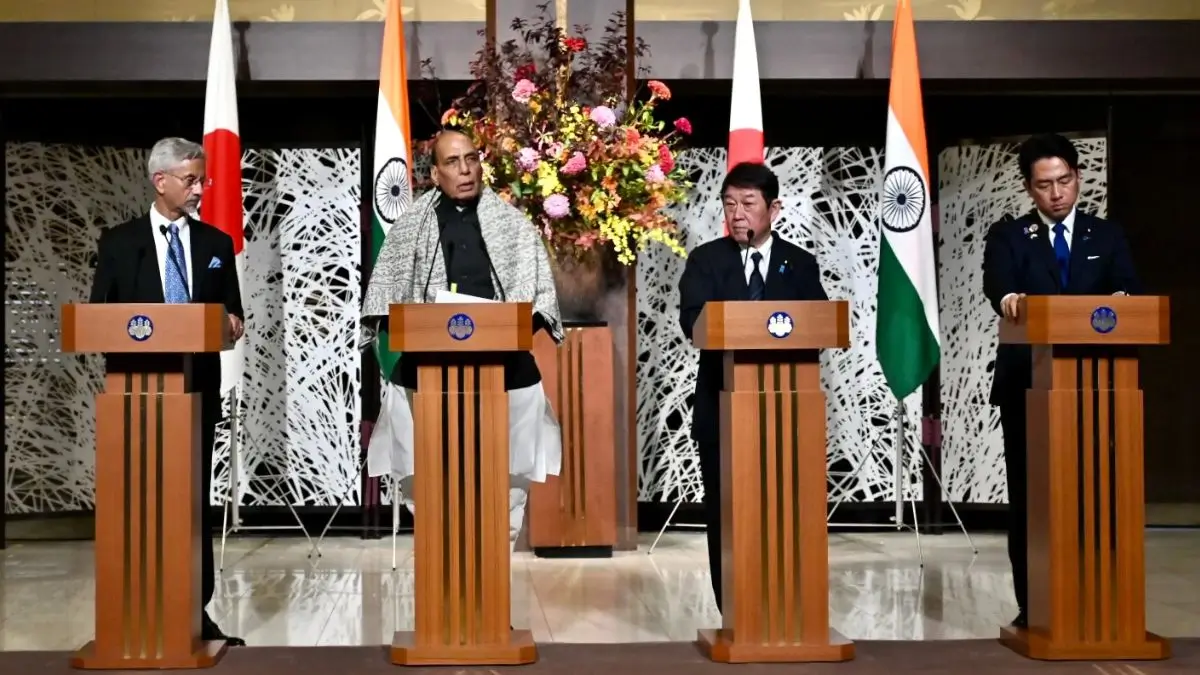
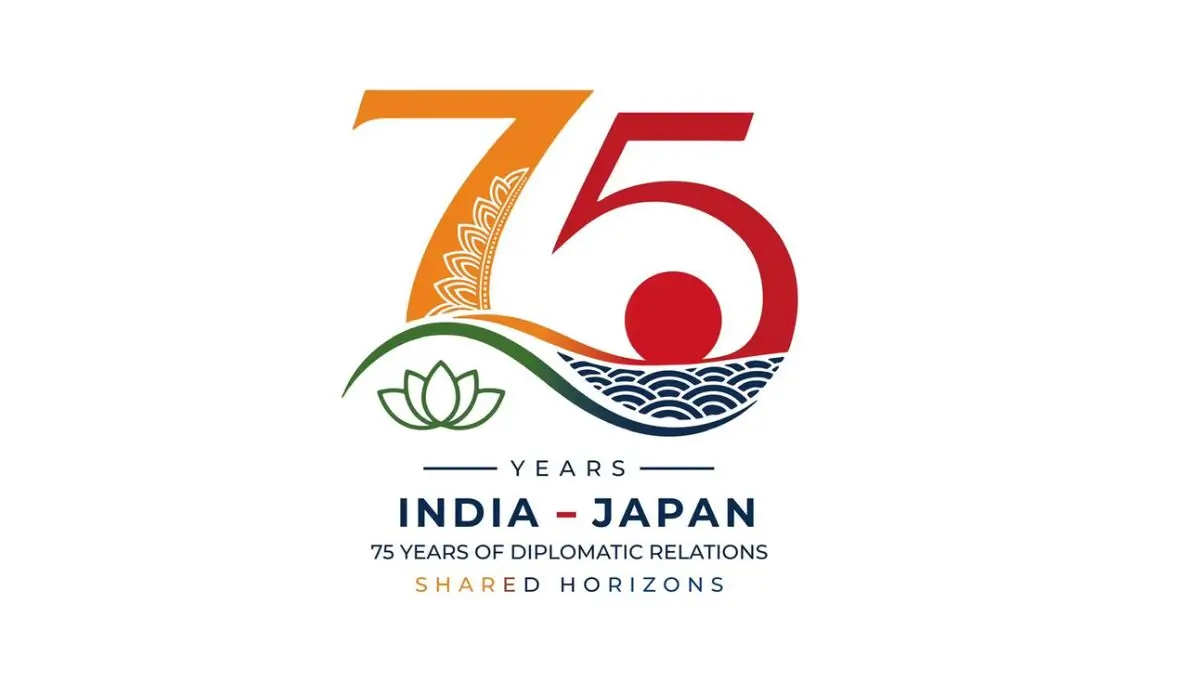
To commemorate 75 years of diplomatic ties between India and Japan in 2027, a new logo has been launched. Indian External Affairs Minister S. Jaishankar and Japanese Foreign Minister Toshimitsu Motegi, held a joint event in Tokyo to launch the logo. Both countries will recognise 2027 as the ‘India-Japan Year of Shared Horizons’. The logo includes cultural elements from India and Japan, reflecting their long-standing diplomatic ties.

India-Japan 75th Anniversary Logo

  • Description: 75th anniversary of diplomatic ties between India and Japan
  • Year of anniversary: 2027
  • Year of commemoration: India-Japan Year of Shared Horizons
  • Launch Date of Logo: 19 th November 2026
  • Location: Tokyo
  • Indian representative: S. Jaishankar
  • Japanese representative: Toshimitsu Motegi
  • Logo designer: Akhil Cleatus
  • Slogan: Shared Horizons
  • Number of designs entered: Over 850

Meaning Behind the Logo

The design of the logo integrates cultural elements from India and Japan within the numbers 75.

Key features of the design,

  • 7 – Includes patterns traditionally seen in India.
  • 5 – Includes the rising sun symbol of Japan and traditional Seigaiha wave patterns.
  • Base – The curve at the bottom of the sun represents an oil lamp in India. The sun represents the flame within the lamp.
  • Ribbons – The two flowing ribbons link the numbers together. They represent a shared horizon between Japan and India.
  • Lotus flower – Represents India.

The colours used in the logo are saffron, green, red and navy blue. The slogan ‘Shared Horizons’ is included in the logo.

Design of Logo

This logo was designed by Akhil Cleatus. He is currently studying for a Masters in Interaction Design at the National Institute of Design (NID) in Bengaluru, India.

A public design competition was held with the entries from 17th August to 15th September of 2026.

Over 850 designs were submitted. A committee formed by the government representatives from both the countries selected the design.

India-Japan Year of Shared Horizons 2027

India and Japan will be celebrating 2027 as the ‘India-Japan Year of Shared Horizons’.

This provides an opportunity to celebrate collaboration between the two countries in several areas, including,

  • defence
  • trade/ investment
  • science/ technology
  • infrastructure
  • education/ cultural exchange
  • regional cooperation in the Indo-Pacific region.

The launch of this logo was held at the 4 th India-Japan 2+2 Foreign and Defence Ministers’ Meeting in Tokyo.

Participants in the Meeting

India

  • External Affairs Minister S. Jaishankar
  • Defence Minister Rajnath Singh

Japan

  • Foreign Minister Toshimitsu Motegi
  • Defence Minister Shinjiro Koizumi

Diplomatic Ties Between India and Japan

Diplomatic ties between India and Japan began on 28th April 1952, with the Treaty of Peace coming into effect.

Since then, bilateral relations have developed in many areas, including economic, technological, cultural and strategic. In 2014, India and Japan upgraded the relationship to a Special Strategic and Global Partnership.

Both countries work closely with Australia and the United States in the Quad. They have a mutual interest in creating a free, open and inclusive Indo-Pacific region.

Fourth India-Japan 2+2 Ministerial Meeting 2026 Held in Tokyo: Key Outcomes and Agreements

A 2+2 Foreign and Defence Ministers’ Meeting between India and Japan took place in Tokyo on 19th of November 2026. The meeting was attended by the India’s defence minister, Rajnath Singh, and External Affairs Minister, S. Jaishankar, alongside Japan’s foreign minister, Motegi Toshimitsu and defence minister, Koizumi Shinjiro. Key issues discussed in the meeting included defence cooperation, maritime security and economic security, critical technology, and stability in the region. The countries reiterated their commitment to a rules-based, free, and Open Indo-Pacific.

About 2+2 Foreign and Defence Ministers’ Meeting

  • Edition: Fourth India-Japan 2+2
  • Dat: 19th November 2026
  • Location of the Meeting: Tokyo, Japan
  • Indian Representatives: Rajnath Singh (Minister of Defence) & S. Jaishankar (Minister for External Affairs)
  • Japanese Participants: Motegi Toshimitsu (Foreign) & Koizumi Shinjiro (Defence)
  • Previous Meeting: 2024
  • Next Meeting: To be mutually agreed upon in India
  • Key Issues: Defence, Security, Strategic Cooperation

What is the 2+2 Ministerial Dialogue with Japan?

The 2+2 ministerial dialogues occur between the Foreign and Defence ministers of two nations.

Within the India-Japan 2+2 dialogue, the ministers present are,

  1. External Affairs Minister of India.
  2. Defence minister of India.
  3. Minister for Foreign Affairs of Japan.
  4. Minister of Defence of Japan.

Issues related to defence cooperation, regional security, maritime security, emerging technology, and international developments can be discussed.

At the fourth meeting, progress on issues raised in the previous meeting in 2024 was reviewed. Ways to strengthen the Special Strategic and Global Partnership between India and Japan were discussed.

Key Agreements

1. Defence Cooperation Strengthened

  • Both nations welcomed the strengthening of defence and Security Cooperation in line with the adoption of the Joint Declaration on Security Cooperation within the India-Japan Annual Summit in August 2025.
  • Japan provided an update to India on the progress of revision of its National Security Strategy, National Defence Strategy, and Defence Buildup Programme.

2. Firing Exercises in India with JSD Forces

  • A Letter of Intent was signed concerning firing ranges in India being used by the Japanese Self-Defence Forces.
  • For the first time, Japanese forces will conduct live firing exercises in India, potentially including surface to ship missile exercises.
  • Both nations agreed to increase coordination between defence authorities to implement this agreement.

3. Strengthening Defence Industrial Cooperation

India and Japan agreed to strengthen defence industrial cooperation under the ‘Design with Japan, Make in India’ framework.

The ministers,

  • Welcomed the third India-Japan Defence Industries Forum taking place in Tokyo in October 2026.
  • Expressed hopes of achieving early arrangements surrounding UNICORN.
  • Looked forward to the Acceptance of Necessity (AoN) from India by February 2027.
  • Encouraged cooperative development, partnership in technology, and defence production.

This initiative aims to utilise Japan’s technological expertise with India’s production industries.

4. Maritime Security

  • Both nations welcomed the new Memorandum of Arrangement for Maritime Security Cooperation.
  • The ministers agreed to further to explore the collaborative development opportunities for naval ships and design.

5. Coast Guard Cooperation

  • Both nations welcomed increased cooperation between their coast guards.
  • They noted the 5 th Coast Guard Global Summit (CGGS) will take place in India in February 2027.
  • The Coast Guard Global Summits framework was initiated by the Japanese Coast Guard.
  • Collaboration in Emerging Technologies

6. Cyber Security and AI

  • Concerns were raised regarding increasing cyber attacks. Agreement was made to increase cooperation between nations on cyber security.
  • Both nations recognise strategic R&D cooperation within AI.
  • They welcomed the Joint Statement on Cooperation in Artificial Intelligence between India and Japan, and agreed to increase cooperation under the Japan-India AI Cooperation Initiative (JAI).

7. Undersea Cables

  • India and Japan reiterated their commitment to ensuring resilient digital connectivity within the Indo-Pacific.
  • They agreed to encourage partnerships within industry to increase trusted diverse, high-speed undersea cable networks.

8. Space

  • Both nations agreed to increase cooperation in Space.
  • They agreed to hold the next India-Japan Space Dialogue at an early date.

Economic Security and Critical Technology Cooperation

Both nations expressed concerns regarding economic coercion, arbitrary export controls, and non-market policies that cause oversupply in industry and disturb international supply chains.

They welcomed adoption of the Joint Declaration on Economic Security Cooperation within the 16 th India-Japan Annual Summit.

Both nations identified strategic areas of cooperation based on projects. These include,

Area of Focus and Cooperation

  • Semiconductors: Partnership in technology and production
  • Critical minerals: Secure and diverse supply chain
  • Information and Communication Technology: Reliable digital infrastructure
  • Clean energy: Resilient energy and technology
  • Pharmaceuticals: Production and supply chain cooperation

Agreement was made to welcome progress in the second round of Economic Security Dialogues and first round of Economic Security Dialogues between private sectors.

Collaboration is encouraged between governmental bodies, industries, and research bodies to reduce strategic vulnerabilities.

Cooperation in the Indo-Pacific and Quad

Importance was placed on cooperation between Indian and Japanese regional strategies.

Both nations welcomed increased alignment between,

  • Indo-Pacific Oceans’ Initiative (IPOI): Promoting cooperation in maritime areas.
  • MAHASAGAR: Mutual and Holistic Advancement for Security and Growth Across Regions.
  • Free and Open Indo-Pacific (FOIP): Japan’s vision for a peaceful, stable, and rules based Indo-Pacific.

Both nations reiterated their commitment to increasing cooperation in the Quadrilateral Security Dialogue (Quad) with Australia, the U.S., Japan, and India.

Both nations welcomed cooperation with ASEAN members. Recent cooperation includes:

The first Trilateral 1.5 Dialogue between India, Japan, and Philippines in October 2026.

The first trilateral PASSEX naval exercise between India, Japan, and Indonesia in February 2026.

Reforms in the United Nations Security Council

Both nations reiterated their support for reform within the United Nations Security Council (UNSC).

Both nations called for an increase in permanent and non-permanent member states to reflect current geopolitical reality.

Key Points,

  • Both nations supported each others applications for permanent member status within the reformed UNSC.
  • India and Japan confirmed support for each others applications for non-permanent member status within the UNSC.
  • India’s application is for 2028-29.
  • Japan’s application is for 2033-34.

India-Japan Year of Shared Horizons (2027)

  • India and Japan will be celebrating 75 years of diplomatic relations in 2027. This will be referred to as the India-Japan Year of Shared Horizons.
  • An official logo for the celebration was welcomed by both ministers. Commemorative activities will be held throughout the year.
  • A cricket match took place between India and Japan in Sano City, Japan as a kick-off event.
  • It is expected that this anniversary will help to increase friendship, cultural understanding, and people to people ties between the nations.

Who Is Vijay Sankar? New FICCI President for 2026–27

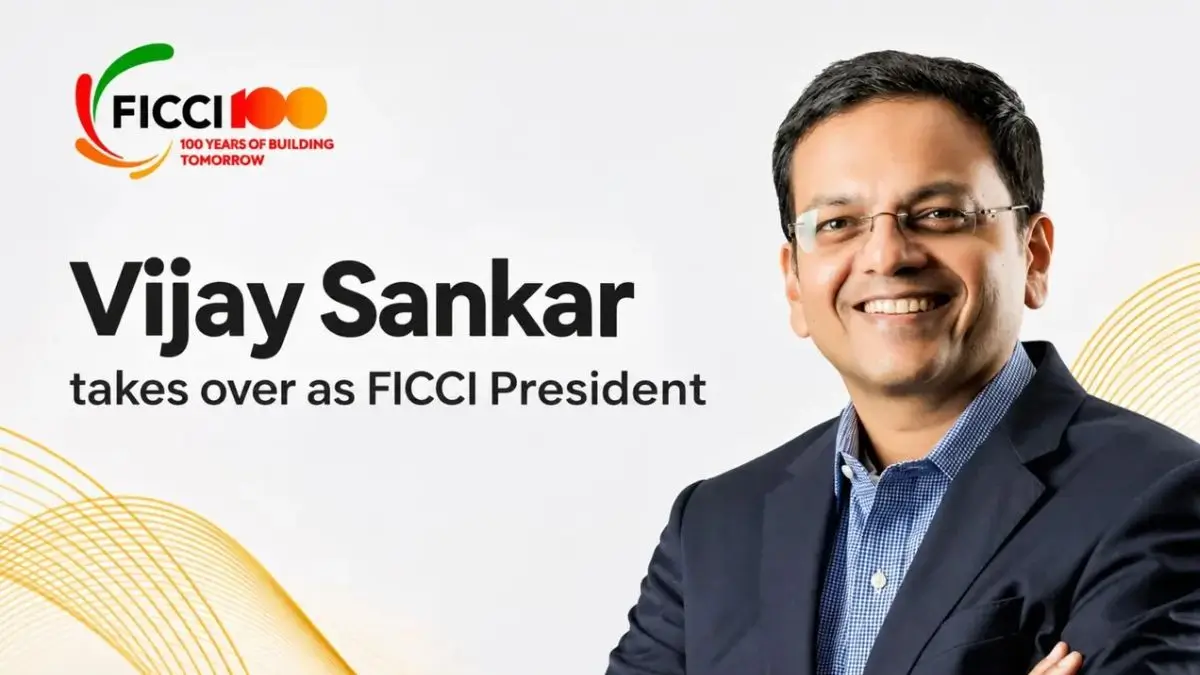
Vijay Sankar has been elected as the President of the Federation of Indian Chambers of Commerce and Industry (FICCI) for 2026-27. He replaces Anant Goenka, Vice Chairman of RPG Group. The new leadership at FICCI was announced on November 19, 2026, at the FICCI Annual General Meeting and the Annual Convention in New Delhi. In addition, Puneet Dalmia has been appointed as Senior Vice President and Shreevar Kheruka has been appointed as Vice President. This comes as FICCI begin its centenary year.

New Leadership at FICCI

Role Name Company/Position
President Vijay Sankar Chairman at The Sanmar Group
Senior Vice President Puneet Dalmia MD and CEO at Dalmia Bharat
Vice President Shreevar Kheruka MD at Borosil
Earlier President Anant Goenka Vice Chairman of the RPG Group

The new leadership at the FICCI was announced on November 19, 2026 at the FICCI Annual General Meeting in the National Capital New Delhi. The Annual Convention was inaugurated by Honorable Prime Minister Narendra Modi.

About Vijay Sankar

Vijay Sankar is the Chairman of The Sanmar Group, a business conglomerate based in the Chennai. Prior to becoming President of FICCI, he was a Senior Vice President and became President-Elect on October 29, 2026.

He has held a number of positions, including,

  • Chairman of The Sanmar Group.
  • Chairman of Chemplast Sanmar.
  • Independent Director at TVS Motor Company and Larsen & Toubro.
  • Honorary Consul General of Denmark in Chennai.

He was awarded a ‘Knight’s Cross of the Order of Dannebrog’, an honour from the country of Denmark, for his work as Consul General.

Businesses Within The Sanmar Group

  • Chemicals and specialty chemicals
  • Engineering
  • Steel foundries
  • Shipping

Other Key Roles Announced at FICCI

Puneet Dalmia – Senior Vice President

  • Puneet Dalmia, currently MD and CEO of Dalmia Bharat, has been appointed Senior Vice President at FICCI.

Key Information

  • Has been MD of Dalmia Bharat since 2004.
  • Co-founded JobsAhead.com in 1999.
  • JobsAhead.com was purchased by Monster.com in 2004.
  • Chairperson at the Board of Governors, IIM Raipur.

Shreevar Kheruka – Vice President

  • Shreevar Kheruka, currently MD at Borosil, has joined FICCI’s leadership team as Vice President.
  • Kheruka has been involved in the Borosil Group since 2006.

About FICCI

FICCI is one of the key business and industrial associations in India. It brings together various businesses in different industries, and allows for engagement between business, Government and other parties.

  • Full Name: Federation of Indian Chambers of Commerce and Industry
  • Acronym: FICCI
  • Founded: 1927
  • Head Office: New Delhi
  • Type of Organization: Private Business / Industry association
  • Key Purpose: Supports industry and drives economic growth
  • Key Fact for 2026-27: Centenary Year!

As FICCI was founded in 1927, it will be celebrating its 100 th anniversary in 2026-27.

L Madhu Nag Appointed Director General of Akashvani

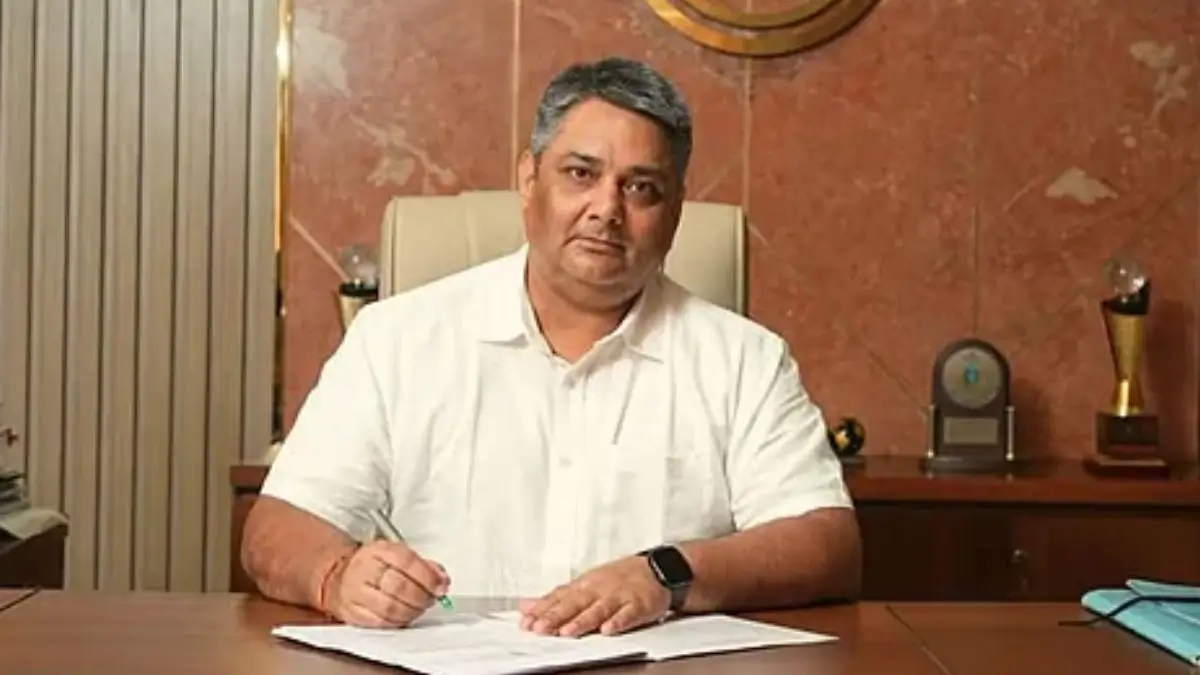
L Madhu Nag has taken up the role of Director General at Akashvani. This comes after his previous role as Registrar at the Indian Institute of Mass Communication, New Delhi. He is an officer of the 1994 batch of Indian Information Service (IIS). He has experience in media, broadcasting and public communication in organizations belonging to the Ministry of Information and Broadcasting.

About L Madhu Nag

  • Name: L Madhu Nag
  • Service: Indian Information Service (IIS)
  • Batch: 1994
  • New Role: Director General at Akashvani
  • Date of assuming role: 19 November 2026
  • Previous role: Registrar at Indian Institute of Mass Communication (IIMC), New Delhi
  • Experience in: Media, Broadcasting and Public Communication

Overview of L Madhu Nag

L Madhu Nag is a senior officer at the Indian Information Service. He is part of the 1994 batch and has worked in different media organizations belonging to the Ministry of Information and Broadcasting.

L Madhu Nag has previously been the Registrar at the Indian Institute of Mass Communication (IIMC) in New Delhi.

He has worked within,

  • Central Bureau of Communication (CBC) – public communications and information dissemination.
  • Doordarshan – public broadcasting service.
  • Indian Institute of Mass Communication (IIMC) – leading academic / training / research centre for Journalism.

L Madhu Nag’s experience spans public communications, public broadcasting and media management.

Overview of Akashvani

Previously known as All India Radio (AIR)

Akashvani (known commonly as All India Radio, AIR) is a public broadcasting service within India. It operates as a division of the Prasar Bharati.

Key services include,

  • News and current affairs.
  • Education, culture and entertainment.
  • Providing content in a variety of Indian Languages.
  • Raising awareness and supporting communication for the Government.
  • Providing services to people in urban, rural and remote areas.

Key facts about Akashvani and Prasar Bharati

  • Previously known as: All India Radio (AIR).
  • Type of service: Public broadcasting service.
  • Operating under: Prasar Bharati
  • Status of Prasar Bharati: Statutory autonomous company.
  • Statutory backing: Prasar Bharati (Broadcasting Corporation of India) Act (1990).
  • Other key broadcasting service: Doordarshan
  • Ministry: Ministry of Information and Broadcasting

India-Malaysia Joint Military Exercise Harimau Shakti–VI Begins in Malaysia

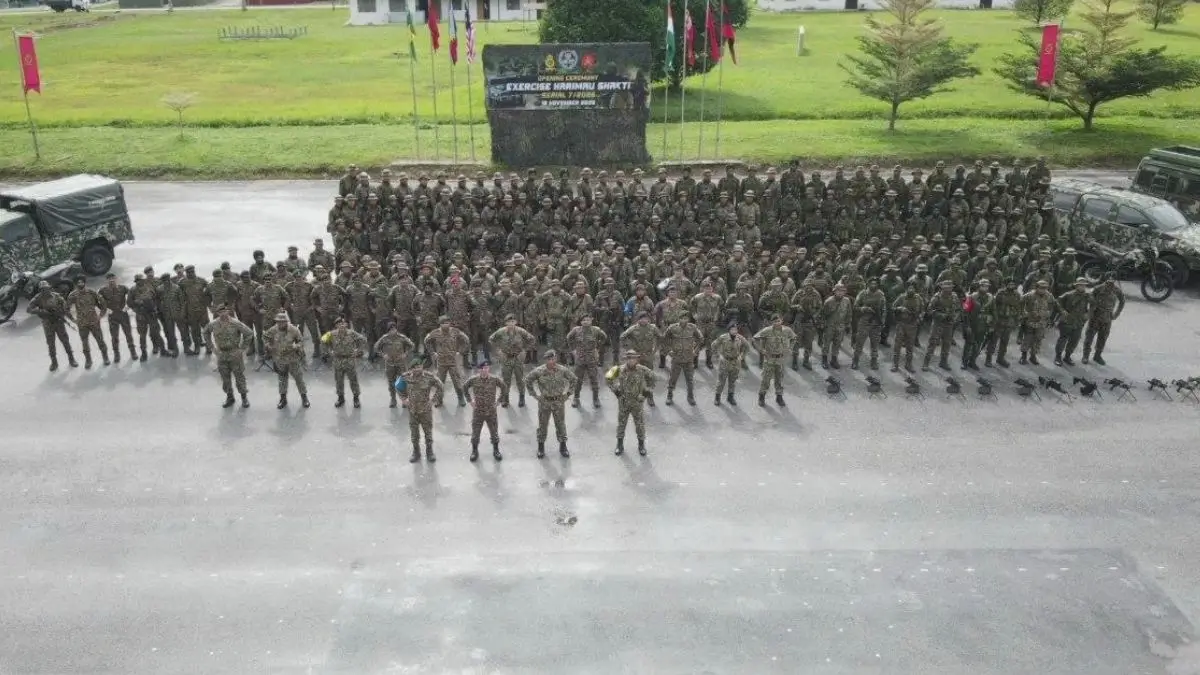
The 6th Indo-Malaysian joint exercise Harimau Shakti-VI began in Ipoh, Malaysia, on 19 November 2026. The joint training exercise between the armies of the two countries will last till 30 November and will involve 120 soldiers from both sides. This joint training exercise aims to increase military co-operation by focussing on counterterrorism operations in Jungle and Semi Urban terrains. This exercise also aims to increase coordination and surveillance capabilities as well as utilization of Unmanned platforms in military operations.

About Harimau Shakti-VI Exercise 2026

  • Exercise Name: Harimau Shakti-VI
  • Countries Involved: India and Malaysia
  • Exercise Edition: 6th
  • Year: 2026
  • Location: Ipoh, Malaysia
  • Date: 19th to 30th November 2026
  • Participants: 120 members from both countries
  • Type: Bilateral military exercise
  • Focus: Counter-terrorist operations
  • Environment: Jungle and semi-urban

About the Exercise

Harimau Shakti is a bilateral military exercise between the Indian and Malaysian armies. This exercise takes place alternatively in India and Malaysia, allowing cooperation between the two armies.

It focuses on conducting sub-conventional operations in accordance with Chapter VII of the United Nations. In particular, this exercise focuses on coordinated counter-terrorist operations.

This 6 th edition aims to improve compatibility, coordination and understanding between both armies.

Aims of Harimau Shakti-VI

This exercise aims to increase cooperation between Indian and Malaysian forces in counter-terrorist operations.

The main aims of this exercise are as follows,

  • Conduct joint sub-conventional military operations
  • Increase coordination in counter-terrorist operations.
  • Increase tactical abilities in Jungle/semi urban environments.
  • Share operational methods and best practices.
  • Increase compatibility through joint planning and operations.
  • Incorporate new technologies within surveillance and operations.

Key Activities During the Exercise

The exercise will take place in stages. Initially training will be completed to allow teams to become familiar with one another, followed by joint tactical exercises.

Activity Aim
Joint Command Post Coordinates the joint operations.
Surveillance Increased monitoring and intelligence.
Counter Terrorist Exercise Coordinated response to terrorist threat.
Raids Tactical operations against hostile targets.
Cordon and Search Secure area and search for possible threats.
Combat Engineering Engineering support in military operations.
Joint Tactical Exercises Improved cooperation between soldiers from both countries.
Use of Drones and Counter-Drones This exercise makes use of drone technologies.
Use of Unmanned Aerial Systems Used in reconnaissance to increase awareness.
Use of Counter-Unmanned Aerial Systems Detect and eliminate hostile drones that could create risk in military operations.

The exercise allows forces from both countries to practice using these technologies in a coordinated manner in counter-terrorist operations.

End of Exercise

The exercise will conclude with a joint verification exercise simulating a counter-terrorist operation.

This will see joint land operations combined with surveillance and drone technology. As such, it can be seen how well both armies can work together to efficiently plan and conduct operations.

Significance of Defense Collaboration between India and Malaysia.

By taking part in this exercise, collaboration between defense forces in India and Malaysia has been increased. Soldiers from both countries have had the opportunity to share tactics, methods and operations.

As a result, compatibility and understanding between both forces should improve. It improves military relations between the two countries and contributes to peace and stability in the region.

U.S., China and Russia Hold Historic Trilateral Summit in Shenzhen: Key Outcomes and Significance

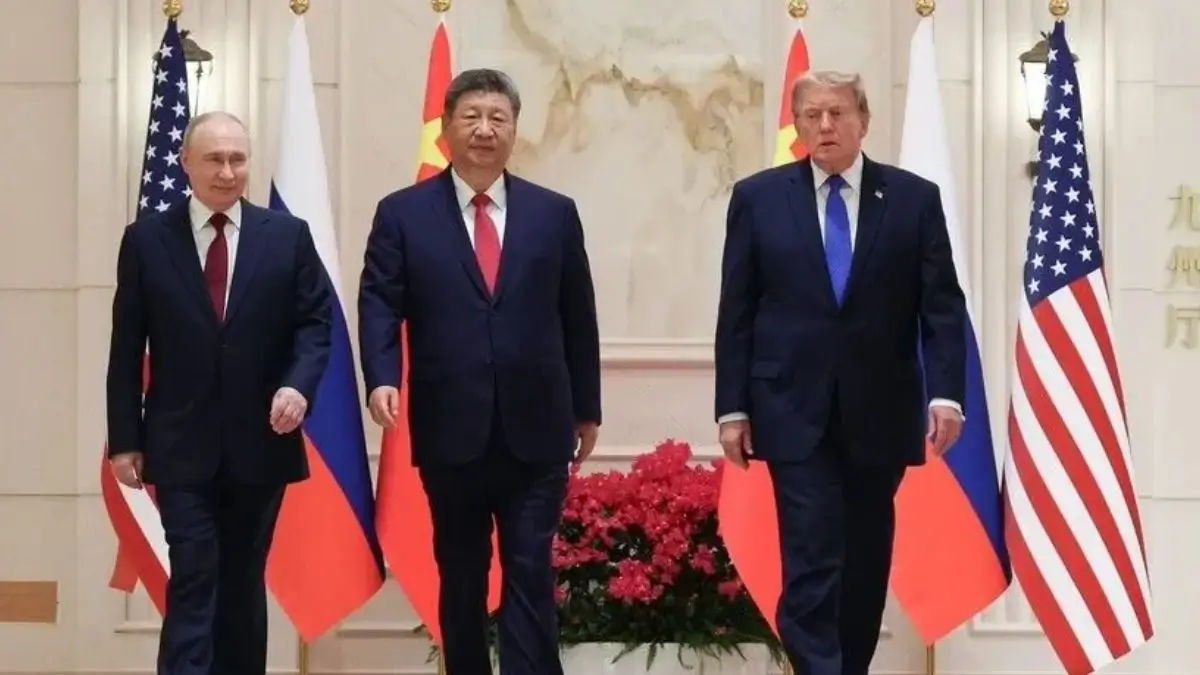
On 19th November 2026, the first U.S.-China-Russia Trilateral Summit took place during the Asia-Pacific Economic Cooperation (APEC), in Shenzhen in China. The meeting between Donald Trump (U.S.), Xi Jinping (China) and Vladimir Putin (Russia) resulted in a joint declaration, called the ‘China-Russia-U.S. Heads of State Declaration toward Peace’. The declaration stated that the countries wish to cooperate on reforming the United Nations, increasing energy stability, limiting the jurisdiction of the International Criminal Court, and reducing nuclear risk. However, there were no major breakthroughs regarding the conflicts in Ukraine and Iran.

U.S.-China-Russia Trilateral Summit 2026

  • Type of Summit: U.S.-China-Russia Trilateral Summit
  • Date: 19 November 2026
  • Location: Shenzhen, Guangdong Province, China
  • Leaders Attending: Donald Trump, Xi Jinping, Vladimir Putin
  • Countries Involved: United States, China, Russia
  • Significance: First time these 3 leaders have met in a trilateral summit.
  • Declaration: China-Russia-U.S. Heads of State Declaration toward Peace
  • Key Themes: Strategic stability and international security

What was Agreed Between Them?

A four-point declaration was made by the leaders of the U.S., China, and Russia. The declaration is called the ‘China-Russia-U.S. Heads of State Declaration toward Peace’.

Agreements

  1. Reforming the United Nations: Improve the ability of the United Nations to address challenges facing the world, and create international peace and security.
  2. Energy security: Increase production and supply of refined oil products. Create stable energy supplies.
  3. International Criminal Court: Emphasis on consent from states to be in operation, and immunity for state employees. The declaration also states that abuse of jurisdiction in the International Criminal Court (and similar courts) should be avoided.
  4. Reducing nuclear risk: Begin dialogue to reduce nuclear risk. Prevent proliferation of nuclear weapons.

Although some agreements were made, there was no detailed agreement on how to stop the conflict in Ukraine and resolve the crisis in Iran. Therefore, whilst this summit had diplomatic importance, it had limited progress in resolving conflicts.

Key Points Agreed

1. Reduce Nuclear Risk

  • A key topic within the summit was nuclear security. It was agreed by the three nations that nuclear war can never be won and must never occur.
  • It was agreed that dialogue will begin to reduce nuclear risks and prevent nuclear weapons proliferation.
  • This was a particularly important point due to the U.S., Russia and China having the top 3 largest nuclear weapon stockpiles in the world.
  • Additionally, President Donald Trump expressed interest in discussing reducing the amount of nuclear weapons to reduce risk of use.

2. Reforming the United Nations

  • All 3 nations have stated their commitment to reforming the United Nations to allow it to be more effective at addressing global challenges.
  • This is significant due to all 3 countries being permanent members of the Security Council of the United Nations (UNSC) and thus having voting rights.
  • However, specific details of what changes will be made, and when, were not specified in the declaration.

3. Energy Security

  • It was agreed by the leaders that production of refined oil products should be increased for the benefit of all nations.
  • Additionally, it was emphasised that stable energy supplies are important. Due to current international tensions, energy markets have been disrupted globally, meaning energy security has been a key point in discussion.

4. International Criminal Court (ICC)

  • It was emphasized that consent from states should be obtained and that legal immunity of state employees should be respected.
  • The leaders also agreed that the International Criminal Court (and similar courts) should not abuse its jurisdiction.
  • This shows that all 3 leaders are concerned with international legal authority exercising control over state employees.

What did Trump, Xi and Putin Say?

  • Trump said that it was a historic meeting. He said that the 3 countries would be able to make progress in reducing nuclear weapons and preventing their use.
  • Xi said that the great powers should coexist peacefully, and that they should respect each others’ sovereignty and territorial integrity. He warned that conflict could arise between old and new powers.
  • Putin said that there were shared interests in solving regional conflicts such as the conflict in Ukraine. He also mentioned that food and energy security would also be discussed.

About Thucydides Trap

  • During this summit, President Xi of China mentioned the idea of the Thucydides Trap. This theory in international relations refers to the risk of conflict when a rising power threatens an existing dominant power.
  • The theory comes from the Ancient Greek historian Thucydides and his analysis of why the Peloponnesian War occurred between Athens and Sparta.
  • The term is commonly used in modern geopolitics to refer to tensions between existing powers (such as the U.S.) and rising powers (such as China).
  • President Xi encouraged the 3 countries to avoid conflict and coexist peacefully.

Why was the Shenzhen Summit Significant?

This summit is significant as it was the first trilateral meeting between the leaders of three key world powers.

Reasons why this was significant include,

  • Global security – The leaders discussed reducing nuclear risk and creating strategic stability in international relations.
  • Co-operation in the UN – As all 3 nations are permanent members in the Security Council of the UN, they all support reform in the organization.
  • Energy stability – In the declaration, all 3 agreed to increase refined oil supplies.
  • Relationships between key powers – Washington, Beijing and Moscow were able to directly engage with each other.
  • Diplomacy – Despite the limited outcomes, the summit provided an opportunity for ongoing discussion around global issues.

Despite these positives, there were no major agreements to overcome the disagreement between the nations relating to the conflicts in Ukraine and Iran, and U.S.-China trading relations.

Milkha Singh Birth Anniversary 2026: The Flying Sikh’s Life, Achievements, Medals and Legacy

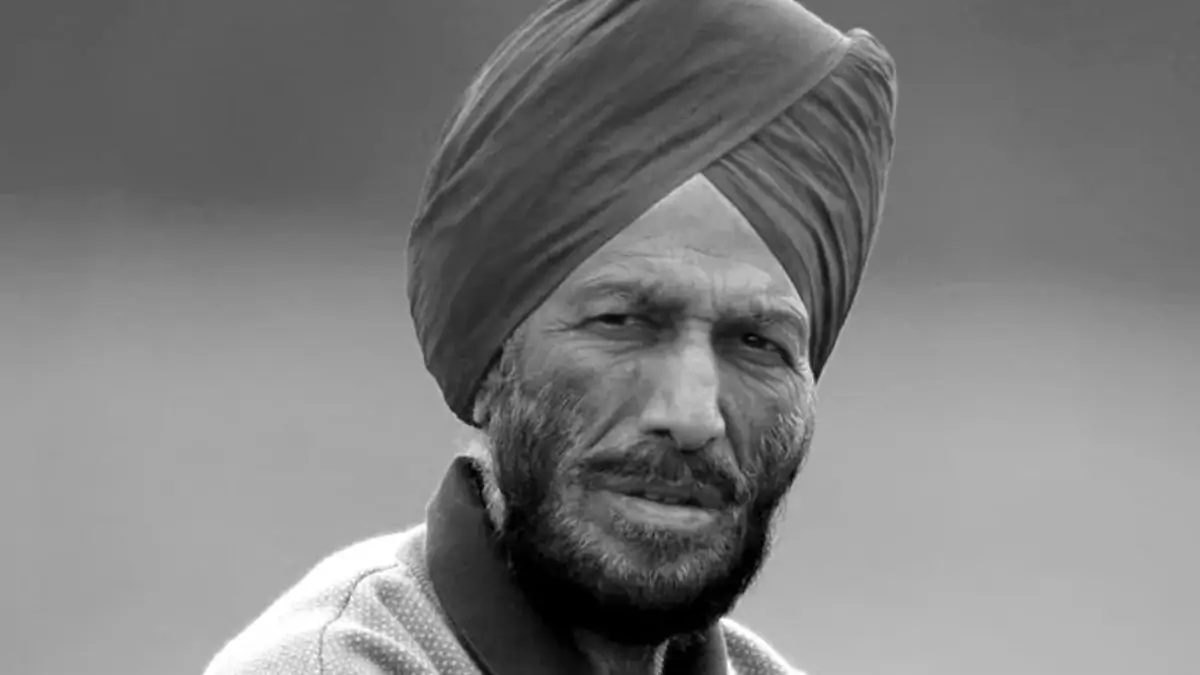
Milkha Singh, nicknamed the ‘Flying Sikh’, was an amazing track athlete in India. In the 200m and 400m, Milkha Singh won gold medals in the 1958 and 1962 Asian Games. He was also the first male athlete from India to win an individual athletics gold medal at the Commonwealth Games. Furthermore, Milkha Singh placed 4th in the 400m final at the 1960 Olympic Games in Rome; this is one of the most memorable moments in Indian athletics. On 20th November, his birth anniversary is observed.

About Milkha Singh (1929-2021)

  • Nickname: The Flying Sikh.
  • Profession: Sprinter.
  • Country: India.
  • Events: 200m and 400m.
  • Highest Award: Padma Shri.

Milkha Singh was a sprinter from India. He competed in 3 Olympic Games. These were in Melbourne (1956), Rome (1960) and Tokyo (1964). He became very well known due to becoming very fast and achieving great results internationally.

Milkha Singh became a competitive athlete after joining in athletics while serving in the Indian Army.

Biography of Milkha Singh

Milkha Singh was born on 20th November 1929 in Govindpura village in British India. This location is now within Punjab in Pakistan.

During the partition of India in 1947, Milkha Singh faced very difficult times. Many members of his family, including his parents, were killed during the conflict. After fleeing to India, Milkha Singh lived with family members and in refugee camps in Delhi.

After multiple attempts, Milkha Singh joined the Indian Army in 1951. While working at the Electrical and Mechanical Engineering Center in Secunderabad, Milkha Singh was introduced to organized athletics.

During compulsory cross-country races for recruits, Milkha Singh performed impressively and was given specialist training in athletics. As a result, Milkha Singh began competing professionally as a sprinter.

International Career

Milkha Singh competed in many international events for India, and became one of the top sprinters in Asia.

1956 Olympics, Melbourne

  • Milkha Singh competed in the 200m and 400m at the 1956 Olympic Games in Melbourne. However, he did not progress past the preliminary rounds.
  • However, he met Charles Jenkins, who won gold in the 400m. This inspired Milkha Singh to improve his training.

1958 Asian Games and Commonwealth Games:

  • 1958 was an extremely significant year in Milkha Singh’s career.
  • Milkha Singh won Gold in the 200m and 400m in the Asian Games in Tokyo.
  • In the 1958 British Empire and Commonwealth Games in Cardiff, Milkha Singh won gold in the 440 yard race, with a time of 46.6 seconds. Therefore, Milkha Singh became the first male athlete from India to win an individual athletics gold medal at the Commonwealth Games.

1960 Olympics, Rome

  • One of the most talked about moments in Indian sports history was Milkha Singh’s performance in the 1960 Olympics in Rome.
  • Milkha Singh competed in the 400m. He placed 4th in a very close race. He had an official time of 45.73 seconds. However, he narrowly missed out on an Olympic medal.
  • Later, Milkha Singh reflected on this race and said that slowing down and glancing back in the race caused him to perform poorly in this race. His time was a new national record for India, and went unbroken for almost forty years.

1962 Asian Games

  • Milkha Singh won two gold medals in the 1962 Asian Games in Jakarta, Indonesia. These were in the 400m, and 4x400m relay. This solidified Milkha Singh as one of India’s most successful athletes at the Asian Games.

1964 Olympics, Tokyo

  • Milkha Singh was included in the athletics team for the 1964 Olympic Games in Tokyo. He was entered for the 400m, 4x100m and 4x400m relays.
  • However, he did not compete in the individual 400m and 4x100m. The Indian 4x400m relay team did not progress past the heats.

Major Medals and Achievements by Milkha Singh

Throughout his full athletic career Milkha Singh has won many national and international medals.

Year Event Competition  Medal
1958 200m Asian Games (Tokyo) Gold
1958 400m Asian Games (Tokyo) Gold
1958 440 Yard Commonwealth Games (Cardiff) Gold
1958 200m National Games (Cuttack) Gold
1958 400m National Games (Cuttack) Gold
1962 400m Asian Games (Jakarta) Gold
1962 4x400m Relay Asian Games (Jakarta) Gold
1964 400m National Games (Calcutta) Silver

Milkha Singh had very significant achievements, as he helped put Indian athletics on the international stage in the early years after independence.

Why Was He Nicknamed ‘The Flying Sikh’?

Milkha Singh earned the nickname ‘The Flying Sikh’ in 1960.

He was invited to participate in a race against a sprinter from Pakistan (Abdul Khaliq) by the Prime Minister of India (Jawaharlal Nehru). Milkha Singh won the race, impressing the crowd and officials.

Following the race, it is said that General Ayub Khan, the current President of Pakistan, gave him the nickname ‘The Flying Sikh’. This became very attached to Milkha Singh.

Awards Won by Milkha Singh

Milkha Singh has been awarded many accolades for his contribution to athletics in India.

Award/Honour Year Significance
Padma Shri 1959 It is the 4th highest civilian award in India.
Helms World Trophy for Asia 1959 For the sporting achievement.
Bharat Gaurav 2016 For contribution.
Punjab University Khel Rattan 2018 For sporting excellence.

Milkha Singh was also promoted in the Indian Army as recognition for his achievements in the 1958 Asian Games. Once Milkha Singh had finished his athletic career, he worked in the education department within the Punjab Government as Director of Sports.

Personal Life of Milkha Singh

In 1962 Milkha Singh married Nirmal Kaur. She was the captain of the Women’s Volleyball team in India.

They have 4 children together, one of which is a professional Golfer named Jeev Milkha Singh. In 2013, Milkha Singh and his daughter Sonia Sanwalka co-authored an autobiography, entitled ‘The Race of My Life’.

In 2003, Milkha Singh founded the Milkha Singh Charitable Trust, to help support poor and needy athletes.

Death and Legacy

On the 18th June 2021, Milkha Singh passed away in Chandigarh. He was 91 years old. He died due to complications with COVID-19, just 5 days after his wife, Nirmal Kaur.

Milkha Singh is an inspirational figure in the Indian athletics. At the Tokyo 2020 Olympics, Neeraj Chopra won the first-ever Olympic gold in the field of athletics for India. He dedicated this victory to Milkha Singh.

Milkha Singh’s story is very well known due to the 2013 biographical film. The film, directed by Rakeysh Omprakash Mehra, was entitled ‘Bhaag Milkha Bhaag’.

The film was starring Farhan Akhtar, and was based on Milkha Singh’s autobiography ‘The Race of My Life’.

Milkha Singh’s incredible journey from suffering during the partition of India to becoming an incredible athlete on the world stage is an extremely important part of Indian sports history.

New PUC Certificate Rules 2026: BS-VI Vehicles Get Longer Validity, Check New Renewal Periods

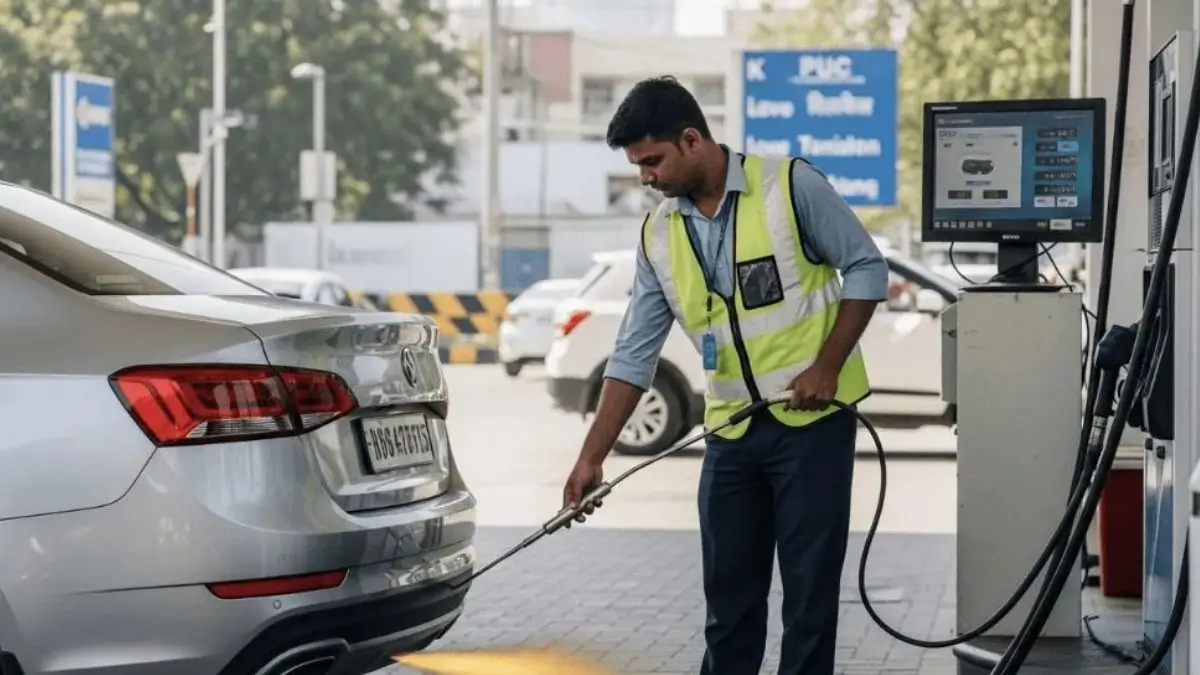
The Ministry of Road Transport and Highways has made changes to PUC certificate validity. New BS-VI non-transport vehicles may be issued a PUC certificate valid for 3 years. Eligible BS-VI transport vehicles may be given a PUC certificate valid for 2 years. In addition to the changes in PUC certificate validity for new vehicles, older vehicles may have a reduced re-validation period. Different validity periods have been specified for vehicles complying with BS-I to BS-IV standards. These changes in PUC certificate validity have been notified via G.S.R. 991(E) on 13 th November, 2026. These changes have become effective after publishing in the Official Gazette.

Changes in PUC Certificate Validity

Rule 115(7) in the Central Motor Vehicles Rules, 1989 has been amended. The period for re-validating a vehicle’s PUC certificate depends on,

  • The emission standard it complies with (Bharat Stage)
  • Whether it is a transport or non-transport vehicle
  • The age of the vehicle since its initial registration

New PUC Certificate Validity Periods

PUC certificate validity periods are as follows,

Category of vehicle Age since initial registration PUC Certificate Validity
BS-I, II, III All ages 3 Months
BS-IV All ages 6 Months
BS-VI non-transport 6 Years or below 3 Years
BS-VI non-transport Over 6 years, up to 10 years 1 Year
BS-VI non-transport Over 10 years 6 Months
BS-VI transport 6 Years or below 2 Years
BS-VI transport Over 6 years, up to 10 years 1 Year
BS-VI transport Over 10 years 6 Months

Changes in PUC Certificate Validity for BS-VI Non-Transport Vehicles

The changes primarily affect BS-VI non-transport vehicles, which include BS-VI private vehicles and two-wheelers.

Under these changes,

  • vehicles aged 6 years or under will be given a 3 year PUC certificate.
  • vehicles aged between 6 and 10 years will be required to re-validate every year.
  • vehicles older than 10 years will be required to re-validate every 6 months.

Thus, owners of newer BS-VI private vehicles will be required to re-validate their PUC certificates less often.

Changes in PUC Certificate Validity for BS-VI Transport Vehicles

There are age based changes to PUC certificate validity for BS-VI transport vehicles.

Age of vehicle New PUC Validity
Up to 6 years 2 years
Over 6 years to 10 years 1 year
Over 10 years 6 Months

Compared with non-transport vehicles, transport vehicles of the same age are given a shorter validity period. A BS-VI transport vehicle aged 6 years or under will be given a 2 year PUC certificate, whereas non-transport vehicles of the same age would be given a 3 year PUC certificate.

PUC Certificate Validity for BS-I, BS-II, BS-III and BS-IV Vehicles

Vehicles complying with older emission standards may be given the following PUC certificate validity periods.

  • BS-I, II, and III: 3 Months.
  • BS-IV: 6 Months.

These validity periods apply regardless of whether the vehicle is a transport or non-transport vehicle.

Existing PUC Certificates

With these changes in place, existing PUC certificates will not be automatically updated.

Instead,

  • Existing PUC certificates will remain valid for the duration originally given.
  • However, when re-validating the certificate for the first time after these changes in validity periods, the new validity period will come into effect.
  • Owners of vehicles will not be required to obtain a new PUC certificate immediately.

This means that people holding existing PUC certificates can be given the new renewal requirements at their next renewal.

Validity Date of Renewed PUC Certificates

It has also been specified what date renewed PUC certificates will be valid from.

Renewal Situation Validity Date
Renewed within 10 days before expiry of existing certificate. Same as date of existing expiry.
Renewed after expiry of existing certificate. Date of renewal.

For example, if a certificate is due to expire on 30th November, and the certificate is renewed within 10 days of this date, the renewed certificate will be valid from 30th November.

If the certificate is renewed after 30th November, the renewed certificate will be valid from the date of renewal.

PUC Certificate

  • A PUC certificate confirms that a vehicle has passed an emissions test, and conforms to required emission standards.
  • During this test, the amount of pollutants emitted by a vehicle’s exhaust is measured. This enables monitoring of emissions of vehicles in India.
  • The Central Motor Vehicles Rules require vehicle owners to have a valid PUC certificate from a recognised authority within their respective states. If requested to do so by an authorised officer, vehicle owners must show their certificate.

Bharat Stage Emissions Standards

Bharat Stage Emissions Standards are standards set by the Government of India to reduce air pollution from vehicles.

They set limits on carbon monoxide, hydrocarbons, nitrogen oxides and particulate matter emissions.

Emission Standard Importance
BS-I Initial Bharat Stage emissions standards.
BS-II Stricter emissions standards for vehicles.
BS-III Further reduction in permitted emissions.
BS-IV Stricter emissions limits.
BS-VI Advanced emissions standards, much stricter emissions limits.

India implemented BS-VI emissions standards in April 2020, having jumped from BS-IV to BS-VI. BS-V standards were not implemented across the country.

Reasons for Changes to PUC Certificate Validity

As stated by the Ministry of Road Transport and Highways, these changes mean that vehicles may be tested for emissions more or less frequently depending on their age and emissions standard. Key reasons for these changes include,

  • Making compliance easier – Newer and less polluting vehicles are given a longer validity period.
  • Older vehicles are monitored more frequently – Older vehicles are given a shorter validity period.
  • Different validity periods for transport and non-transport vehicles.
  • Older vehicles and vehicles with older emissions standards will continue to be monitored.

These changes intend to make it easy for vehicle owners to comply with rules, whilst ensuring vehicle emissions are still closely monitored.

The-Hindu-October-2026-Current-Affairs-Cover

Monthly Current Affairs

November 2026
M T W T F S S
 1
2345678
9101112131415
16171819202122
23242526272829
30