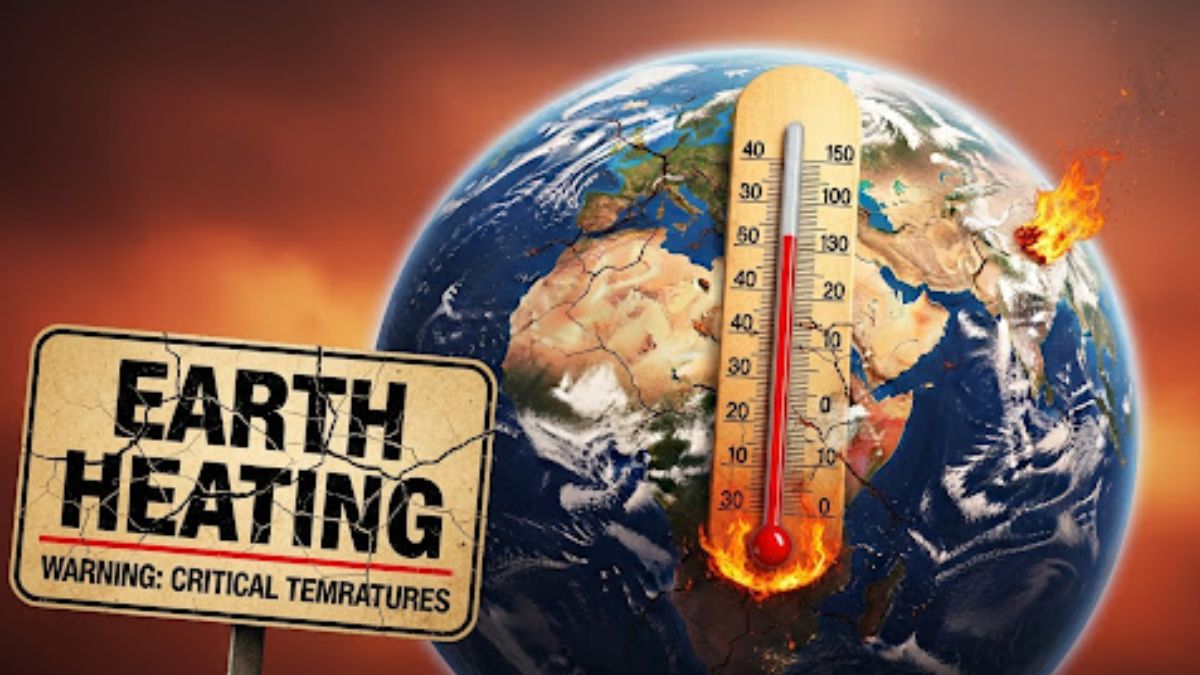
The World Meteorological Organization (WMO) has issued a stark warning that extreme heat is impacting millions of people worldwide, with rising temperatures, prolonged heatwaves, and worsening air quality creating severe public health risks. The organisation is urging countries to implement early warning systems and heat-health action plans to mitigate the effects of this growing climate threat.
Global Heatwave Crisis
- According to WMO data, heatwaves are becoming more frequent, intense, and prolonged, with record-breaking temperatures being recorded in multiple regions.
- Europe: Sweden and Finland faced unusually long spells of temperatures above 30°C in July.
- West Asia & Central Asia: Maximum temperatures exceeded 42°C in several countries.
- North Africa & Southern Pakistan: Prolonged periods of extreme heat were reported.
- United States: Southwestern states endured dangerous heat levels.
- Iran & Iraq: Southwestern Iran and eastern Iraq recorded some of the highest global temperatures this year.
Impact Beyond the Heat
The WMO also reported that the average global sea surface temperature reached the third highest level on record, contributing to shifting weather patterns and intensifying heat events.
Extreme heat has also,
- Triggered devastating wildfires, leading to loss of life and property.
- Worsened air quality, increasing respiratory health risks.
- Stressed water and power supplies, particularly in vulnerable regions.
Urgent Need for Preparedness
The WMO emphasises that heatwaves are now among the deadliest weather-related disasters, yet they are also predictable and preventable in terms of loss of life. Effective early warning systems, coupled with heat-health action plans, can protect vulnerable populations such as the elderly, children, outdoor workers, and those with pre-existing health conditions.
Dr. Petteri Taalas, WMO Secretary-General, has previously stated that climate change is turning up the heat on extreme weather, making preparedness and resilience more crucial than ever.








 BRICS Summit 2026: India Invites Banglad...
 Spain Declares National Emergency as Wil...
 France Passes Law Banning Social Media f...