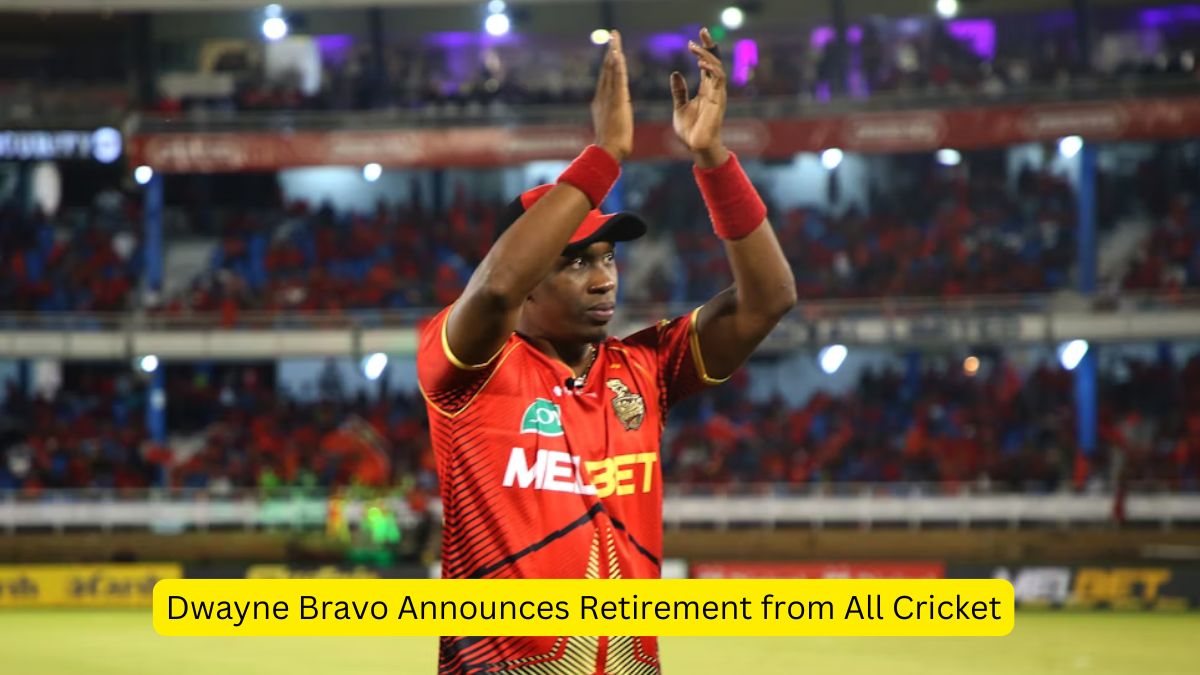
Dwayne Bravo has confirmed his retirement from all cricket after his final season in the CPL (Caribbean Premier League) was cut short by injury. The West Indies maestro will take up a new role as Mentor in franchise cricket.
Injury Issue
- Bravo sustained a groin injury during the Tobago Knight Riders match against the St Lucia Kings in Tarouba on Tuesday while attempting to catch St Lucia captain Faf du Plessis in the seventh over.
- Immediately pulling up in pain, Bravo left the field and didn’t bowl a single over.
Bravo’s Heartfelt Message
Dream of Cricket Journey
- Dear Cricket, today is the day I say goodbye to the game that has given me everything.
- From the age of five, I knew this was what I wanted to do- this was the sport I was destined to play.
- I had no interest in anything else, and dedicated my entire life to you.
Applaud Cricket’s Contribution
- In return, you gave me the life I dreamed of for myself and my family. For that, I can’t thank you enough.
- Twenty-one years as a professional cricketer – it’s been an incredible journey, filled with many highs and a few lows.
- Most importantly, I was able to live my dream because I gave you 100 (per cent) at every step. As much as I’d love to continue this relationship, it’s time to face reality.
- My mind wants to keep going, but my body can no longer endure the pain, the breakdowns, and the strain.
- I can’t put myself in a position where I might let down my teammates, my fans, or the teams I represent.
Achievements
- In an 18-year career, Bravo set the benchmark in T20 cricket, winning titles at the IPL (Indian Premier League) , PSL (Pakistan Premier League) and Big Bash.
- Two-time world champion with the West Indies at the T20 World Cup in 2012 and 2016.
- He finishes with 631 wickets in the format from 582 appearances – second only to compatriot Kieron Pollard.
Phase of Retirement
- Earlier Bravo retired from Test cricket on January 31, 2015.
- Bravo announced his retirement from international cricket in all formats in October 2018, but came out of retirement in December 2019 to prepare for the 2020 T20 World Cup.
- Bravo played his last T20I match against Australia on November 6, 2021, and retired from international cricket that day.
Future Plan
- Dwayne Bravo has been appointed as a Mentor of Kolkata Knight Riders in IPl from the 2025 season.
- His appointment fills the gap of Gautam Gambhir who was selected for Indian Men’s Team coach after Rahul Dravid completes his tenure.
- It will be a new role for Bravo, earlier he had also joined Chennai Super Kings as a bowling coach of the team in 2022 and 2023.









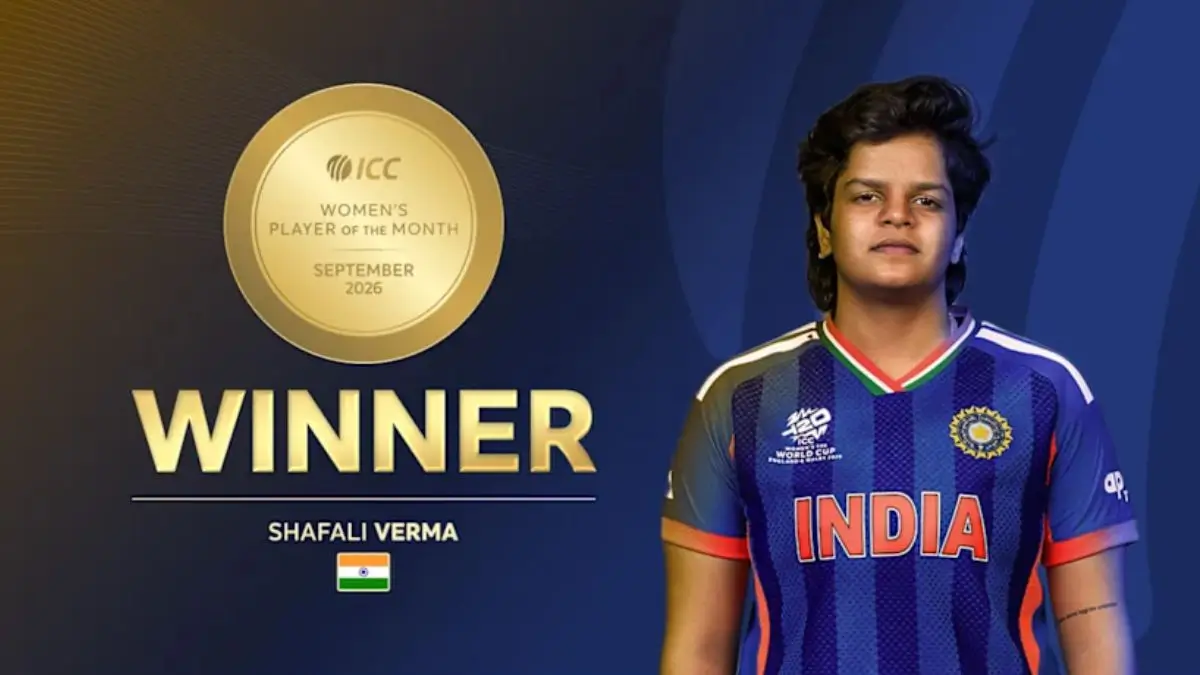 Shafali Verma Wins ICC Women’s Player ...
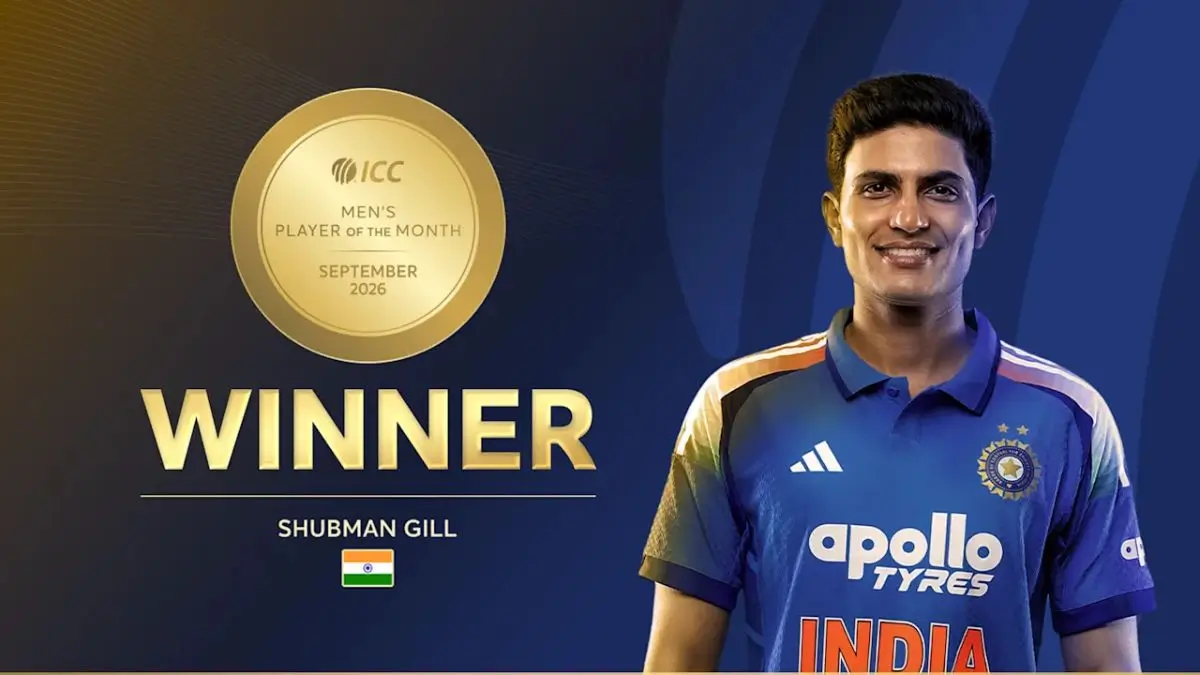 ICC Player of the Month: Shubman Gill Se...
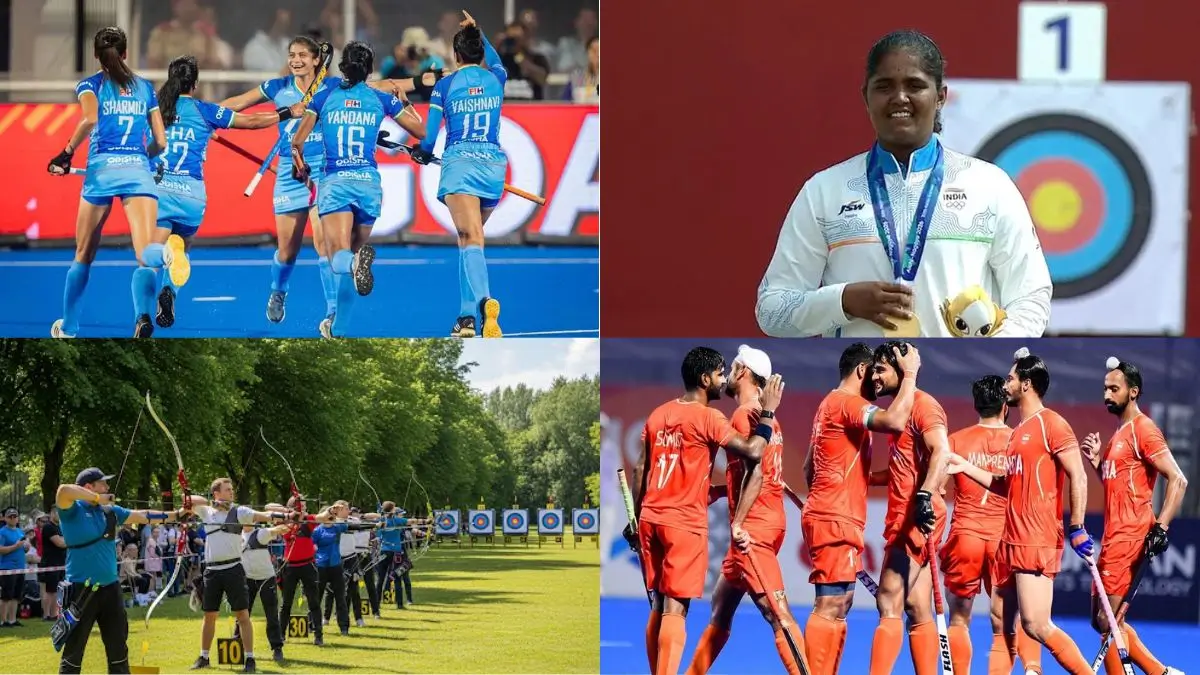 Asian Games to LA28: Which Sports Earned...