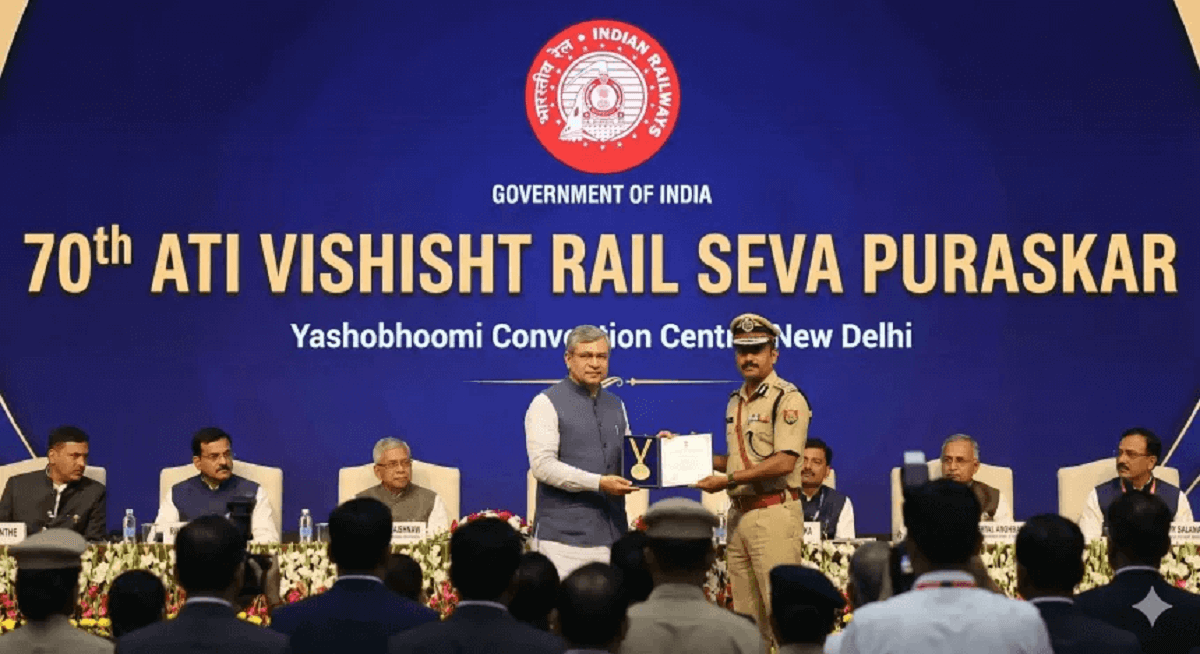
Indian Railways will confer the 70th Ati Vishisht Rail Seva Puraskar–2025 on 100 officers and employees in recognition of their exceptional service and outstanding contributions. The award ceremony will be held on January 9 at Yashobhoomi Convention Centre in New Delhi. Union Minister Ashwini Vaishnaw will present the awards to honour individuals whose work has significantly strengthened railway operations, safety, and public service delivery across the country.
Why These Awards Matter?
The Ati Vishisht Rail Seva Puraskar is one of the highest service awards of Indian Railways. These awards recognize:
- Innovation – Process improvements and productivity enhancement
- Courage and Selflessness – Protection of passengers and railway property
- Operational Excellence – Safety, maintenance, and infrastructure protection
- Institutional Excellence – Best-performing Railway Zones
- Exemplary Service – Outstanding contributions across diverse areas
Award Categories and Recognition
100 Awardees Selected:
- 17 Officers – Innovation and process improvements
- 22 Personnel – Exceptional courage and selfless service
- 14 Officers – Revenue augmentation and vigilance efforts
- 19 Employees – Operational excellence and safety
- 16 Awardees – Major projects completed on record timelines
- 10 Personnel – Outstanding diverse functional performance
- 2 Sportspersons – National and international sporting achievements
26 Shields presented to best-performing Railway Zones across various categories.
Special Achievements Recognized
The awards acknowledge personnel who:
- Ensured safe operations during Mahakumbh event
- Maintained critical services during Operation Sindoor
- Introduced Ballast Cleaning Machines on challenging track sections
- Improved track safety and ride quality significantly
- Contributed to long-term maintenance efficiency
- Curbed ticketless travel and theft
- Expanded railway infrastructure and network capacity
Event Details
Award Ceremony:
- Date: January 9, 2025
- Venue: Yashobhoomi (India’s largest convention and exhibition centre), New Delhi
- Presiding: Union Minister Ashwini Vaishnaw (Railways, Information & Broadcasting, Electronics & IT)
Distinguished Guests:
- Ministers of State: V. Somanna and Ravneet Singh
- Railway Board Chairman and CEO: Satish Kumar
- Railway Board Members
- General Managers of Railway Zones and Production Units






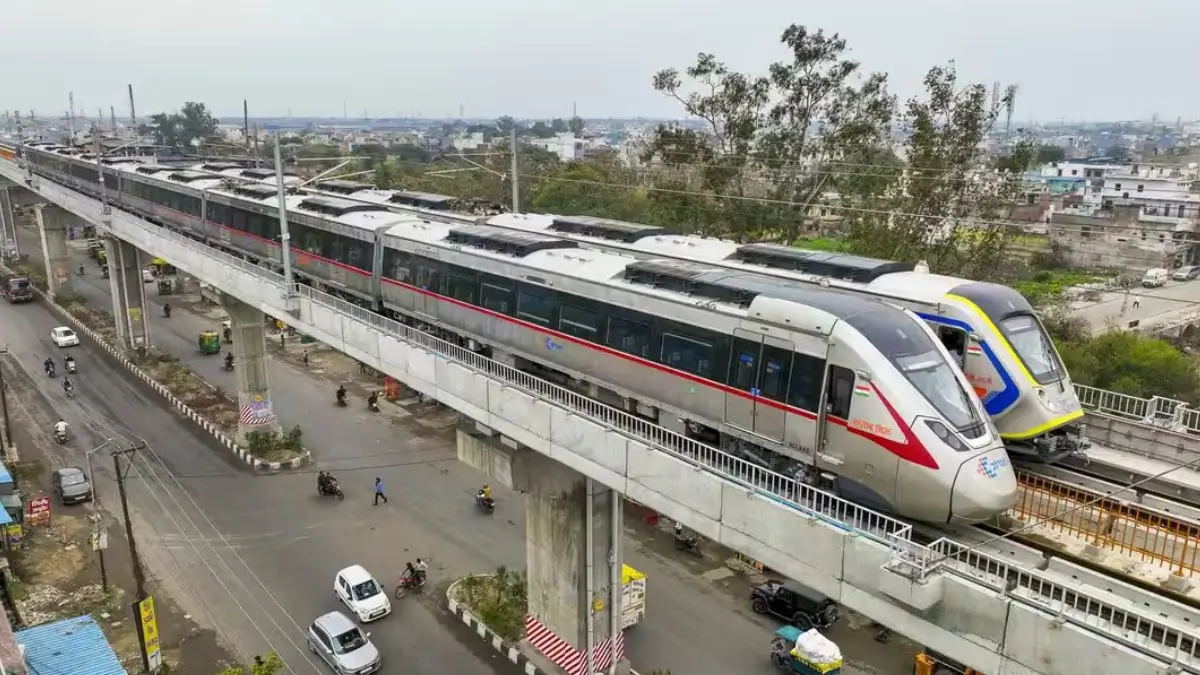 Delhi-Meerut Namo Bharat Corridor Wins B...
 Shabari Naturals Wins G-Mark Global Desi...
 Lionel Messi Recognized With 2026 Prince...