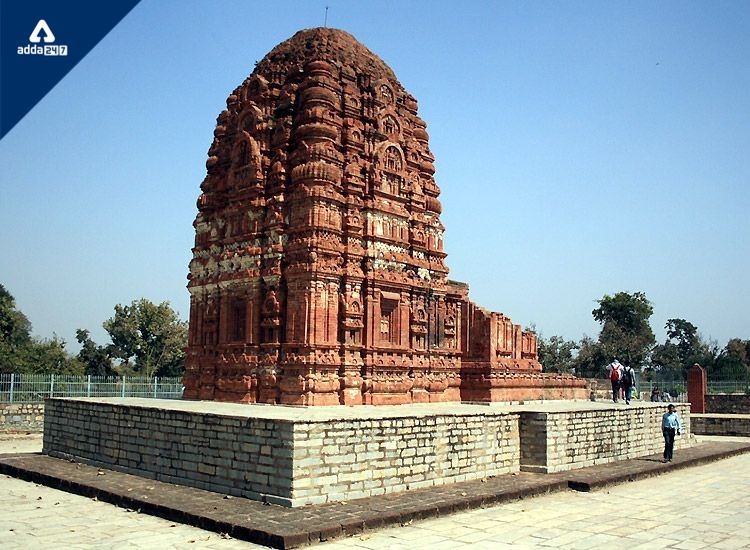
Chhattisgarh: About
Chhattisgarh is located in east-central India. It shares its borders with seven states; Madhya Pradesh, Maharashtra, Uttar Pradesh, Jharkhand, Andhra Pradesh, Telangana, and Odisha. Chhattisgarh is the ninth largest state by area in India and it ranks as the seventeenth most populous state in the country. The capital of Chhattisgarh is Raipur. This state is known as the fastest developing state in India. It is the third largest coal reserve in the country and provides electricity, steel, and coal to almost the rest of the nation. This state covers over 40% of the forests and ranks as the third largest forest cover in India.
Countries Capital and Currencies
Chhattisgarh: History
- Ancient history of Chhattisgarh suggests during the Maurya period of the 3rd century BCE, the Sitabega caves are one of the earliest examples of theatre architecture in India located on Ramgarh hill of Chhattisgarh.
- This region was also known as Dakshina Kosala and it was also mentioned in Ramayana and Mahabharata.
- This region was ruled by Sharabhpurias, Panduvanshis, Somavanshi, Kalachuri, and Nagavanshi. Rajendra Chola I and Kulothunga Chola I of the Chola Dynasty invaded the Bastar region of Chhattisgarh in the 11th century.
- During the Colonial period of India, Chhattisgarh was under Maratha’s rule from 1741-1845 CE.
- The Chhattisgarh Division came under British rule from 1845-1947. In 1845, Raipur gained prominence over the capital Ratanpur with the advent of the British.
- The area constituting the new stats merged into Madhya Pradesh on 1st November 1956. The demand for Chhattisgarh to be a separate state rose in the 1920s.
- During the 1990s the demand became very prominent for Chhattisgarh to be separated from Madhya Pradesh and a state-wide political forum was founded known as Chhattisgarh Rajya Nirman Manch.
- The Chhattisgarh bill was approved by Lok Sabha and Rajya Sabha, which allowed the separation of Chhattisgarh from Madhya Pradesh.
Chhattisgarh: Things you need to know
- The capital of Chhattisgarh is Raipur.
- The Chief minister of Chhattisgarh is Bhupesh Bahgel and the Governor is Sushri Anusuiya Uikey.
- The largest city of Chhattisgarh in Raipur.
- The area covered by Chhattisgarh is about 1,35,192 sq km.
- The official language in Chhattisgarh is Hindi.
- There are 27 districts in Chhattisgarh.
Chhattisgarh: Geographical Facts
- The central part of the state is fertile plains. The northern and southern part of the state is hilly.
- The forests cover about 44% of the state with deciduous forests.
- The state animal of Chhattisgarh is Van Bhainsa or Wild Asian Buffalo, the state bird is Hill Myna and the state tree is Sal or Sarai which is found in the Bastar region.
- Climate of this state is tropical. It gets hot and humid during the summers and depends on the monsoon for rains.
- In summer temperature can go up to 49°C and the annual rainfall received in this area is about 50.9 inches.
Buy Prime Test Series for all Banking, SSC, Insurance & other exams









 Asian Games 2026 Day 2: India’s Medal ...
 Savita Punia Becomes India’s Most-Capp...
 Gwalior to Get Asia’s First Telecom Ma...