
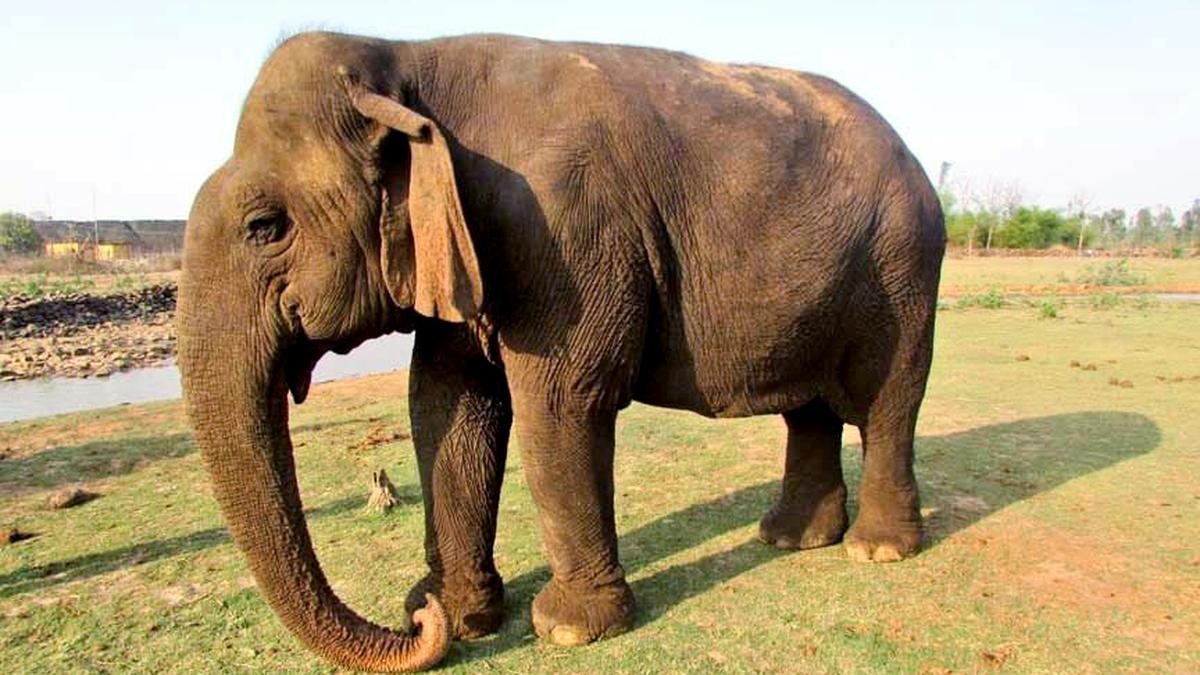
In a deeply emotional moment for wildlife lovers, forest officials, and citizens across India, Vatsala, Asia’s oldest living elephant, breathed her last on Tuesday, July 8, 2025, at the Panna Tiger Reserve in Madhya Pradesh. She was believed to be over 100 years old, a rare and exceptional lifespan for an Asian elephant.
Her passing marks the end of an era—a life that spanned generations and symbolized the delicate harmony between humans and wildlife.
A Journey from Kerala to Madhya Pradesh
Born in the Nilambur forests of Kerala, Vatsala began her life as a working elephant in the timber trade. In 1971, she was relocated to Hoshangabad, Madhya Pradesh, and finally brought to Panna Tiger Reserve in 1993. There, she became an indispensable part of the forest patrol, especially known for helping track tigers.
Even after her official retirement in 2003, her contribution to wildlife conservation continued. She took on a nurturing role, acting as a caretaker, mentor, and midwife to younger elephants—guiding them, protecting them, and helping them grow. Vatsala’s long and remarkable life began in Kerala, from where she was later relocated to Narmadapuram and ultimately to the Panna Tiger Reserve. Over the years, she became an iconic presence at the reserve, capturing the hearts of tourists, forest staff, and wildlife conservationists alike.
Panna National Park, Madhya Pradesh
- Altitude: 211m – 540m above sea level
- Temperature Range: 15°C to 40°C
- Core Area: 576 sq. km
- Buffer Area: 1,022 sq. km
- Main Rivers: Ken and Betwa
- Type of Forest: Tropical and Subtropical Dry Broadleaf Forests
Introduction to Panna National Park
Located in the Panna and Chhatarpur districts of Madhya Pradesh, Panna National Park is one of India’s most iconic tiger reserves and biodiversity hotspots. Declared the 22nd Tiger Reserve of India and sixth in Madhya Pradesh, it spans across the Ken River Valley, offering a unique blend of scenic beauty, historical richness, and abundant wildlife.
Just 57 km from Khajuraho, a UNESCO World Heritage Site, Panna offers not just wilderness but also access to cultural and archaeological wonders.
A Landmark in Tiger Conservation
Panna made international headlines when it lost all its tigers to poaching between 2006 and 2008. But in a historic conservation milestone, tiger reintroduction began in 2009 under the leadership of then Field Director R. Sreenivasa Murthy. With the relocation of three tigers from nearby reserves, the population began to rebound. As of recent estimates:
- Tiger population: Over 55 tigers, including cubs
- One of India’s most successful tiger recovery stories
This turnaround earned Panna Tiger Reserve the Award of Excellence in 2007 from the Ministry of Tourism, India.
Flora of Panna National Park
The reserve is dominated by dry deciduous forests, ideal for wildlife habitat due to its Vindhyan terrain and arid climate. Prominent vegetation types include:
- Dry teak forests and mixed woodlands
- Grassland patches and riverine habitats
- Thorny forests and open woodlands
Common Tree Species:
- Tectona grandis (Teak)
- Diospyros melanoxylon (Tendu)
- Madhuca indica (Mahua)
- Anogeissus latifolia
- Boswellia serrata (Salai)
- Buchanania lanzan (Chironji)
Fauna of Panna National Park
Panna is celebrated for its thriving wildlife ecosystem, supporting a diverse range of fauna:
Large Mammals:
- Royal Bengal Tigers (Panthera tigris)
- Leopards (Panthera pardus)
- Sloth Bears, Wolves, Wild Dogs, Caracals, and Hyenas
Herbivores:
- Cheetals (Spotted Deer)
- Sambhar Deer
- Chinkaras
- Nilgai
- Four-Horned Antelope
Birds & Reptiles:
- 300+ species of birds, including vultures and waterfowl
- Mugger Crocodiles and Gharials found in the Ken River
Conservation and Recognition
- Declared a Project Tiger Reserve in 1994
- Recognized for community-based eco-tourism and habitat restoration
- UNESCO Global Geopark nomination in progress due to geological features
Location and How to Reach
- Nearest Airport: Khajuraho (approx. 40 km)
- Nearest Railway Station: Satna or Jhansi
- By Road: Well-connected from Bhopal, Jabalpur, and Jhansa


 Bengali Actor Rahul Arunoday Banerjee Di...
 Who Was Vijaypat Singhania? Raymond’s Fo...
 E A Rajendran Passed Away at 71: Remembe...











