
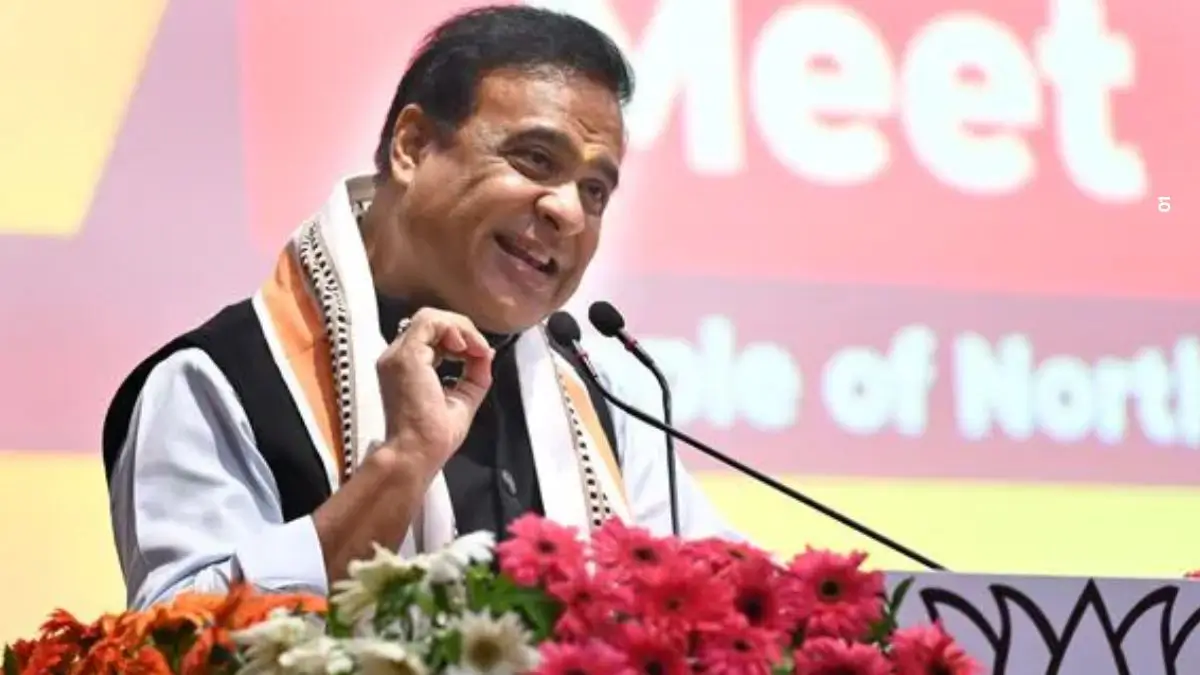
Assam cabinet decision 2026 brought two major announcements ahead of Assembly elections. The cabinet approved 3% reservation for tea tribes and Adivasi communities in Class I and Class II state government jobs within the OBC quota. Chief Minister Himanta Biswa Sarma also announced expansion of the MMUA scheme, adding over 1 lakh new women beneficiaries. So far, 32 lakh women have received ₹10,000 each under the scheme. The decisions are seen as significant political and social measures before the 2026 elections.
Reservation of 3% for Tea Tribes and Adivasis in Assam
- The Assam cabinet decision 2026 introduces 3% reservation for tea tribes and Adivasi communities in Class I and Class II government jobs.
- Earlier, reservation benefits were limited to Grade III and Grade IV posts. Now, the quota will apply to higher-level posts such as state civil services and professors.
- Chief Minister Himanta Biswa Sarma stated that the new rule will apply immediately to upcoming job advertisements and from next year for other categories. T
- his Adivasi reservation Assam move aims to improve representation in administrative and academic positions.
MMUA Scheme Assam Expanded for 1 Lakh More Women
- The MMUA (Mukhyamantri Mahila Udyamita Abhiyaan) scheme Assam has been expanded to include 1,07,532 additional Self-Help Group members.
- Under this scheme, 32 lakh women have already received ₹10,000 each to promote entrepreneurship and financial independence.
- The Assam cabinet decision 2026 ensures that no eligible beneficiary is left out.
- The scheme focuses on women from minority and underprivileged areas.
- By strengthening SHGs, the government aims to encourage small business activities and improve rural income generation.
Background: Tea Tribes and Adivasi Communities in Assam
- Tea tribes and Adivasis in Assam largely trace their roots to central Indian tribal communities brought during the colonial period to work in tea plantations.
- They form a substantial part of Assam’s workforce and rural population.
- Despite their contribution to the tea economy, socio-economic indicators show gaps in education and employment access.
- The 3% reservation tea tribes policy seeks to improve opportunities in higher administrative posts and enhance social mobility for these communities.
Question
Q. Assam Cabinet approved 3% reservation for tea tribes and Adivasis in which category of jobs?
A) Only Grade IV
B) Only central services
C) Class I and II state government jobs
D) Private sector jobs


 Nitish Kumar to Take Rajya Sabha Oath on...
 Ashwini Bhide Becomes First Woman BMC Co...
 Lok Sabha Passed Resolution For Amravati...











