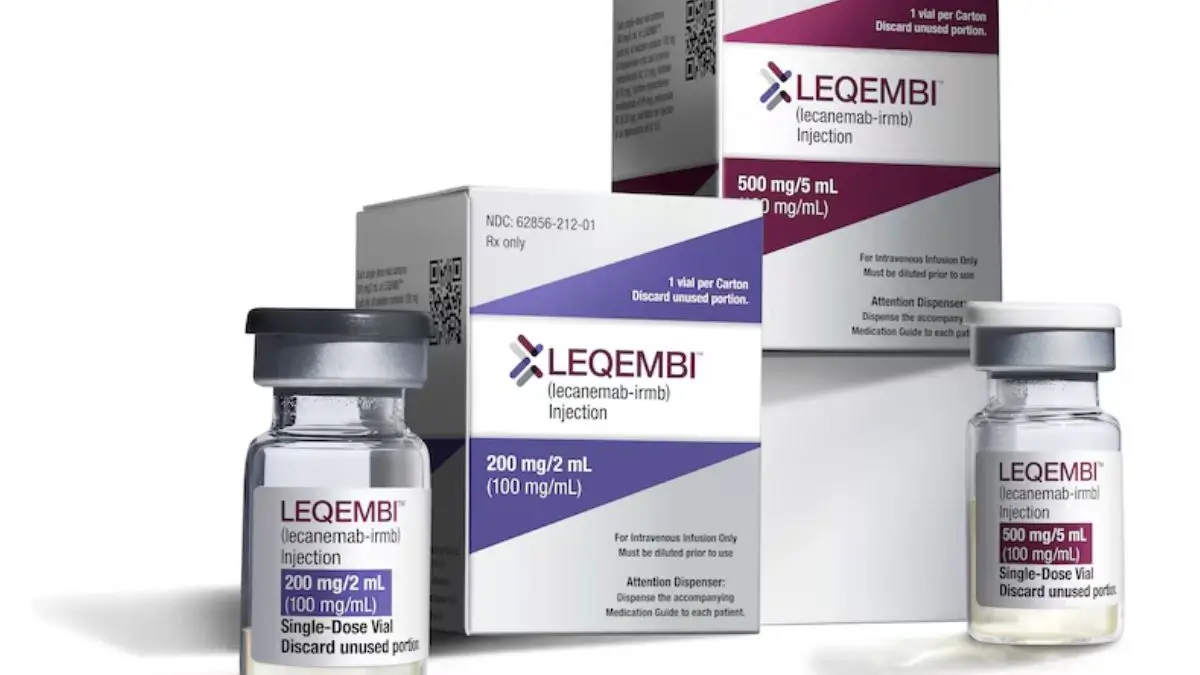
In a breakthrough for dementia care, Australia’s Therapeutic Goods Administration (TGA) has approved Lecanemab (marketed as Leqembi) for treating early-stage Alzheimer’s disease. This makes it only the second disease-modifying therapy to receive regulatory clearance in Australia. The decision, finalized in September 2025, comes amid rising Alzheimer’s prevalence—now the leading cause of death in the country. While Lecanemab offers hope to patients in early stages, it also raises critical questions about cost, accessibility, and safety.
How Lecanemab Works
- Lecanemab is a monoclonal antibody therapy that targets amyloid-beta plaques, a hallmark of Alzheimer’s disease.
- These plaques form when abnormal protein builds up between brain cells, disrupting communication and function.
- By attaching to soluble amyloid protofibrils, Lecanemab prompts the immune system to clear them, aiming to slow the disease’s progression—especially in patients with mild cognitive impairment or mild Alzheimer’s dementia.
Clinical Results and Effectiveness
Lecanemab’s effectiveness was proven in a large 18-month phase 3 clinical trial involving 1,795 participants. It showed,
- 27–30% slower cognitive decline compared to placebo
- An average delay of about five to six months in disease progression
- Sustained amyloid plaque reduction on brain imaging
However, the drug does not reverse symptoms or halt the disease entirely. Its primary value lies in slowing memory loss when used at the earliest stages.
Safety Concerns and MRI Monitoring
The approval comes with strict safety protocols due to risks of brain swelling (ARIA-E) and microhemorrhages (ARIA-H),
- 12.6% of patients experienced brain swelling
- In those with two copies of the APOE ε4 gene, the risk jumped to 32.6%
- Side effects include headaches, dizziness, blurred vision, and in rare cases, serious brain bleeds
- Patients must undergo MRI scans every three months to monitor brain health
As a result, the TGA limited approval to patients who are non-carriers or heterozygotes of the APOE ε4 gene, due to increased complications in homozygotes.
Cost and Accessibility in Australia
Lecanemab’s price poses a major barrier to wide access,
- Cost: Approximately A$40,000 per year
- Additional expenses: Frequent MRI scans, doctor visits, and infusion fees
- Not yet subsidised under the Pharmaceutical Benefits Scheme (PBS)
- PBS coverage is pending review by the Pharmaceutical Benefits Advisory Committee (PBAC)
- As of now, treatment will likely remain available only in select memory clinics and specialist centres.
Who Can Benefit?
Lecanemab is indicated only for,
- Patients with early-stage Alzheimer’s (mild cognitive impairment or mild dementia)
- Individuals with confirmed amyloid plaques via PET scans or CSF testing
- Non-carriers or heterozygotes for the APOE ε4 gene
It is not recommended for,
- Patients with advanced Alzheimer’s
- Other forms of dementia like vascular or Lewy body dementia
- Those on blood thinners with bleeding risks
- Early diagnosis is crucial, making memory screening and genetic testing essential for identifying eligible patients.


 New COVID Variant BA.3.2: Symptoms, Risk...
 NASA’s Artemis 2 Set for April 2026 Laun...
 Akasha300 3D Printer Explained: How It W...