
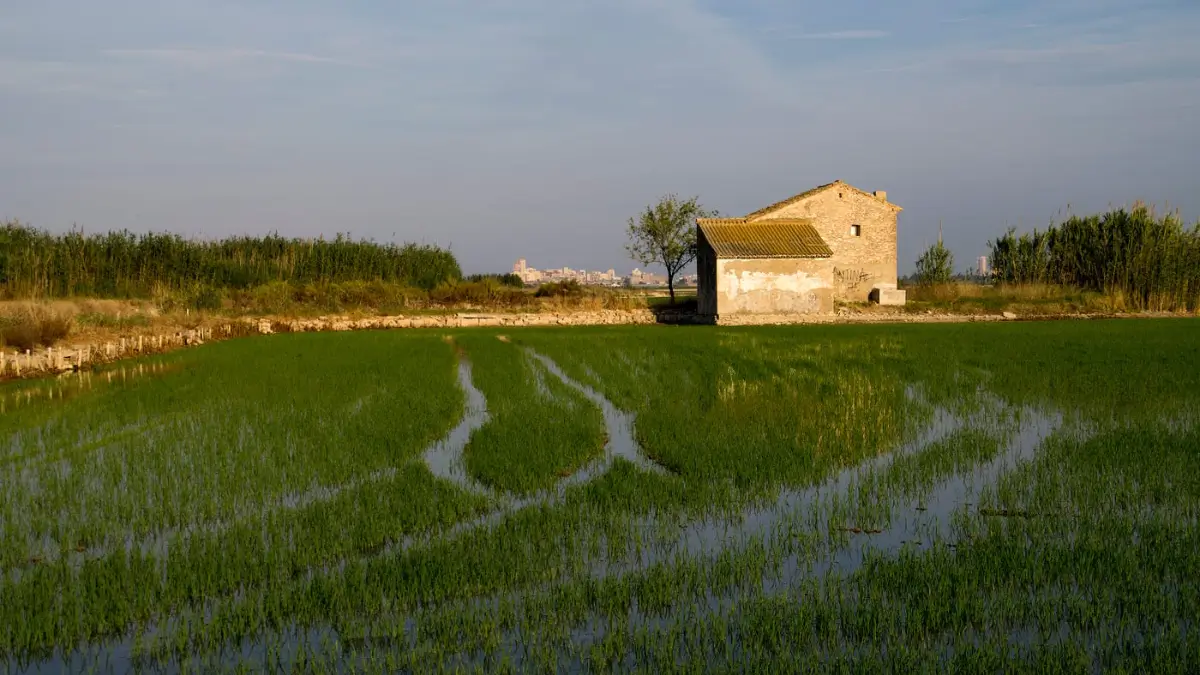
Did you know that one country in the world is so closely connected with rice that it is often called the “Land of Rice”? Rice is not just a crop there; it is a part of daily life, culture, and tradition. From breakfast to dinner, rice dishes are enjoyed in many tasty forms.
This country has vast green paddy fields that stretch as far as the eye can see. Farming rice is an important occupation for millions of people. The climate, rich soil, and plenty of rainfall make it perfect for growing this important grain.
Rice is also deeply linked with festivals, family gatherings, and national identity. Many traditional dishes are made mainly from rice, and different regions have their own special varieties and cooking styles.
Because of its huge production, strong export market, and love for rice-based food, this nation proudly carries the title “Land of Rice.” In the following section, we will discover which country holds this special name.
Which Country is known as the Land of Rice?
Thailand is known as the Land of Rice. The country has a long history of rice farming and is one of the world’s leading rice producers and exporters. Its fertile plains, especially around the Chao Phraya River basin, provide ideal conditions for paddy cultivation. Warm tropical weather and seasonal monsoon rains further support rice growth. Rice is also an important part of Thailand’s economy, culture, and daily food habits.
Where is Thailand Located?
Thailand is located in Southeast Asia. It shares borders with Myanmar, Laos, Cambodia, and Malaysia. The country has wide fertile plains and several major rivers that help in farming.
One of the most important farming regions is the basin of the Chao Phraya River. This river system provides water and fertile soil, making it perfect for growing paddy crops.
Why is Thailand known as the Land of Rice?
Thailand is called the Land of Rice for several strong reasons:
- Vast Paddy Fields: Large parts of the country are covered with green rice fields. These fields stretch across central and northern regions, producing huge quantities of rice every year.
- Ideal Climate: Thailand has a tropical climate with warm temperatures and seasonal monsoon rains. Rice needs heat and plenty of water, and Thailand provides both naturally.
- Strong Global Exports: Thailand is one of the world’s leading rice exporters. For decades, it has supplied rice to many countries around the globe, building a strong reputation in international markets.
Climate and Soil Conditions for Rice Farming
Rice grows best in warm, wet environments. Thailand’s natural conditions make it highly suitable for cultivation.
- Warm Weather: The country stays warm throughout the year.
- Monsoon Rainfall: Seasonal rains provide natural irrigation.
- Fertile Alluvial Soil: River plains are rich in nutrients that support healthy crop growth.
These factors help farmers achieve high yields.
Importance of Rice in Thailand’s Economy
Rice is not just a crop in Thailand — it is the backbone of rural life.
- Millions of farmers depend on rice farming for income.
- Rice exports bring valuable foreign exchange to the country.
- It plays a key role in national food security.
Agriculture remains a major sector of Thailand’s economy, and rice contributes significantly to it.
Largest Producer of Rice in the World
While Thailand is a major exporter, the largest producer of rice globally is China.
China produces the highest quantity of rice due to:
- Extensive paddy fields
- Advanced irrigation systems
- Large population and strong domestic demand
Major rice-growing regions along the Yangtze River basin support continuous large-scale production.
Interesting Facts About the Land of Rice
- Deep Cultural Connection: Rice is deeply connected to Thai traditions, festivals, and daily meals. It is an essential part of almost every dish.
- Multiple Rice Varieties: Thailand grows different types of rice, including white rice, sticky rice, and fragrant jasmine rice.
- Monsoon-Based Agriculture: Farmers carefully plan cultivation around seasonal rains, which are vital for crop growth.


 Who is known as the Father of Scientific...
 Which River is known as the River of Lif...
 Who is known as the King of the Deccan?











