
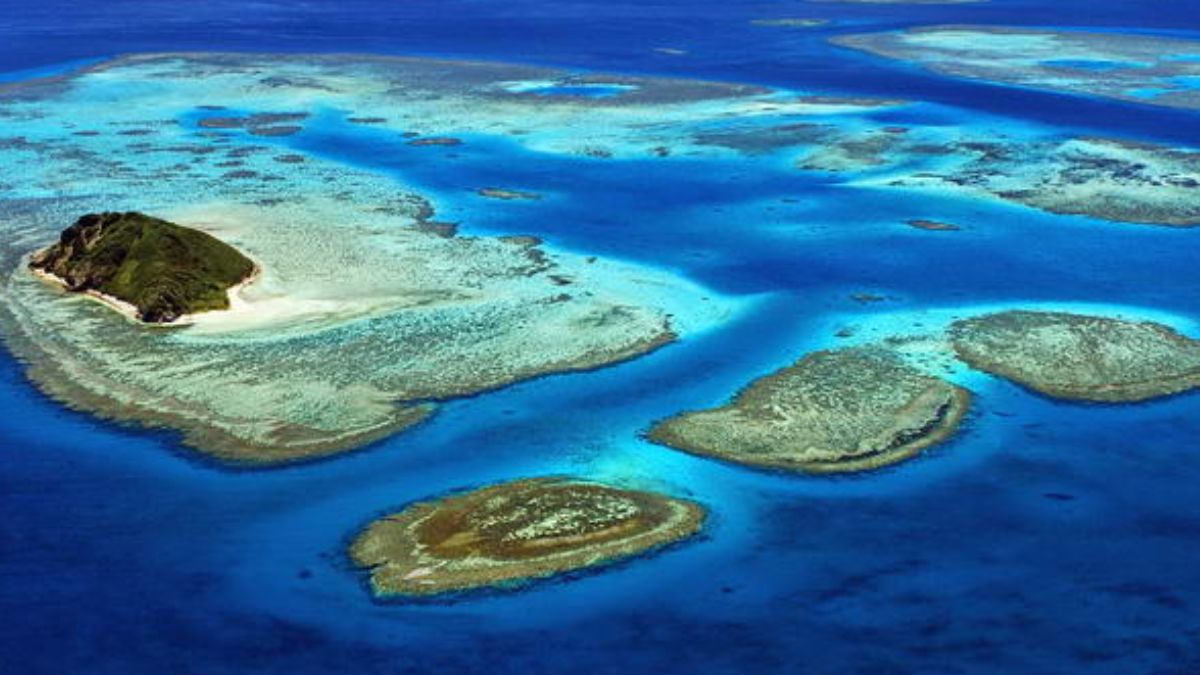
France and New Caledonia announced a new agreement that gives the Pacific territory more powers while keeping it part of France. This move comes after violent protests in 2024 and is seen as a major step to ease tensions between supporters and opponents of independence. The agreement proposes to create a “State of New Caledonia” within the French Republic.
A New State Within France
The agreement, shared by President Emmanuel Macron, will give New Caledonia a new status as a state within France. It will be included in the French Constitution, and other countries will be allowed to officially recognize the state. This is a compromise solution that offers greater autonomy without full independence.
The deal still needs approval from both the French Parliament and the people of New Caledonia through a referendum. Macron called it “a bet on trust,” showing hope that both sides—pro-independence and anti-independence—can now move forward peacefully.
Background: Protests and Tensions
In 2024, New Caledonia witnessed deadly riots over a proposed constitutional change. The change would have allowed more recent French arrivals to vote, which Indigenous Kanak groups feared would reduce their chances of achieving independence. The protests resulted in seven deaths, many injuries, and heavy economic losses.
The area is also strategically important for France, as it holds rich nickel reserves and plays a key role in the Indo-Pacific region, especially as China grows its influence.
What the Agreement Includes
The agreement would,
Create a New Caledonian nationality, in addition to French nationality.
Allow dual nationality for those living in the territory.
Grant New Caledonian nationality to French citizens living there for more than 10 years.
This clause addresses the core concern from the 2024 protests—voting rights for newcomers. It tries to protect the rights and identity of Kanak people, who make up about 40% of the population.
Past Referendums and Future Steps
New Caledonia held three independence referendums between 2018 and 2021—all voted to stay with France. However, the last vote in 2021 had low turnout due to a boycott by Kanak leaders during the COVID-19 pandemic. Since then, many Kanak groups have refused to accept the result.
The new agreement now opens the door for a fresh referendum, which may finally settle the question of the territory’s future relationship with France.


 Newcastle Disease Spread in Europe 2026:...
 Mongolia Gets New Prime Minister Amid Po...
 Myanmar Military Chief Min Aung Hlaing B...











