
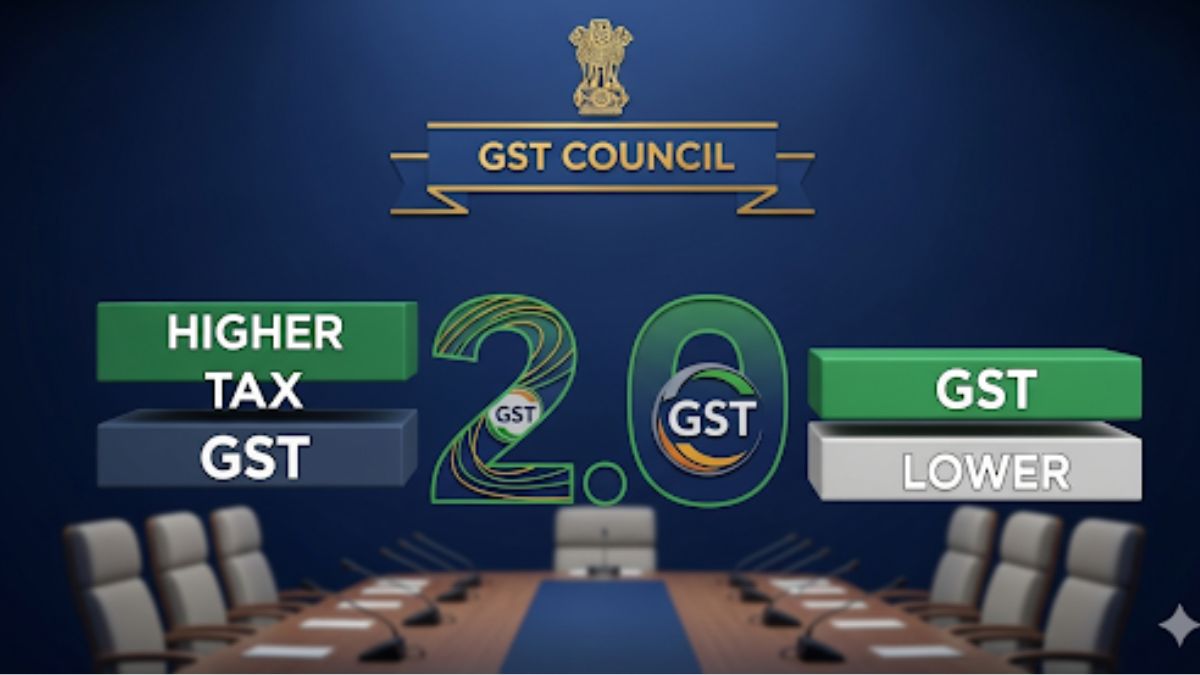
In a landmark GST reform, the GST Council has cut India’s existing four tax slabs to just two—5% and 18%. The move fulfills Prime Minister Narendra Modi’s promise of a “Diwali gift” for the middle class and aims to ease household budgets, spur consumption, and boost economic momentum. The changes, effective September 22, 2025, will make a wide range of essentials and consumer goods cheaper.
Simplified GST Structure
The Council abolished the 12% and 28% tax slabs, leaving behind only 5% and 18% slabs for most goods and services. In addition, a new 40% slab has been introduced for items considered harmful to health (such as tobacco products and sugary beverages) and for super-luxury goods like yachts and high-end motorcycles. This reform marks one of the most significant changes in the GST system since its launch in 2017.
Economic and Social Impact
Finance Minister Nirmala Sitharaman highlighted that these reforms focus on the common man’s daily needs. Lower rates on essentials and labour-intensive goods are expected to reduce household expenses, encourage spending, and support small industries. At the same time, higher rates on sin and luxury goods ensure that fiscal health is maintained while discouraging excessive consumption of non-essential items.
What Gets Cheaper
A large number of household and essential goods have shifted to the 5% slab, directly benefiting consumers,
- Food & Staples: UHT milk (exempt), butter, ghee, paneer, cheese, pasta, biscuits, chocolates, dry fruits, sugar, syrups, namkeens, edible oils.
- Healthcare: Life-saving medicines, medical devices, health products.
- Education: Books, stationery, pencils, bicycles, learning aids.
- Everyday Goods: Footwear, textiles, umbrellas, hairpins, soaps, shampoos, toothpaste.
- Consumer Durables: Air conditioners, refrigerators, TVs, and washing machines reduced to 18% (from 28%).
- Other Sectors: Renewable energy equipment, fertilisers, construction materials, toys, handicrafts cut to 5%.
What Stays Costlier
Some goods remain under higher taxation due to revenue and health considerations,
- Sin Goods: Pan masala, gutkha, tobacco, cigarettes, bidis—continue at high GST + cess.
- Sugary/Flavoured Drinks: GST raised from 28% to 40%.
- Luxury & Premium Items: Cigarettes, premium liquor, high-end cars, imported armoured sedans (except for official government use).
- Coal: Taxed at 18% (up from 5%), raising industrial costs.
- Restaurants & Services: Certain restaurant premises and intermediary services continue with revised rules.
Impact on Middle Class and Economy
- Cheaper essentials will reduce household expenditure.
- Lower GST on appliances and durables may boost demand in retail and manufacturing.
- Support for small businesses and farmers through reduced rates on fertilisers, textiles, and construction inputs.
- Policymakers expect higher consumer spending to provide a much-needed push to the economy.
Important Takeaways For Exam
- GST slabs reduced from four to two: only 5% and 18% remain.
- 12% and 28% slabs eliminated.
- Effective date: September 22, 2025.
- Exceptions: Pan masala, gutkha, cigarettes, zarda, bidis, and other tobacco products remain taxed at current high rates plus cess.


 E20 Petrol India 2026: Nationwide Rollou...
 NCERT Gets ‘Deemed University’ Status: W...
 India Ranks 3rd Globally in Renewable En...











