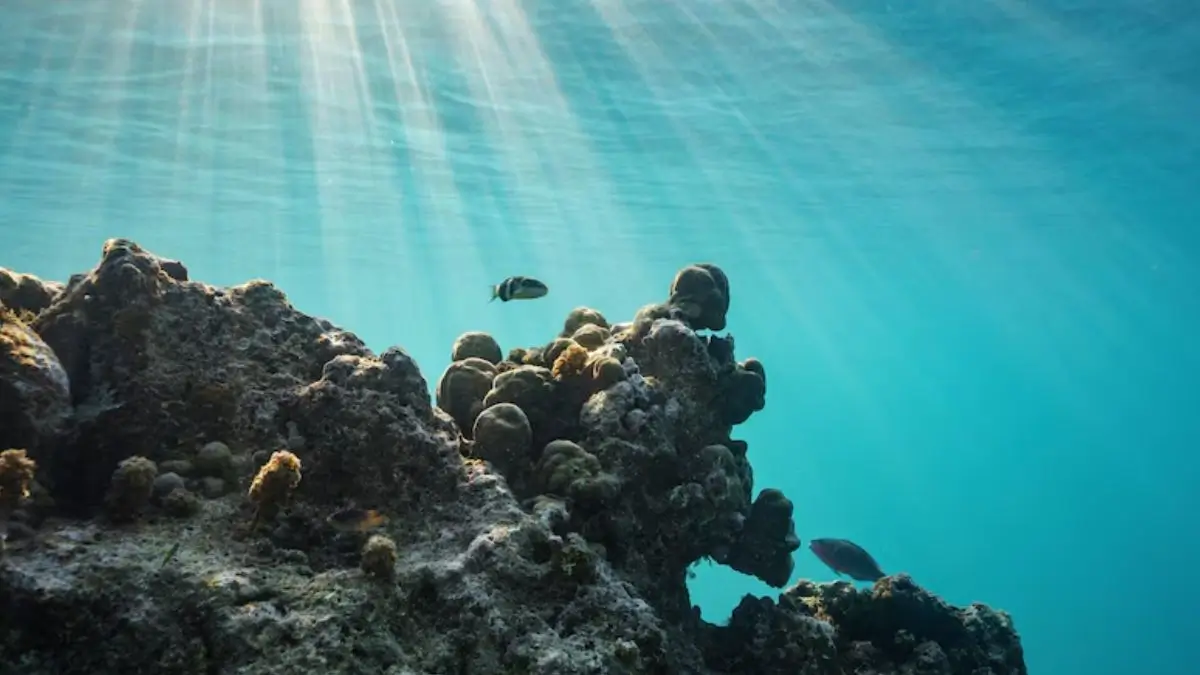
The world’s first legally binding High Seas Treaty came into effect on January 17, 2026. The agreement sets global rules to protect oceans beyond national boundaries. These international waters cover nearly half of the planet. The treaty is seen as a historic step to tackle overfishing, pollution, climate change and threats to deep-sea ecosystems.
Why in News?
The High Seas Treaty has officially entered into force after ratification by over 60 countries. It establishes global rules to conserve marine life in international waters, also known as the high seas.
What Is the High Seas Treaty?
- The High Seas Treaty is a global agreement adopted under the United Nations to protect marine biodiversity in areas beyond national jurisdiction.
- These waters lie outside the control of any single country and make up about two-thirds of the world’s oceans.
- Until now, there was no binding legal framework to conserve these areas.
- The treaty fills this gap by creating rules for conservation, sustainable use and fair sharing of marine resources, marking a major milestone in global environmental governance.
Why Are the High Seas Important?
- The high seas play a critical role in regulating Earth’s climate.
- Oceans absorb large amounts of carbon dioxide and produce oxygen, helping control global temperatures.
- However, these waters face serious threats such as overfishing, plastic pollution, destructive fishing practices, shipping emissions and potential deep-sea mining.
- Climate change has intensified these risks.
- Protecting the high seas is therefore essential not only for marine life but also for human survival and climate stability.
Key Provisions of the Treaty
- The treaty creates the first legal framework to establish Marine Protected Areas (MPAs) in international waters. Currently, only about 1% of the high seas are protected.
- Countries must now cooperate on ocean science, technology and data sharing.
- Any company planning activities that could harm marine ecosystems must conduct environmental impact assessments.
- Research on marine genetic resources, such as organisms used for medicines, must be shared openly with other nations.
Immediate Obligations for Countries
- From the day the treaty took effect, ratifying countries must begin working together to strengthen global ocean governance.
- Developing nations will receive support to build scientific and technical capacity.
- Countries are also required to promote conservation goals in other international bodies such as the International Maritime Organization and the International Seabed Authority.
- This ensures that ocean protection is mainstreamed across all maritime decision-making platforms.
Marine Protected Areas and Enforcement Challenges
- Countries can now start proposing MPAs in ecologically sensitive regions like the Sargasso Sea and Emperor Seamounts.
- However, enforcement remains a challenge. Monitoring options include satellite tracking, joint naval patrols and cooperation with UN agencies.
- Conservation groups stress that strong political will is essential, as protected areas will only be effective if governments strictly regulate fishing and industrial activity.
Global Target and Time Pressure
- The treaty supports the global goal of protecting 30% of the world’s oceans by 2030, a target scientists consider crucial for ocean health.
- Since the high seas form such a large part of the oceans, their protection is vital to achieving this goal.
- Conservationists warn that delays in implementation could weaken the treaty’s impact, even though political support for it is strong worldwide.
About High Seas Treaty (BBNJ Treaty)
- Official Name: Agreement on Conservation and Sustainable Use of Marine Biological Diversity of Areas Beyond National Jurisdiction
- Commonly Called: “Paris Agreement for the Ocean”
- Adopted: 2023
- Legal Status: First legally binding international treaty to protect biodiversity in the High Seas
- Framework: Adopted under the United Nations Convention on the Law of the Sea (UNCLOS)
Key Summary at a Glance
| Aspect | Details |
| Why in News? | High Seas Treaty entered into force in January 2026 |
| Governs | International waters beyond national control |
| Coverage | Nearly 50% of Earth’s surface |
| Key Feature | Marine Protected Areas on high seas |
| Main Goal | Protect marine biodiversity |
| Global Target | 30% ocean protection by 2030 |
Question
Q. The High Seas Treaty primarily deals with the conservation of which areas?
A. Coastal waters
B. Rivers and lakes
C. International waters beyond national jurisdiction
D. Inland seas


 UK Sets Strict Screen Time Rules for Kid...
 Japan's 275 kmph Cargo Bullet Train: Wor...
 Balendra Shah Sworn In As Nepal’s Younge...