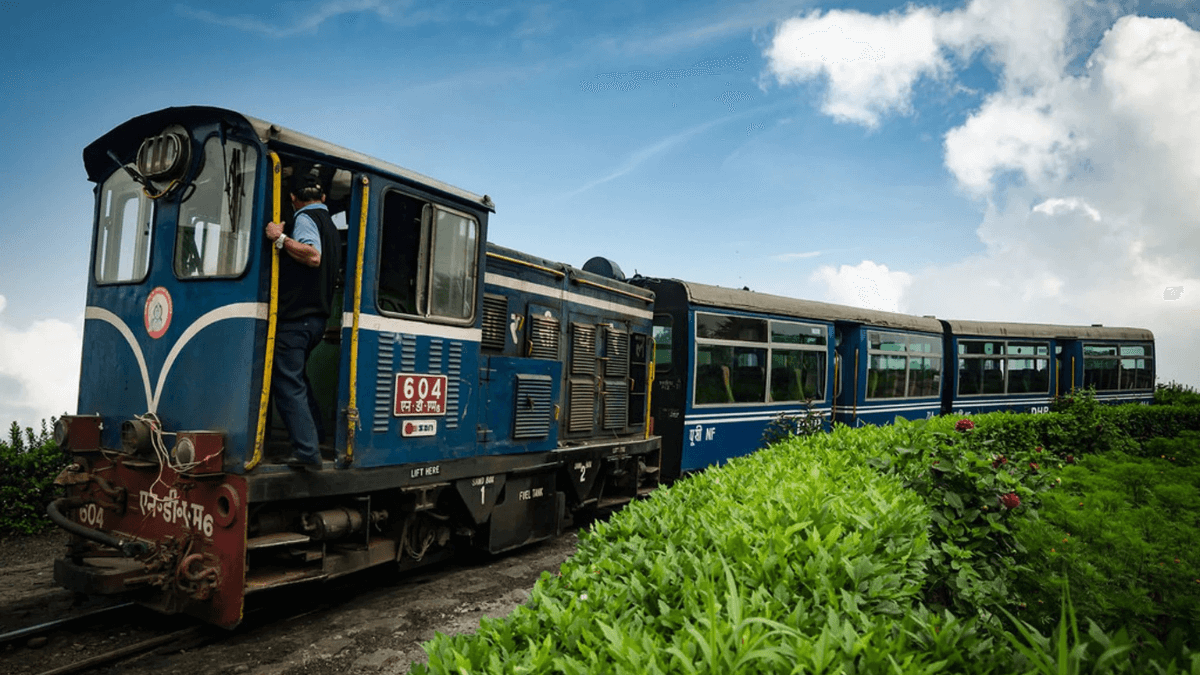
Toy trains in India are a unique attraction that combine history, scenic beauty, and the charm of old-style rail travel. Running on narrow tracks through hills, tunnels, and valleys, these trains offer an unforgettable journey for tourists and locals alike. More than just a mode of transport, they are living heritage sites that showcase India’s engineering skills and natural landscapes in the most delightful way.
Toy Trains in India
India has five famous toy train routes, all located in hill regions. These are the Darjeeling Himalayan Railway, Kalka–Shimla Railway, Nilgiri Mountain Railway, Kangra Valley Railway, and Matheran Hill Railway. Together, they offer travelers a chance to enjoy breathtaking views of mountains, valleys, and forests. Some of these routes are also recognized as UNESCO World Heritage Sites, making them both scenic and historically important.
List of Toy Trains in India
Most toy trains run in hill regions, where they attract tourists and create memorable journeys. There are five famous toy trains in India, each with its own charm.
| Train Name | Starts from | Ends At | Stations |
| Matheran Hill Railway | Neral | Matheran | 5 |
| Kalka-Shimla Railway | Kalka | Shimla | 18 |
| Nilgiri Mountain Railway | Mettupalayam | Udhagamandalam | 13 |
| Kangra Valley Railway | Pathankot | Jogindernagar | 33 |
| Darjeeling Himalayan Railway | New Jalpaiguri | Darjeeling | 17 |
Matheran Hill Railway
Route: Neral to Matheran
Built in the early 1900s, this diesel-powered train runs between Neral and the hill station of Matheran in Maharashtra. Covering 21 km, it takes a little over two hours to complete the trip. The train passes through dense forests and offers stunning views of the Western Ghats (Sahyadri Hills). With only five stations, it is a short yet scenic journey.
Kalka-Shimla Railway
Route: Kalka to Shimla
Opened in 1903, this train is one of the most popular hill routes in India. It runs for 96 km on a narrow track and takes around five and a half hours. The journey crosses 864 bridges and 103 tunnels, climbing from the plains of Kalka to the cool hill station of Shimla. Recognized as a UNESCO World Heritage Site, this train is famous for its breathtaking views of the Himalayas.
Nilgiri Mountain Railway
Route: Mettupalayam to Ooty
This train in Tamil Nadu connects the foothills at Mettupalayam with the hill station Ooty (Udhagamandalam). Completed in 1903 after 45 years of effort, the line stretches 46 km and climbs steep gradients, making it the steepest railway in Asia. The train passes through 250 bridges and 16 tunnels, surrounded by forests and tea plantations. It is also a UNESCO World Heritage Site.
Kangra Valley Railway
Route: Pathankot to Jogindernagar
Spread over 164 km, this is India’s longest narrow-gauge railway line. It was opened in 1929 and runs between Pathankot in Punjab and Jogindernagar in Himachal Pradesh. The train passes through tea gardens, streams, and offers stunning views of the Dhauladhar mountains. With 33 stations, including Ahju, one of the highest points at 1,290 meters, it is a favorite among travelers seeking natural beauty.
Darjeeling Himalayan Railway
Route: New Jalpaiguri to Darjeeling
Perhaps the most famous of all, this train was built between 1879 and 1881. Covering 84 km, it climbs from the plains of New Jalpaiguri to the hill station of Darjeeling, at an altitude of over 2,000 meters. The route includes five loops and six zigzags to manage the steep climb. It passes Ghum station, the highest railway station in India at 2,258 meters. Offering views of the snow-covered Kanchenjunga range, this UNESCO-listed railway is a true jewel of Indian heritage.


 Who is known as the Father of Mobile Pho...
 Which is the Highest Airport in the Worl...
 Which Country is the Largest Exporter of...