
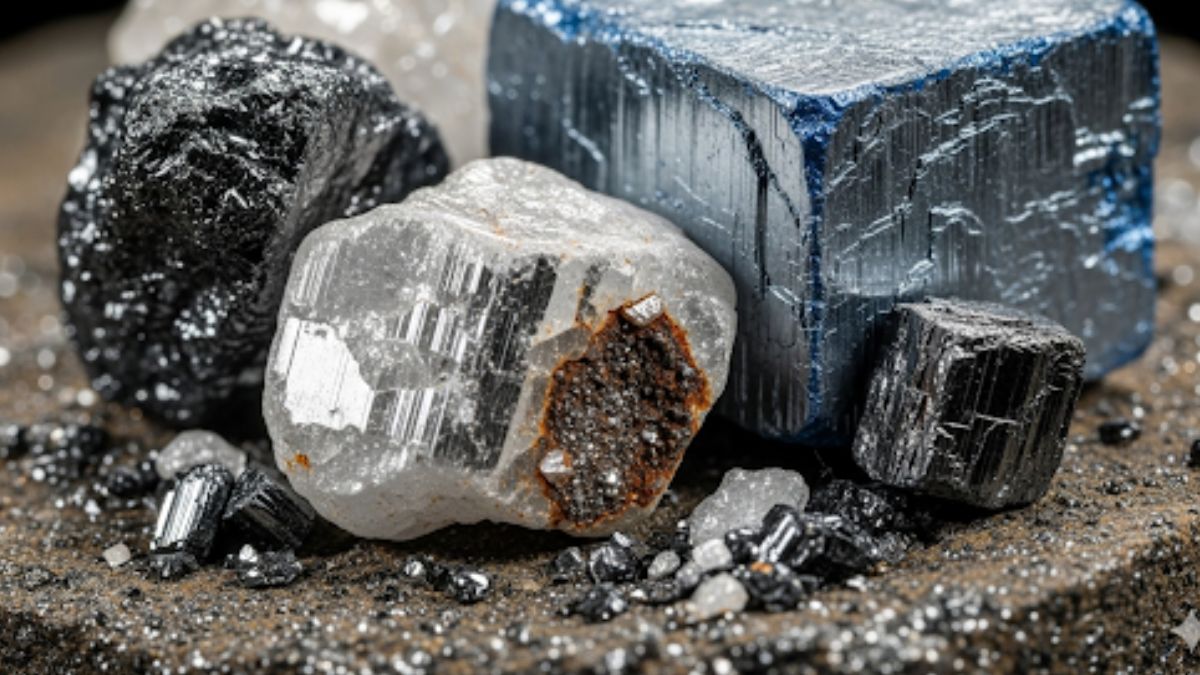
In a major step toward strengthening their strategic partnership, India and Japan have signed a Memorandum of Cooperation (MoC) focused on critical minerals, a vital resource category for clean energy and advanced technology. The agreement was formalized during Prime Minister Narendra Modi’s visit to Tokyo for the 15th India-Japan Annual Summit, reflecting the growing alignment between the two countries in matters of energy transition, economic resilience, and resource security.
Why Critical Minerals Matter
Critical minerals, including rare earth elements, are indispensable to a wide range of technologies—from batteries and semiconductors to solar panels and defense systems. As global demand for these minerals surges amid climate goals and technological shifts, countries are seeking to secure resilient supply chains.
India and Japan, both heavily reliant on imports for these resources, have recognized the importance of collaborative strategies to reduce dependency on a few dominant suppliers and build diversified, sustainable mineral ecosystems.
Key Features of the India-Japan Mineral Pact
Strategic Objectives
The MoC outlines several areas of cooperation aimed at reinforcing resource security and promoting clean energy development,
- Joint exploration and mining projects in India and third countries
- Exchange of regulatory and policy information
- Sustainable practices in deep-sea mining
- Stockpiling strategies for mineral supply stability
- Processing and technology transfer collaborations
- Mutually agreed forms of cooperation in future phases
This collaboration will help both nations reduce strategic vulnerabilities and strengthen their positions in the global energy and technology value chains.
Investments and Innovation
Prime Minister Modi highlighted that the MoC aligns with the broader economic vision shared with Japan, including a target of 10 trillion yen investment from Japan in India over the next decade. A special focus will be on connecting MSMEs and startups from both countries to foster innovation and technology-driven growth.
A Pillared Partnership for the Decade Ahead
The India-Japan relationship now rests on a decadal roadmap structured around eight pillars, as outlined by Prime Minister Modi. These include,
- Investment and innovation
- Economic and energy security
- Environmental sustainability
- Technology collaboration
- Healthcare and mobility partnerships
- People-to-people exchanges
- State and prefecture-level cooperation
The mineral cooperation pact fits squarely within these strategic goals, reinforcing bilateral trust and future-readiness.


 India Withdraws Its Plan to Host COP33 S...
 IIM Rohtak Wins BIMTECH's 'Hermes' Dialo...
 Gurgaon Tops the List of India's Most Po...











