
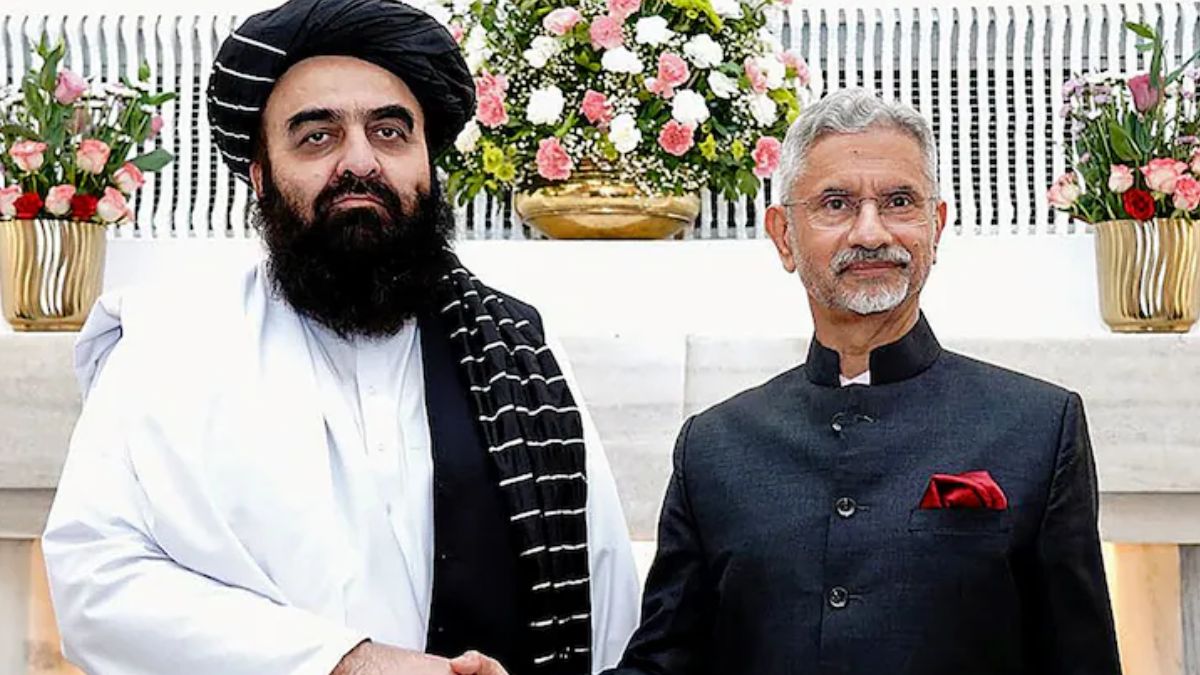
For the first time since the Taliban’s return to power in August 2021, Afghanistan is set to appoint its first official diplomat to India, marking a significant—though unofficial—step forward in India-Taliban diplomatic engagement. This move follows the October 2025 visit of Afghanistan’s acting Foreign Minister Amir Khan Muttaqi to New Delhi and reflects a gradual warming of ties between the two sides despite India’s non-recognition of the Taliban regime.
The Shift in Diplomatic Engagement
- The decision to send a Taliban-appointed diplomat to New Delhi represents the first formal diplomatic exchange since the Taliban’s controversial return to power.
- While India has not officially recognised the Taliban-led government, it has maintained humanitarian engagement, primarily through aid, medical supplies, and the re-establishment of a technical mission in Kabul.
- According to reports, another Afghan diplomat is also expected to be appointed in late December 2025 or early January 2026, indicating a deliberate step-by-step resumption of bilateral representation.
Background: India’s Policy Since 2021
Since the Taliban takeover in August 2021, India had adopted a cautious stance, initially shutting down its embassy and evacuating personnel. However, over time, India gradually reopened a technical office in Kabul to facilitate humanitarian aid without extending political legitimacy to the regime.
India’s core concerns remained,
- Preventing Afghan soil from being used for terrorism, particularly cross-border militancy.
- Ensuring the safety of minority communities, especially Sikhs and Hindus.
- Maintaining regional stability in light of geopolitical shifts post-US withdrawal.
India’s Diplomatic Balancing Act
India’s decision to accept a Taliban-appointed diplomat reflects a strategic calibration rather than an endorsement. The country faces a complex regional environment,
- China and Pakistan have already deepened ties with the Taliban regime.
- Central Asian nations and Russia are engaging Kabul for security and trade purposes.
- India seeks to maintain its influence in Afghan affairs, particularly via infrastructure, education, and development aid.
By allowing limited diplomatic representation, India retains channels of communication while keeping political recognition off the table.


 Former Suriname President Chandrikapersa...
 No Social Media for Kids Under 16: Indon...
 UK Sets Strict Screen Time Rules for Kid...











