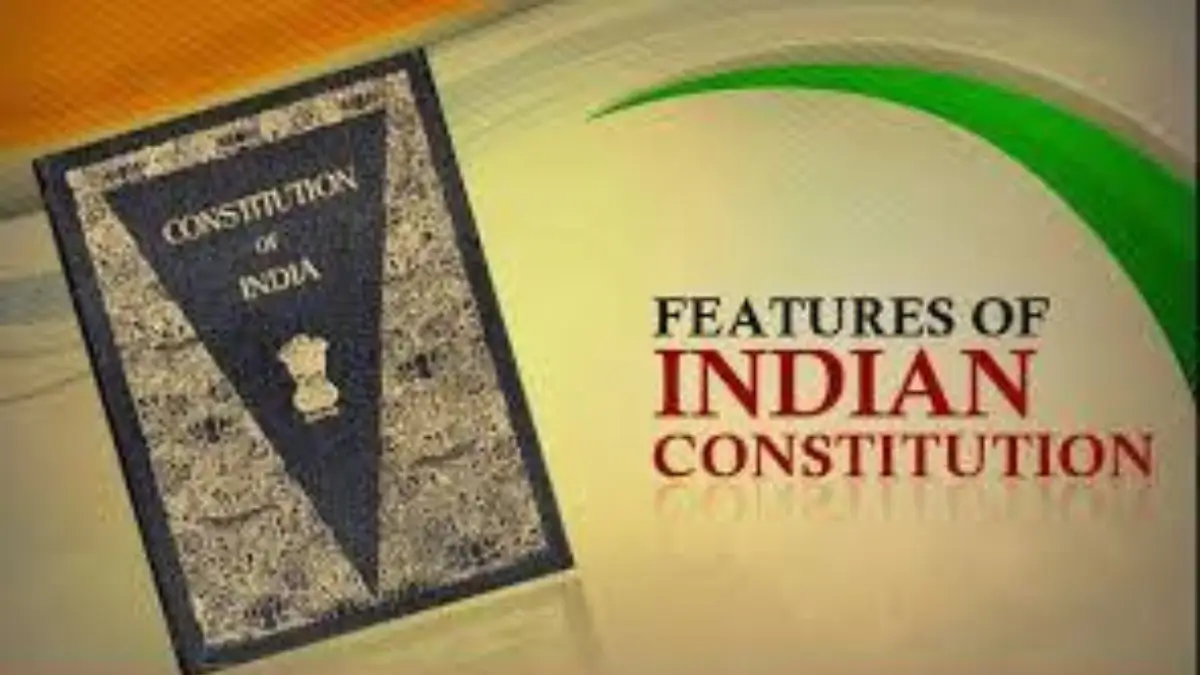
The Constitution of India is one of the most detailed and thoughtfully written constitutions in the world. It was adopted on 26 November 1949 and came into effect on 26 January 1950. While drafting it, the makers studied many constitutions from different countries and selected the best ideas that suited India’s history, culture, and diversity. This thoughtful mix makes the Indian Constitution unique and practical.
What is a Constitution?
A Constitution is a set of basic rules and laws of a country. It explains how the government works and defines the powers and duties of the legislature, executive, and judiciary. It also protects the rights of citizens and maintains balance between the central and state governments.
What is a Constitution?
A Constitution is the supreme law of a country. It:
- Explains how the government is formed
- Defines powers of the Legislature, Executive, and Judiciary
- Protects the rights of citizens
- Maintains balance between Centre and States
Why is the Indian Constitution Called a Borrowed Constitution?
Many people say the Indian Constitution is a “bag of borrowings” because it has taken ideas from other countries. This is true to some extent. However, these ideas were not copied blindly. They were carefully modified to match India’s social, political, and cultural needs. Dr. B. R. Ambedkar clearly said that borrowing good ideas is not wrong and no country owns constitutional principles.
Borrowed Features of Indian Constitution
The Indian Constitution includes useful ideas taken from many countries, carefully adapted to suit India’s history, culture, and democratic needs.
Britain
India borrowed the following from Britain:
- Parliamentary form of government
- Rule of Law
- Cabinet system
- Legislative procedures
- Parliamentary privileges
- Bicameral legislature
- Single citizenship
Ireland
Ireland contributed important democratic ideas:
- Directive Principles of State Policy
- Method of election of the President
- Nomination of members to Rajya Sabha
United States of America
Major democratic features came from the USA:
- Fundamental Rights
- Judicial review
- Independence of judiciary
- Impeachment of the President
- Removal of judges
- Preamble of the Constitution
Canada
From Canada, India adopted:
- Federal system with a strong Centre
- Residuary powers with the Centre
- Appointment of Governors by Centre
- Advisory jurisdiction of Supreme Court
Australia
Australia inspired:
- Concurrent List
- Freedom of trade and commerce
- Joint sitting of Lok Sabha and Rajya Sabha
Soviet Union
Key social ideas came from USSR:
- Fundamental Duties
- Social, economic, and political justice in the Preamble
France
France influenced the Preamble with:
- Republic
- Liberty
- Equality
- Fraternity
Germany
- Suspension of Fundamental Rights during Emergency
South Africa
- Procedure for amendment of the Constitution
- Election of members of Rajya Sabha
Japan
- Concept of “Procedure established by law”
Role of the Government of India Act, 1935
The Government of India Act, 1935 deeply influenced India’s Constitution. It provided:
- Federal structure
- Office of the Governor
- Judiciary system
- Public Service Commissions
- Emergency provisions
- Administrative framework
Why the Indian Constitution is Truly Unique?
Even after borrowing ideas, the Indian Constitution stands out because:
- It is the lengthiest written constitution
- It respects India’s unity in diversity
- It balances rights and duties
- It was carefully drafted after studying many constitutions
Dr. Ambedkar rightly said the Constitution was made after “ransacking the known constitutions of the world.”


 Top-10 Largest Oil Consuming Countries i...
 What is the National Fruit of Malaysia? ...
 What is the Difference Between LPG and P...