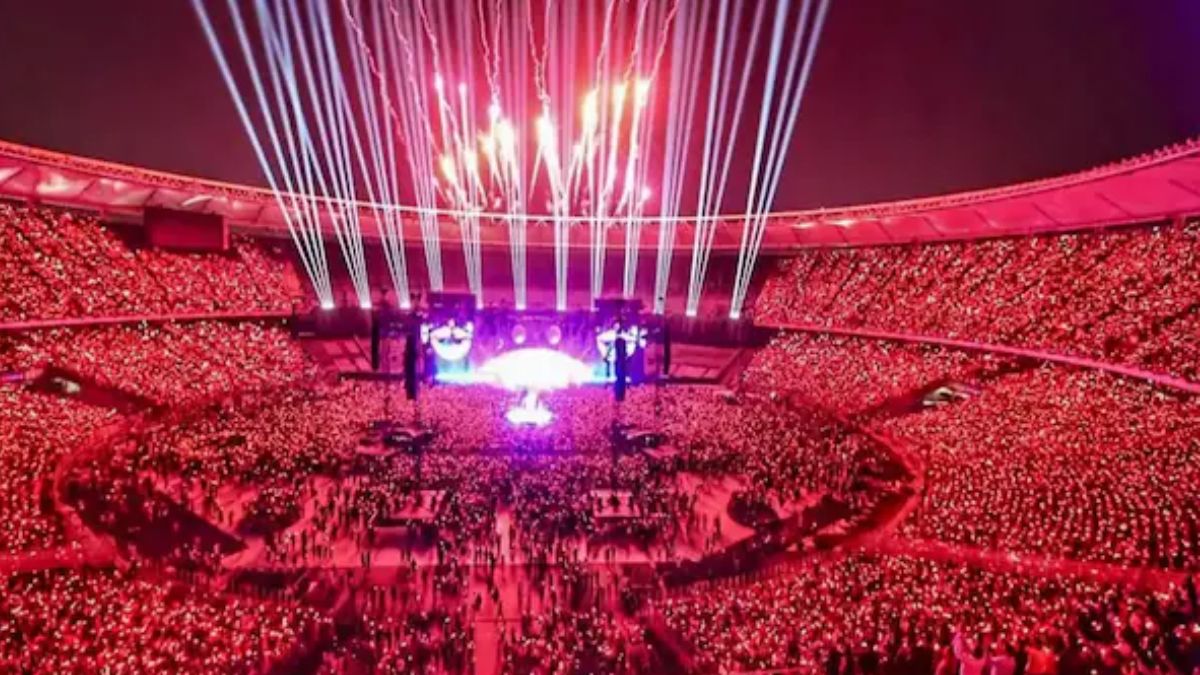
India’s concert economy is rapidly emerging as a powerful driver of employment and economic growth, extending far beyond the country’s metropolitan hubs. According to NLB Services, the industry is projected to generate 12 million temporary jobs by 2030–2032, with a significant push in Tier 2 and Tier 3 cities, making live entertainment a major contributor to India’s cultural and financial landscape.
The Rise of India’s Live Concert Industry
Traditionally, large-format concerts were limited to major metros like Mumbai, Delhi, Bengaluru, and Hyderabad. However, in recent years, the industry has expanded to cities such as Guwahati, Jaipur, Lucknow, Kochi, and Chandigarh.
This growth is being fuelled by,
- Improved connectivity and infrastructure
- Aspirational young audiences in smaller cities
- Rising brand interest in emerging markets
As a result, live concerts are no longer occasional spectacles but are turning into year-round economic engines.
Job Creation: A Boon for Youth and Local Economies
Each major concert or event now creates 15,000 to 20,000 short-term jobs across multiple sectors. These include roles in,
- Crowd control and security
- Hospitality and logistics
- Digital media and promotions
- Artist management and sound engineering
- Event production and technology
According to Sachin Alug, CEO of NLB Services, around 10–15% of these roles are already transitioning into full-time employment, particularly in audio engineering, production management, and digital strategy.
This wave of employment opportunities is especially impactful in smaller cities, empowering youth and driving local development.
Economic Ripple Effects of Concerts
The impact of live concerts goes well beyond entertainment. For example, Coldplay’s 2024 concert in Ahmedabad generated an estimated ₹641 crore boost to the city’s economy, including ₹72 crore in GST revenue.
The ripple effects included,
- Fully booked flights and hotels
- Surge in restaurant and local business sales
- Boost to tourism and MSME engagement
These figures highlight how concerts are becoming catalysts for local economic growth and tourism.
Industry Growth and Challenges
India’s live entertainment sector is now valued at nearly ₹15,000 crore, with flagship festivals like Lollapalooza India and Bandland contributing to both job creation and cultural influence.
However, the industry also faces challenges, particularly the shortage of skilled professionals in areas like,
- Live production
- Lighting technology
- Ticketing and event tech solutions
To bridge this gap, experts emphasize the need for urgent investment in training and certification programs, especially in Tier 2 and Tier 3 cities, where demand is growing rapidly.
Industry Leaders on the Growth Story
Sachin Alug, CEO of NLB Services, remarked that live events are now year-round economic engines, driving not just entertainment but also youth empowerment and formalisation of employment.
Naman Pugalia, Chief Business Officer – Live Events at BookMyShow, highlighted how India’s live entertainment has reached international standards, generating jobs, tourism, and cultural impact. He cited that Coldplay’s Ahmedabad concert alone created over 15,000 roles, with nearly 9,000 sourced locally.
Government and Corporate Support: Key to Sustainability
With the backing of supportive state policies, infrastructure development, and corporate investments, the concert economy is transitioning into a formalized contributor to India’s GDP.
This provides a rare opportunity for government, industry stakeholders, and skilling bodies to collaborate in building a sustainable talent pipeline that will meet the sector’s vast employment potential in the coming decade.


 India Forex Reserves Fall by $30.5 Billi...
 IRDAI Retains The Systemically Important...
 India’s GST Collections Hit ₹1.78 Lakh C...