
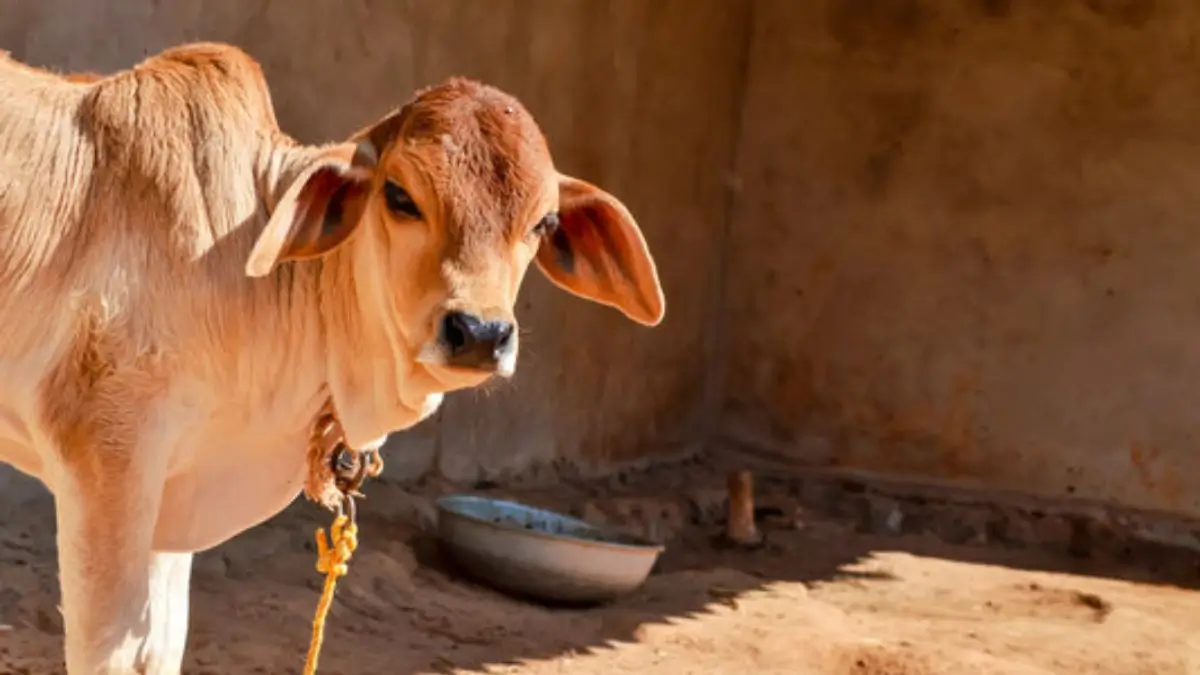
India is set to establish its first-ever National Cow Culture Museum in Mathura, Uttar Pradesh. The museum will be developed inside the campus of Pandit Deendayal Upadhyaya Veterinary Science University. The initiative aims to present a comprehensive understanding of cattle by blending cultural heritage with scientific awareness, moving beyond religious symbolism to highlight agriculture, economy, and sustainability.
Why Is the National Cow Culture Museum Being Established?
The National Cow Culture Museum has been conceived to,
- Showcase the cultural importance of cattle in Indian society
- Highlight the economic role of bovines in rural livelihoods
- Promote scientific awareness about cattle conservation
- Encourage sustainable agriculture practices
- Authorities emphasize that the project presents cattle as a key component of rural development and food security.
Blending Tradition with Science
- The museum will demonstrate both spiritual and practical aspects of cattle.
- From a cultural perspective, cows hold an important place in Indian traditions, especially in the Braj region, where Mathura is located.
From a scientific perspective, the museum will explain,
- Draught power used in agriculture
- Organic manure for soil fertility
- Dairy production supporting millions of households
- Cattle conservation techniques
This balanced narrative aims to educate visitors on how cattle contribute to both heritage and modern rural economy.
Exhibits and Digital Displays
The National Cow Culture Museum will feature around 100 digital and physical exhibits.
Key highlights include,
- Display of prominent indigenous cattle breeds such as Gir, Sahiwal, and Tharparkar
- Information on rare and endangered breeds
- Details about habitat, productivity, and characteristics
- Sections dedicated to dairy products like milk, curd, cheese, and ghee
- Nutritional value and references in traditional health systems
- Interactive digital tools will make the museum engaging for students, researchers, and tourists.
Institutional Support and Planning
- Senior administrative officials have already inspected the proposed site.
- The project is being developed under the direction of the Uttar Pradesh government.
- The goal is to strengthen the cultural identity of the Braj region while promoting scientific knowledge about cattle and agriculture.
Educational and Tourism Potential
The museum is expected to serve multiple purposes,
- Educational centre for veterinary and agriculture students
- Awareness hub for cattle conservation
- Tourist attraction in Mathura
- Promotion of rural and dairy economy
A dairy parlour is also planned within the campus to offer fresh dairy products, adding to the experiential element.
Background: Role of Cattle in Indian Economy
India has one of the world’s largest cattle populations. Cattle play a vital role in,
- Dairy production (India is a leading milk producer globally)
- Organic farming and manure production
- Rural employment
- Traditional agriculture
The museum aims to connect this economic importance with cultural heritage in a structured way.
Question
Q. India’s first National Cow Culture Museum will be established in:
A. Varanasi
B. Mathura
C. Lucknow
D. Jaipur


 Nitish Kumar to Take Rajya Sabha Oath on...
 Ashwini Bhide Becomes First Woman BMC Co...
 Lok Sabha Passed Resolution For Amravati...











