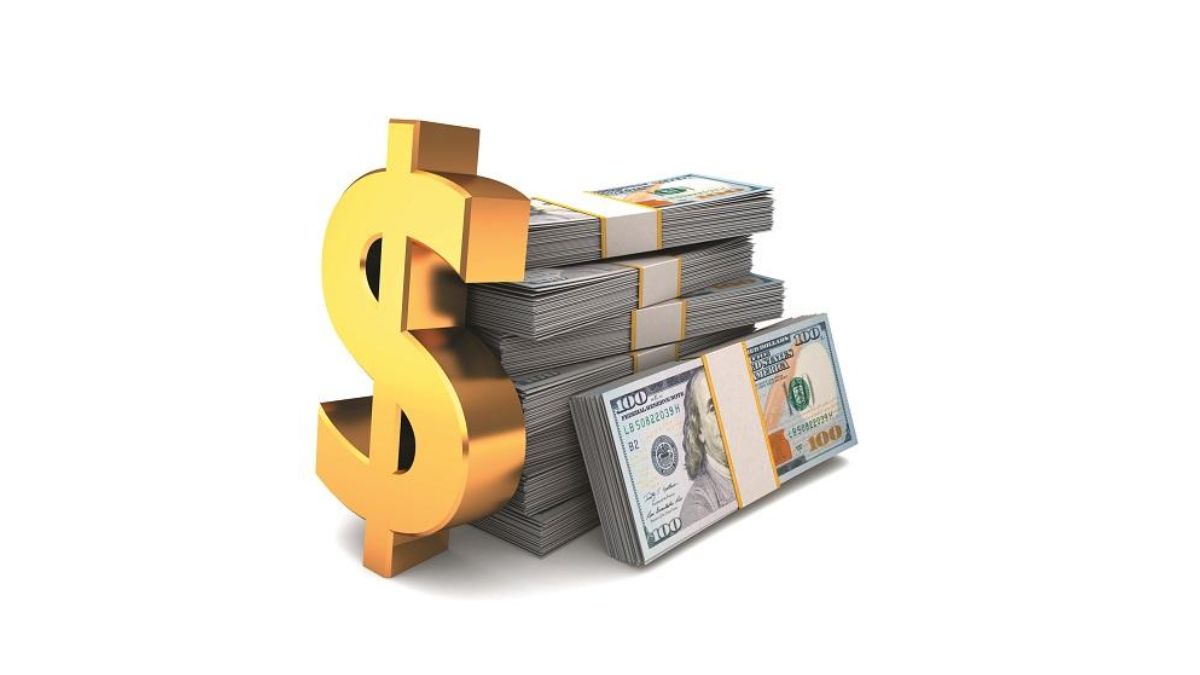
India’s foreign exchange reserves registered a decline of $4.38 billion, slipping to $690.72 billion for the week ending August 22, 2025, according to data released by the Reserve Bank of India (RBI). The fall comes after a recent surge in reserves, which had touched a record high of $704.88 billion in September 2024.
Breakdown of Reserve Components
1. Foreign Currency Assets (FCAs)
- The largest component of reserves, FCAs dropped by $3.65 billion, settling at $582.25 billion.
- FCA values are influenced not just by dollar holdings, but also by movements in other major currencies like the euro, pound, and yen.
2. Gold Reserves
- Increased by $665 million, standing at $66.58 billion during the reporting week.
- The rise indicates continued diversification into gold as a safe-haven asset.
3. Special Drawing Rights (SDRs)
- Declined by $46 million, now at $18.73 billion.
4. IMF Reserve Position
- Marginally reduced by $23 million, down to $4.73 billion.
Recent Trends in Reserves
- In the previous week (ending August 15, 2025), forex reserves had increased by $1.48 billion to $695.10 billion.
- The current fall reflects adjustments in currency assets and international market movements.
- India’s reserves still remain among the highest globally, providing a significant buffer against external shocks.
RBI’s Role in Forex Market
- The RBI frequently intervenes in the forex market to maintain rupee stability and control excessive volatility. Such interventions include:
- Selling dollars to prevent sharp rupee depreciation.
- Liquidity operations aimed at ensuring smooth market conditions.
- Importantly, RBI emphasizes that interventions are not targeted at fixing a specific exchange rate, but to maintain orderly market operations.
Significance of Strong Forex Reserves
Forex reserves are critical for,
- Ensuring currency stability during external shocks.
- Supporting import payments, especially for crude oil and essential commodities.
- Maintaining investor confidence in India’s economic fundamentals.
- Providing a cushion against global trade disruptions, tariff tensions, and capital outflows.


 World Bank Projects India to Drive South...
 RBI MPC Meeting 2026, Kept Repo Rates Un...
 India's Major Ports Handle Record 915.17...