
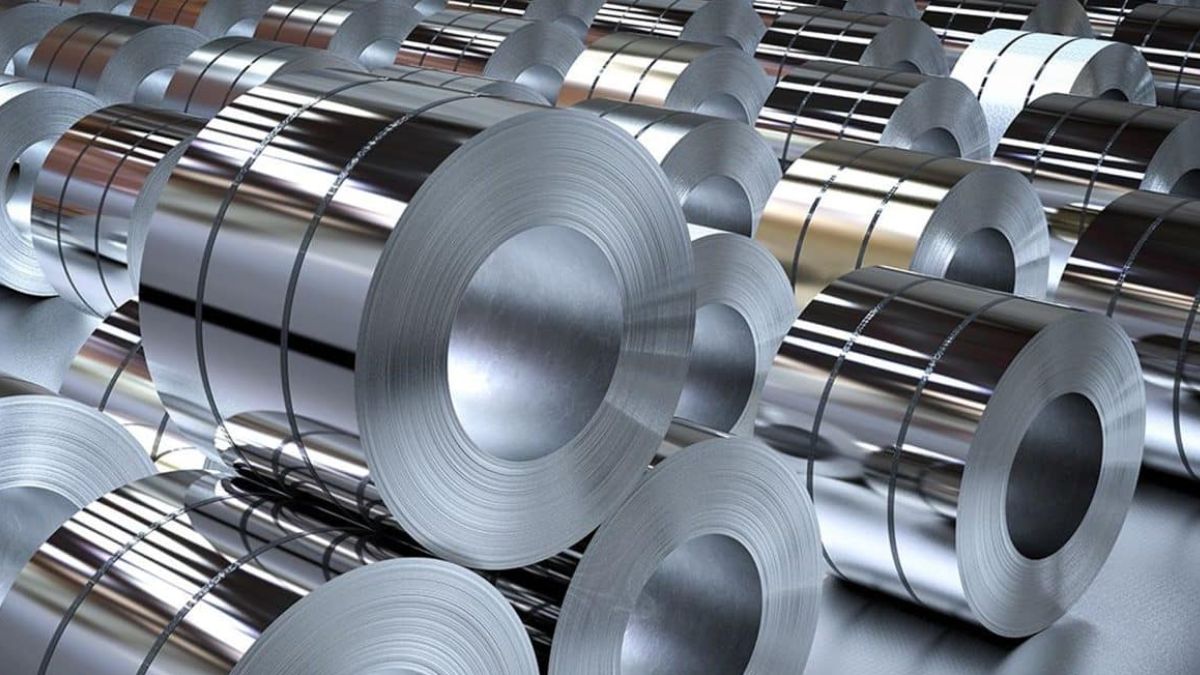
The Indian government is finalising a Green Steel Procurement Policy that could mandate 25% of public steel purchases to be sourced from low-emission, eco-friendly production methods. This move aims to stimulate demand for green steel, making India a global leader in climate-friendly industrial practices.
Background
Green steel refers to steel produced using low-carbon technologies such as hydrogen-based Direct Reduced Iron (DRI) or electric arc furnaces powered by renewable energy, instead of traditional coal-based blast furnaces. Since the steel industry is one of the world’s most carbon-intensive sectors, transitioning to cleaner production is crucial for achieving India’s climate targets.
Significance
The steel industry contributes around 10–12% of India’s total greenhouse gas emissions, making its decarbonisation vital. Steel is the backbone of infrastructure, automobiles, and manufacturing, and greening the sector ensures that industrial growth does not come at the cost of environmental sustainability. As the second-largest steel producer globally since 2018, India’s leadership in green steel can enhance its global climate credentials and trade competitiveness.
Objectives
The key aim of the policy is to create market demand for green steel, which currently faces stiff competition from cheaper, high-emission alternatives. By mandating 25% public procurement, the government seeks to provide the industry with a strong initial push, incentivizing private sector adoption and innovation in low-carbon steelmaking technologies.
Key Features
- Green Steel Procurement Policy mandating 25% of public steel purchases.
- Implementation by the Ministry of Steel through a dedicated roadmap.
- Adoption of hydrogen-based DRI, electric arc furnaces, and renewable energy in steel production.
- Use of steel scrap as a raw material, reducing emissions by up to 58%.
- Supportive schemes like the Steel Scrap Recycling Policy (2019), PAT Scheme, and the National Solar Mission to encourage low-emission production.
Challenges
Producing green steel remains more expensive than conventional methods. Technologies like hydrogen-based DRI and carbon capture are still evolving and not widely commercialized. Producing green hydrogen requires massive renewable energy capacity, which is still being scaled up. Additionally, the lack of mandatory norms and insufficient demand-side incentives make private players hesitant to invest heavily in green steel production.
Steps Taken in India
The Ministry of Steel has released a report, “Greening the Steel Sector in India: Roadmap and Action Plan”, based on recommendations from 14 task forces. The Steel Scrap Recycling Policy (2019) and vehicle scrapping rules (2021) aim to increase scrap availability. The National Solar Mission (2010) promotes renewable energy use, and the PAT Scheme incentivizes industries to reduce energy consumption, collectively pushing the sector towards low-carbon growth.


 Parliament Rejects Impeachment of Chief ...
 Against All Odds: Indian Cyclist Divya S...
 India’s Most Advanced Atomic Reactor Att...











