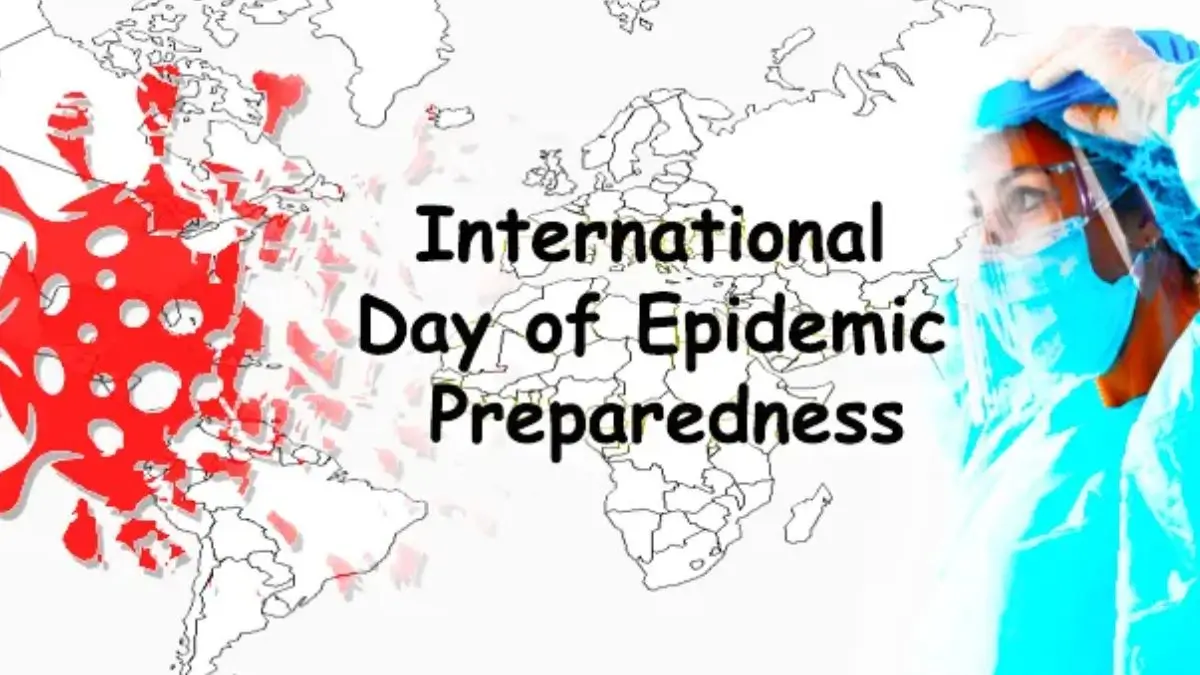
The International Day of Epidemic Preparedness is observed every year on December 27 to underscore the critical importance of preventing, preparing for and responding to epidemics. The observance highlights the urgent need for robust health systems, early warning mechanisms, and international cooperation to reduce the devastating impact of infectious disease outbreaks on human lives and economies. The COVID 19 pandemic clearly demonstrated that epidemics are not only health crises but also social, economic and security challenges, making preparedness a global priority.
Origin and International Recognition
- The International Day of Epidemic Preparedness was first observed on 27 December 2020 following a resolution adopted by the United Nations General Assembly.
- The resolution called upon countries and international organisations to raise awareness and strengthen preparedness frameworks to deal with future epidemics.
- By designating a dedicated international day, the United Nations sought to ensure that epidemic preparedness remains a continuous global commitment rather than a reactive response after crises emerge.
What Is an Epidemic?
- An epidemic is defined as a sudden outbreak of a disease that affects a large number of people within a specific region, community, or population.
- Epidemics differ from pandemics in scale as pandemics spread across countries and continents, while epidemics are more geographically limited.
- However, without timely intervention, epidemics can quickly escalate into regional or global health emergencies as seen in past outbreaks of Ebola, SARS, and COVID-19.
Importance of Epidemic Preparedness
- Epidemic preparedness focuses on anticipating risks before outbreaks occur.
- This includes strengthening surveillance systems, improving laboratory capacity, training health workers, and ensuring rapid response mechanisms.
- Preparedness reduces mortality, economic losses, and social disruption.
- The day emphasises that prevention is far more cost-effective than crisis response, and investments made in preparedness save lives and resources in the long term.
Key Pillars of Epidemic Preparedness
- A strong epidemic preparedness framework rests on several interconnected pillars.
- These include early detection and surveillance, effective public health communication, resilient healthcare infrastructure and sustained research and innovation in diagnostics, vaccines, and therapeutics.
- Equally important is community participation, as public trust and behavioural compliance play a crucial role in controlling disease spread.
Role of Global Cooperation
- The observance stresses the importance of global solidarity, as infectious diseases do not respect borders.
- Institutions like the World Health Organization (WHO) play a central role in coordinating international responses, sharing data and issuing technical guidance.
- Low and middle-income countries often face greater challenges in preparedness, making international support, financing, and technology transfer essential for global health security.
Lessons from Recent Epidemics
- Recent health emergencies have revealed gaps in supply chains, health workforce capacity, data sharing and emergency financing.
- The International Day of Epidemic Preparedness serves as a reminder to convert these lessons into institutional reforms and long-term investments.
- Preparedness is no longer seen as a health-sector issue alone but as a whole of government and whole of society responsibility.
Relevance for India and Developing Countries
- For countries like India, epidemic preparedness is closely linked with primary healthcare strengthening, disease surveillance programmes, digital health platforms and vaccine research.
- Investments in initiatives such as health data systems and community health workers improve readiness against future outbreaks.
- From an examination perspective, this topic is relevant under global health, disaster management, international organisations, and sustainable development goals.
Key Takeaways
- Observed annually on December 27
- First observed in 2020 following a UN General Assembly resolution
- Focuses on prevention, preparedness, and global cooperation
- Highlights the role of strong health systems and early detection
Question
Q. When is the International Day of Epidemic Preparedness observed every year?
A) December 25
B) December 27
C) December 28
D) Last Sunday of December


 March 25: International Day of Solidarit...
 International Day of the Unborn Child: M...
 International Day for the Right to Truth...