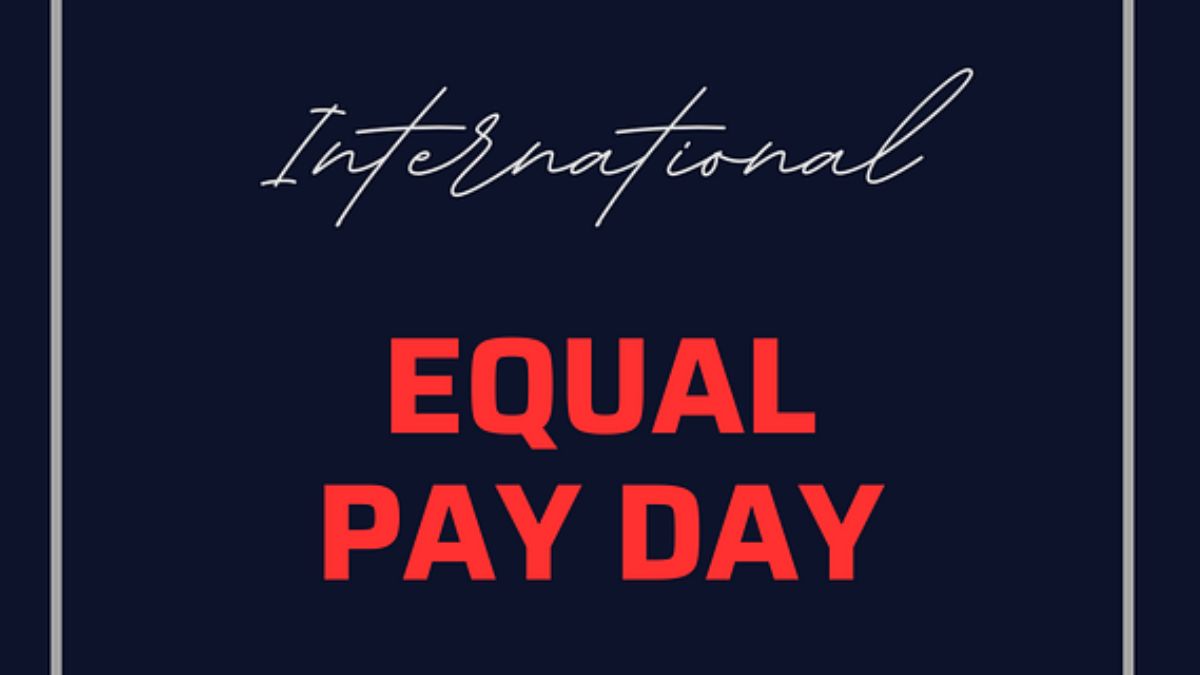
International Equal Pay Day is observed every year on 18 September to raise awareness about the persistent gender pay gap and to reaffirm the global commitment to equal pay for work of equal value. Despite progress, women worldwide still earn around 20% less than men, reflecting systemic inequalities, occupational segregation, and gender stereotypes.
This observance is an integral part of the United Nations’ Sustainable Development Goals (SDGs), particularly SDG 5 (Gender Equality) and SDG 8 (Decent Work and Economic Growth), making it highly relevant for competitive exam aspirants under international days, gender issues, and human rights.
History and Significance
- Origin: The day was established through the efforts of the United Nations, ILO, and UN Women to spotlight the importance of fair wages.
- Significance: It promotes the principle of equal pay for equal work, enshrined in the ILO Equal Remuneration Convention (C100).
- Global Goal: To accelerate actions by governments, businesses, and civil society for reducing gender-based wage disparities.
Equal pay is not just a women’s issue but a human rights issue and an economic imperative. Narrowing the gender pay gap boosts productivity, economic resilience, and social justice.
Why Does the Gender Pay Gap Persist?
Several structural, cultural, and social factors perpetuate wage inequality,
- Informal Sector Participation: Women, especially migrant women, are overrepresented in low-paid, insecure jobs without benefits.
- Unpaid Care Work: Women perform nearly three extra hours of unpaid work daily compared to men, limiting their earning potential.
- Motherhood Penalty: Working mothers often face wage cuts, with pay decreasing as the number of children increases.
- Stereotypes & Discrimination: Hiring and promotions often reflect gender bias, further restricting women’s advancement.
Global Efforts to Close the Gap
ILO Conventions and Standards
- Equal Remuneration Convention (C100): Ensures equal pay for men and women for work of equal value.
- Social Dialogue: Workers’ and employers’ organizations are central to achieving pay parity through collective bargaining.
Equal Pay International Coalition (EPIC)
- Led by: ILO, UN Women, and OECD.
- Objective: To coordinate efforts at the global, regional, and national levels to reduce the gender pay gap.
- Approach: Brings together governments, employers, trade unions, and civil society to share practices and strategies.
UN’s Sustainable Development Goals
- SDG 5: Achieve gender equality and empower all women and girls.
- SDG 8: Promote inclusive economic growth and decent work for all.
Challenges Ahead
- Slow Progress: At the current pace, closing the gender pay gap could take centuries in some regions.
- Labour Market Shocks: Economic crises and global disruptions (pandemics, conflicts) often hit women’s employment harder.
- Policy Gaps: Weak enforcement of equal pay laws in many countries.
- Cultural Barriers: Traditional roles and stereotypes limit women’s opportunities for higher-paying jobs.


 Good Friday 2026: Date, History, Meaning...
 World Autism Awareness Day 2026: Underst...
 RBI Foundation Day 2026: History, Functi...