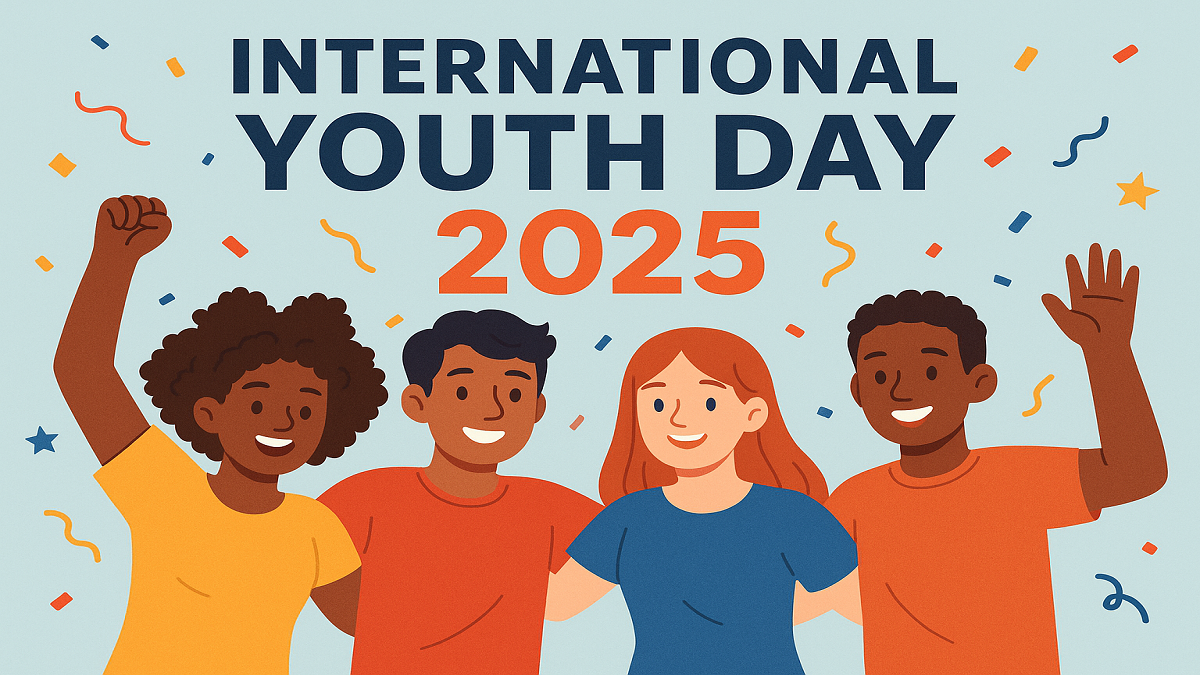
The youth of a nation are the torchbearers of progress, the rays of hope that illuminate even the remotest corners of society. Recognizing their immense potential, countries worldwide invest in youth-focused policies, education, and opportunities. International Youth Day, celebrated annually on August 12, serves as a platform to address youth-related issues globally and to celebrate young people as active partners in building a sustainable future.
History of International Youth Day
- 1991 – The idea for International Youth Day emerged during the first session of the World Youth Forum of the United Nations System in Vienna, Austria.
- The forum proposed a special day for fundraising and promotional activities in support of the United Nations Youth Fund, in collaboration with youth organizations.
- 1998 – The World Conference of Ministers Responsible for Youth, hosted by Portugal in cooperation with the United Nations, adopted a resolution officially declaring August 12 as International Youth Day.
- Since then, the day has grown into a global observance recognized by governments, NGOs, and communities worldwide.
Significance of International Youth Day
International Youth Day serves as a reminder to prioritize youth welfare, focusing on the policies, programs, and investments that shape their skills, opportunities, and future.
Key objectives of the day include:
- Highlighting youth-related challenges such as education gaps, unemployment, mental health, and climate change.
- Celebrating youth contributions to culture, economy, governance, and innovation.
- Encouraging global cooperation to improve youth development initiatives.
- Promoting sustainable growth by engaging young people in decision-making processes.
Past themes:
- 2023: Green Skills for Youth: Towards a Sustainable Future – focusing on green economy skills.
- 2024: From Clicks to Progress: Youth Digital Pathways for Sustainable Development – emphasizing technology for sustainable growth.
International Youth Day 2025 Theme
Theme: Local Youth Actions for the SDGs and Beyond
- Focus: With over 65% of Sustainable Development Goals (SDG) targets tied to local governance, the theme stresses the importance of youth participation in local planning, governance, and policy-making.
- Relevance: Young people are key drivers in achieving SDGs, from climate action to quality education. Their local engagement ensures policies meet community needs while contributing to global goals.
- Special Significance in 2025: This year also marks the 30th anniversary of the World Programme of Action for Youth (WPAY), a UN framework guiding nations in addressing youth priorities.
Challenges Facing Global Youth
Despite progress, youth worldwide face pressing issues, including:
- Unemployment – Especially in developing economies.
- Education inequities – Access gaps in quality learning.
- Mental health crises – Rising stress, anxiety, and depression rates.
- Digital divide – Limited access to internet and technology.
- Climate vulnerability – Young people are disproportionately affected by environmental degradation.
Way Forward
To empower youth as agents of change, countries should:
- Enhance local governance roles for young people.
- Expand skill development programs aligned with green and digital economies.
- Strengthen mental health support in schools and communities.
- Bridge the digital divide to ensure equal participation in the knowledge economy.
- Promote intergenerational dialogue for inclusive decision-making.


 List of Important Days in April 2026, Na...
 World Health Day 2026: Date, Theme, Sign...
 International Day of Sport for Developme...