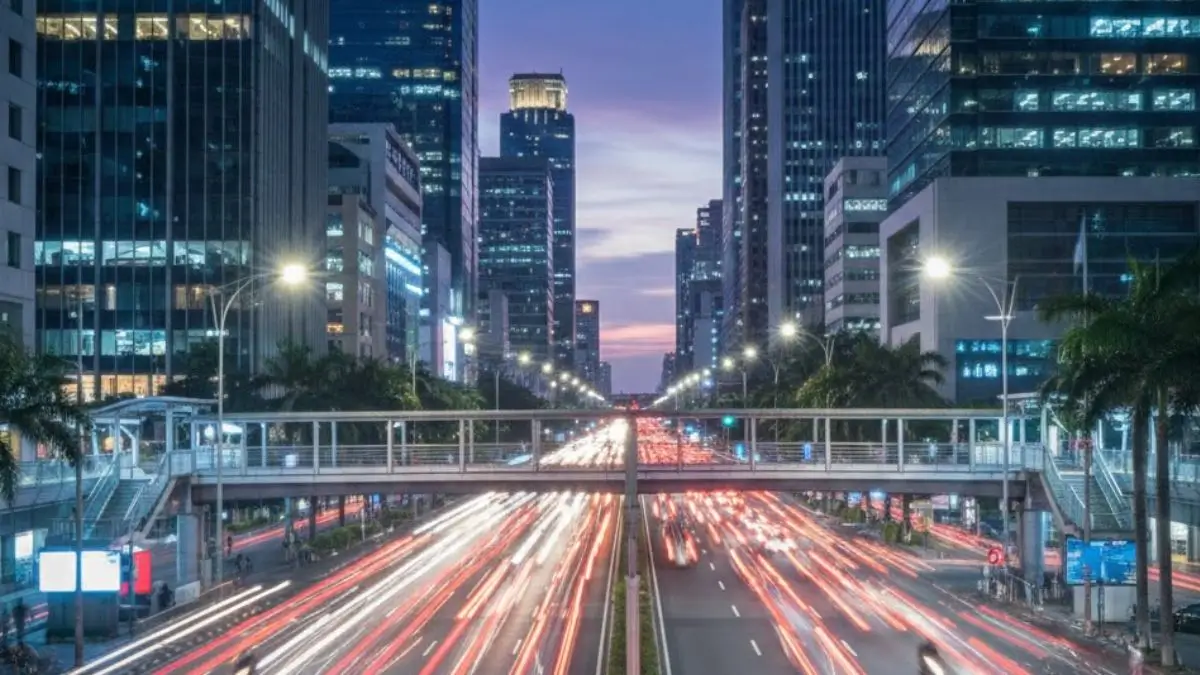
Jakarta has officially overtaken Tokyo to become the world’s most populous city, according to the United Nations’ World Urbanisation Prospects 2025 report. With an estimated population of 42 million, the Indonesian capital now leads a list dominated by rapidly expanding Asian megacities.
This shift comes as a result of the UN’s updated criteria, which aim to provide a more standardised and globally comparable framework for defining and measuring urban populations. The report reflects changing dynamics in urbanisation, migration, and demographic growth, making it a key resource for policymakers and students of urban development alike.
Key Rankings: Top 3 Most Populous Cities (2025)
- Jakarta (Indonesia) – 42 million
- Dhaka (Bangladesh) – 37 million
- Tokyo (Japan) – 33 million
Tokyo, which held the top spot in previous rankings including the 2018 UN report, has now slipped to third place despite its continued significance as a global urban centre.
What Changed: UN’s New Methodology
The shift in rankings is attributed to revised urban delimitation criteria by the UN’s Department of Economic and Social Affairs. Earlier assessments were based on varying national definitions of city boundaries, often favouring cities like Tokyo with expansive administrative coverage.
The new methodology provides,
- Consistent population and geospatial criteria
- More accurate mapping of functional urban areas
- Better inclusion of urban sprawl and regional connectivity
This means that urban areas are now compared using similar population density and spatial data, which gives cities like Jakarta and Dhaka a more accurate representation of their true urban size.
Rapid Urbanisation: The Bigger Picture
According to the report,
- In 1950, only 20% of the global population lived in cities.
- In 2025, nearly half of the world’s 8.2 billion people reside in urban areas.
- By 2050, two-thirds of global population growth is expected to occur in cities, and much of the rest in towns.
The number of megacities (population ≥10 million) has grown from just 8 in 1975 to 33 in 2025, a fourfold increase in just five decades.
Asia Dominates the Megacity Landscape
Nine of the ten most populous cities in the world are now located in Asia, reflecting the region’s dynamic economic growth and urban migration patterns,
- Jakarta
- Dhaka
- Tokyo
- New Delhi
- Shanghai
- Guangzhou
- Manila
- Kolkata
- Seoul
The only non-Asian city in the top 10 is Cairo (Egypt).
Tokyo’s Demographic Shift
Despite dropping in the global rankings, Tokyo remains a major metropolitan hub. Its 33 million residents are spread across the Greater Tokyo Area, which includes Saitama, Chiba, and Kanagawa prefectures — the latter being home to Yokohama (population: 3.7 million).
However, the region has seen a gradual population decline, mirroring Japan’s broader demographic challenges. Interestingly, “Tokyo proper” — the 23 special wards and surrounding cities — has increased in population over the past decade, now standing at over 14 million, driven largely by youth migration for work and education.
Implications of Jakarta’s Rise
Jakarta’s top rank in the UN list reflects broader themes in urban development and planning,
- Strain on infrastructure: Growing populations can overwhelm housing, sanitation, and transport systems.
- Environmental challenges: Jakarta is already battling air pollution, flooding, and land subsidence.
- Governance and equity: As urban sprawl increases, governments face pressure to ensure inclusive development and avoid deepening social divides.
- Opportunities for growth: Urban centres also attract investment, innovation, and cultural exchange — key drivers of national economies.
Static Takeaways
- Report: World Urbanisation Prospects 2025 by UN DESA
- Jakarta Population (2025): 42 million (Rank 1)
- Tokyo Population: 33 million (Rank 3)
- Top 3 Cities: Jakarta, Dhaka, Tokyo
- Number of Megacities (2025): 33
- Urban Population Share: ~50% of global population (2025)
- Projection (2050): 66% of global population to live in urban areas
- UN Official Quoted: Patrick Gerland, Head of Population Estimates Section
- UN Undersecretary-General Statement: Urbanisation as a force for climate action, economic growth, and social equity


 Philippines Declares Energy Emergency Am...
 Iran’s Ceasefire Conditions After Trump’...
 WMO Warns Earth's Climate Is "Flashing R...