
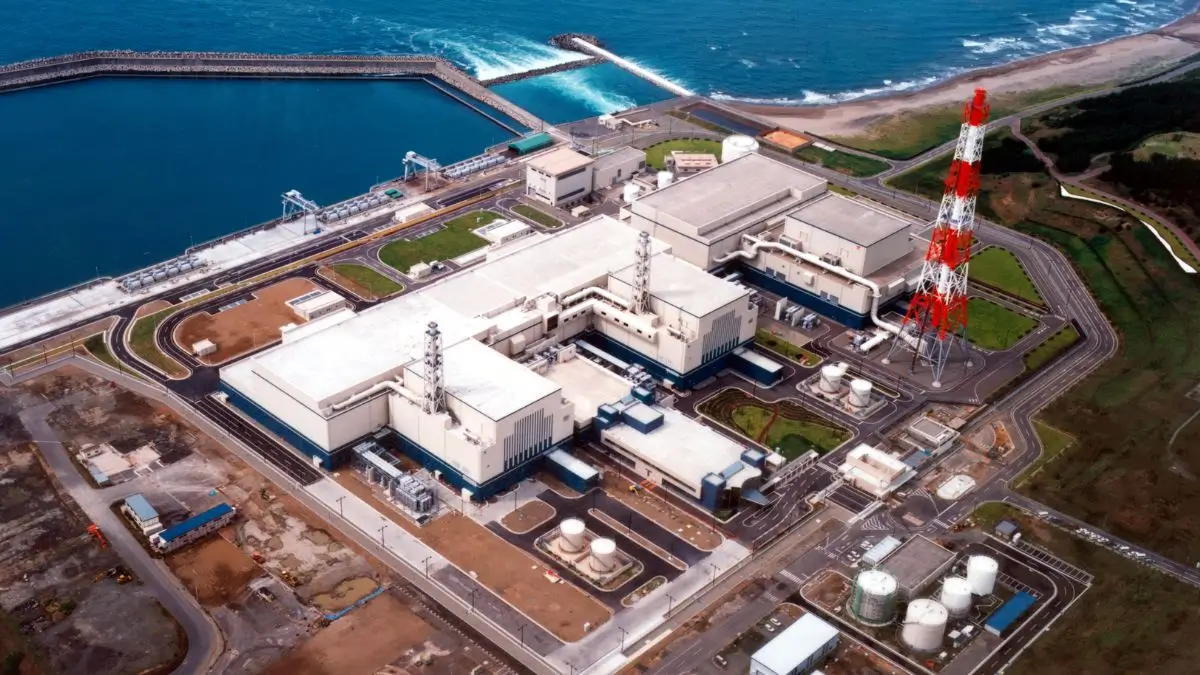
Japan is set to resume operations at the Kashiwazaki-Kariwa Nuclear Power Plant, the world’s largest nuclear facility, marking a major shift in its energy policy. This will be the first restart of the plant since the 2011 Fukushima nuclear disaster which led to a nationwide shutdown of nuclear reactors.
About Kashiwazaki-Kariwa Nuclear Power Plant
- Location: Kashiwazaki and Kariwa towns, Niigata Prefecture, on the coast of the Sea of Japan (Honshu Island)
- Installed Capacity: Nearly 8,200 MW (largest nuclear plant globally)
- Operator: Tokyo Electric Power Company (TEPCO)
- The plant consists of multiple reactors and plays a critical role in Japan’s power generation capacity.
Why the Restart Is Significant
- First operation since the Fukushima nuclear disaster
- Symbolises renewed trust in nuclear safety after stricter regulations
- Helps Japan cut carbon emissions and reduce fossil fuel imports
- Strengthens energy security amid rising global fuel prices
Japan’s Energy Challenge
Japan faces major energy constraints,
- It is the 5th-largest carbon dioxide emitter globally
- Nearly 70% of electricity in 2023 came from coal, gas, and oil
- Japan imports most of its fossil fuel needs
- Energy security remains a national priority
Before 2011, nuclear power produced around one-third of Japan’s electricity.
Nuclear Energy After Fukushima
Following the Fukushima disaster,
- All nuclear reactors were shut down
- Strict safety rules were introduced
- Public trust became a major concern
So far, 14 reactors, mainly in western and southern Japan, have resumed operations after meeting new safety standards.
Japan’s Long-Term Energy Plan
Japan is reshaping its energy mix,
- Renewables to become the top power source by 2040
- Nuclear power share targeted at 20% by 2040
- Nuclear contribution was only 5.6% in 2022
- Restarting Kashiwazaki-Kariwa is essential to achieving these goals.
Environmental and Economic Impact
- Reduces reliance on coal and gas
- Lowers carbon emissions
- Cuts fuel import costs
- Supports Japan’s climate commitments
Nuclear energy is seen as a stable, low-carbon baseload power source.
Key Takeaways
- Japan plans to restart the world’s largest nuclear plant
- Kashiwazaki-Kariwa has a capacity of ~8,200 MW
- Shut down since the 2011 Fukushima disaster
- Nuclear power to supply 20% of Japan’s energy by 2040
- Move supports clean energy and energy security goals
Question
Q. Japan is preparing to restart which nuclear power plant, the world’s largest by capacity?
A. Fukushima Daiichi
B. Kashiwazaki-Kariwa
C. Onagawa
D. Tokai


 Iran–US Ceasefire: Iran’s 10 Conditions ...
 Russia and China Veto UN Resolution to R...
 France Hosts One Health Summit Under G7 ...











