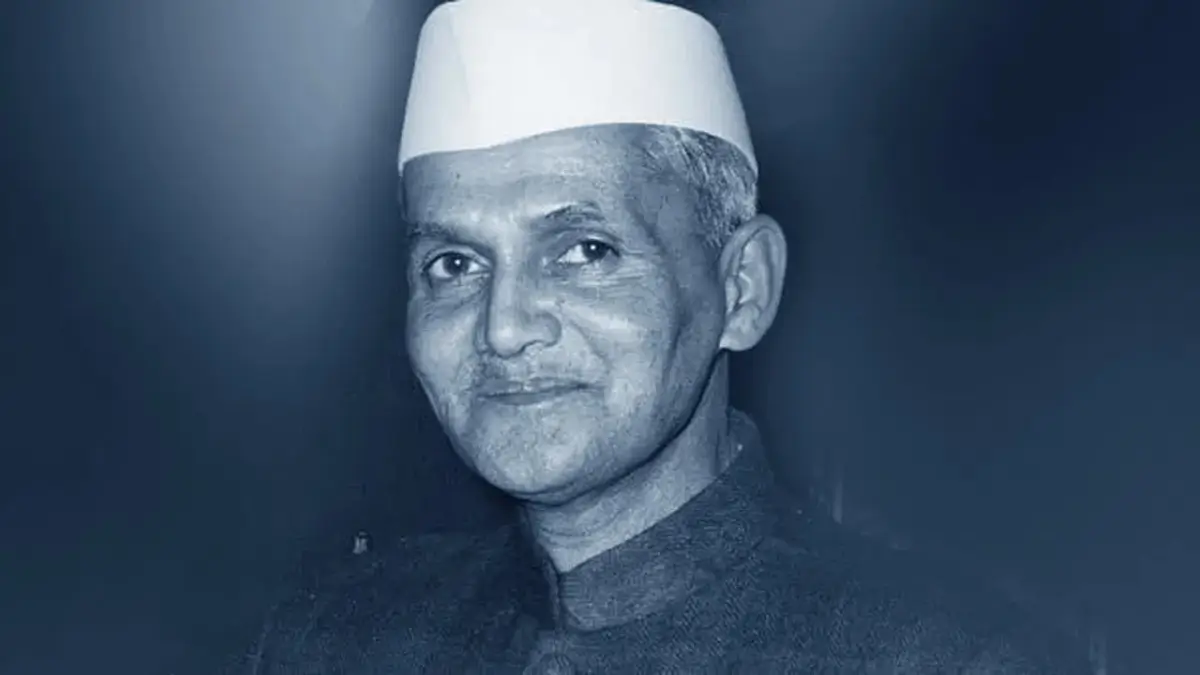
Lal Bahadur Shastri Jayanti 2025 observed on 2nd October, the 121st birth anniversary of India’s second Prime Minister. Shastri was admired for his simplicity, honesty, and love for the country. He is best remembered for his inspiring slogan “Jai Jawan, Jai Kisan”, which highlighted the importance of both soldiers and farmers. On this day, India pays tribute to his contributions and values.
Who was Lal Bahadur Shastri?
Lal Bahadur Shastri was born on October 2, 1904, in Mughalsarai, Uttar Pradesh. Coming from a humble background, he grew up with discipline and a spirit of service. He opposed caste discrimination and lived a life of equality and fairness. After India’s independence, he played an important role in nation-building and later became the second Prime Minister of India in 1964.
Early Life and Education
- Shastri lost his father at a young age and was raised by his mother.
- He studied at Kashi Vidyapeeth in Varanasi, where he earned the title “Shastri,” meaning a scholar.
- He believed in simple living and high thinking.
- From childhood, he opposed caste-based discrimination and gave up his surname “Srivastava” to promote equality.
Role in India’s Freedom Struggle
Shastri was an active participant in India’s fight for independence.
- Non-Cooperation Movement: As a young activist, he spread awareness about non-violent protest.
- Salt Satyagraha (1930): He joined Gandhi’s Dandi March, showing his dedication to self-reliance.
- Quit India Movement (1942): He was jailed for leading protests against British rule.
- Indian National Congress: Took responsibilities in decision-making and later contributed to policies after independence.
Lal Bahadur Shastri as Prime Minister of India
Lal Bahadur Shastri became Prime Minister on 27 May 1964, after Jawaharlal Nehru’s death. His term lasted only 19 months, but he showed remarkable leadership during critical times.
Major Achievements as PM
- 1965 India-Pakistan War: Gave the Army full freedom to defend the nation, showing his courage and trust in soldiers.
- Green Revolution: Encouraged farmers to adopt modern farming techniques and high-yield crops to overcome food shortages.
- White Revolution: Supported increasing milk production through the National Dairy Development initiative.
- Simplicity: Lived a humble life and even asked citizens to skip one meal weekly to save food — a practice he followed himself.
The Famous Slogan: Jai Jawan Jai Kisan
- The Context: India was facing war with Pakistan and a food crisis at the same time.
- The Meaning: The slogan gave equal respect to soldiers guarding the borders and farmers feeding the nation.
- The Impact: These powerful words became a symbol of national unity and continue to inspire Indians even today.
Significance of Lal Bahadur Shastri Jayanti 2025
The 121st birth anniversary of Shastri is a time to remember his:
- Patriotism and selfless service
- Leadership during crisis
- Belief in equality and honesty
- Commitment to soldiers and farmers
This day reminds us to live with integrity, work hard, and put the nation before ourselves.
How India Celebrates Shastri Jayanti?
- Tributes at Vijay Ghat (New Delhi): Leaders pay floral homage at his memorial.
- School and College Programs: Students participate in speeches, plays, and essay competitions.
- Government Events: Political leaders highlight his contributions and values.
- Community Service: Some groups organize welfare activities for farmers and soldiers’ families.
- Media Features: Articles, documentaries, and social media campaigns share his life story.


 How many Nuclear Power Plants in India? ...
 List of Important Days in April 2026, Na...
 Do you Know Which is the Most Spoken Lan...