
Forests are an essential part of our planet, providing oxygen, shelter, and balance to the environment. However, not every country in the world has natural forest cover. Some nations, due to their harsh climate, small size, or desert-like conditions, cannot support forests. These places mainly consist of deserts, ice-covered lands, or urban areas, making them unique examples in geography and important for general knowledge.
Why Do Some Countries Have No Forests?
Forests need the right mix of rainfall, soil, and climate to grow. In some places, these conditions do not exist.
- Arid and desert countries cannot support dense forests because of little rain.
- Icy regions remain frozen most of the year, preventing trees from surviving.
- Tiny city-states are so urbanised that there is no space left for forests.
Which Country Has the Least Trees?
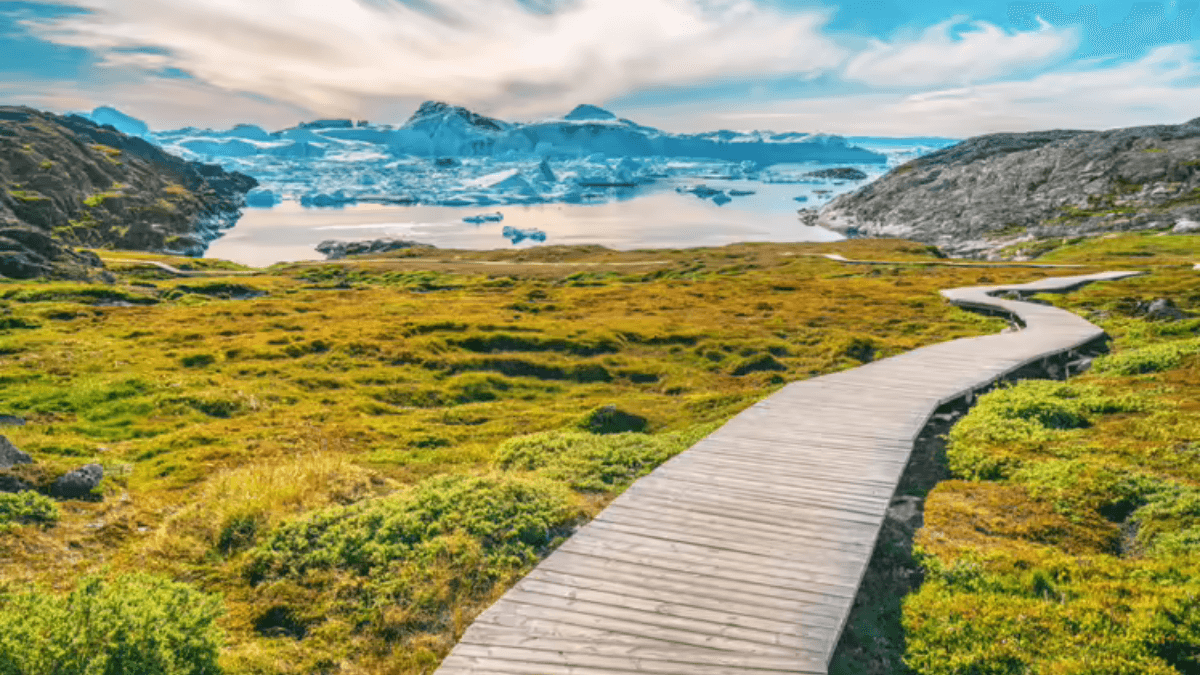
No country is completely without trees, but some nations have a forest cover close to 0%. Countries like Qatar, San Marino, and Vatican City are often listed as having the least natural forests. In icy Greenland and desert Libya, climate makes it almost impossible for trees to grow.
List of Countries with Least Trees
Some countries in the world have very few or no natural forests due to deserts, ice, or urbanisation. These nations face unique environmental conditions that make it difficult for trees to grow naturally.
Here are the names of countries with least trees:
- San Marino
- Qatar
- Greenland
- Nauru
- Oman
- Libya
- Kuwait
- Monaco
- Vatican City
- Malta
San Marino
San Marino is a very small and mountainous country in Europe. Its land is mostly used for homes, farming, and roads. Due to its size and landscape, it cannot support natural forests, though some planted greenery exists.
Qatar
Qatar is a desert country on the Arabian Peninsula. With extremely hot weather, dry soil, and very little rain, it is impossible for natural forests to grow here. Only artificial plantations are seen in some areas.
Greenland
Greenland is covered mostly by ice and snow. Its freezing Arctic climate allows only moss, shrubs, and small plants to survive. Because of these harsh conditions, natural forests cannot grow in the country.
Nauru
Nauru is a tiny island nation in the Pacific Ocean. Phosphate mining and urbanisation destroyed much of its greenery. With limited land and poor soil, natural forests cannot survive here.
Oman
Oman has a dry desert climate with very high temperatures and little rainfall. The country has no natural forest cover, only small man-made plantations in certain places.
Libya
Libya is part of the Sahara Desert in North Africa. Its extremely hot and dry conditions, along with scarce rainfall, make it impossible for natural forests to grow across the land.
Kuwait
Kuwait is a small desert country with very high temperatures and very little rainfall. Its rapid urbanisation also leaves no space for forests, so it has almost no natural tree cover.
Monaco
Monaco is one of the smallest and most crowded countries in the world. It is a city-state covered with buildings, roads, and ports. Due to lack of open land, there are no natural forests.
Vatican City
The Vatican is the world’s smallest independent country. It is fully urban, with churches, museums, and residences. With no free land, it has no natural forest cover at all.
Malta
Malta is a rocky Mediterranean island with limited soil and dry weather. Over centuries, human use of land reduced greenery. Today, it has little or no natural forest cover, only scattered planted trees.


 Who is known as the Father of Mobile Pho...
 Which is the Highest Airport in the Worl...
 Which Country is the Largest Exporter of...











