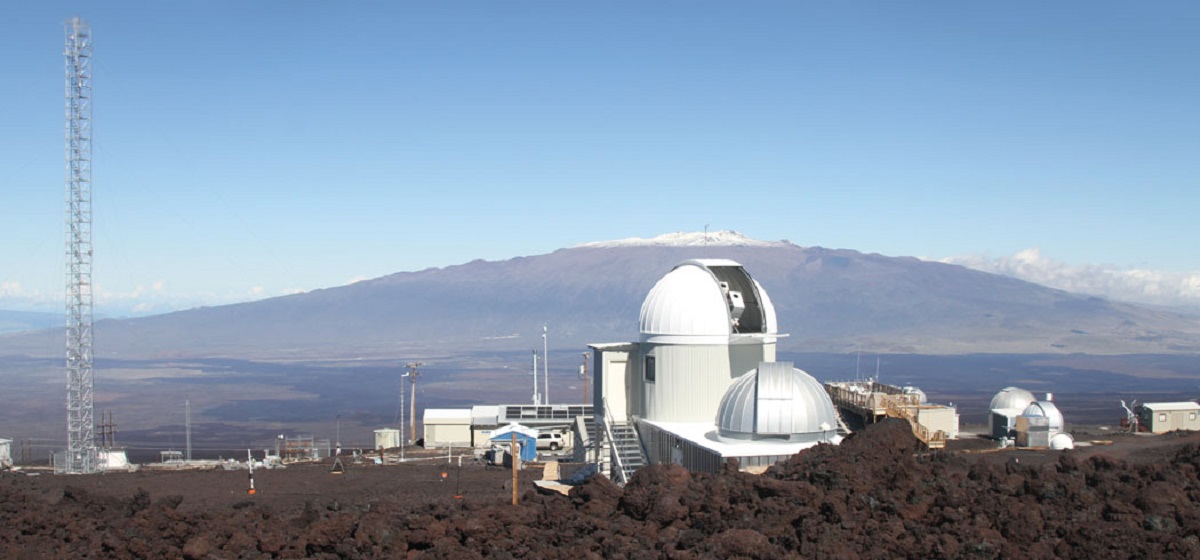
For more than 65 years, a small observatory on top of Hawaii’s Mauna Loa volcano has been measuring carbon dioxide (CO₂) in the air. This place has given us some of the most important proof that climate change is real—and caused by humans. But now, the U.S. government plans to stop funding it. That means this powerful tool for tracking climate change could be shut down.
Why Is CO₂ Important?
CO₂ is a gas that helps trap heat in the atmosphere. This is called the greenhouse effect, and it keeps Earth warm enough for life. But when there is too much CO₂, it traps too much heat—and that causes global warming. CO₂ mostly comes from burning fossil fuels like coal, oil, and gas in cars, power plants, and factories.
How Mauna Loa Helped Us See the Problem
In the 1950s, a scientist named Charles Keeling chose Mauna Loa to measure CO₂. It was far from cities and pollution, making it a perfect place to get clean air samples. In 1958, the station began collecting data. Every day, it measured the CO₂ levels in the atmosphere. This data became the famous Keeling Curve—a graph that shows CO₂ rising every year.
What Did We Learn From It?
At first, scientists saw that CO₂ levels went up in winter and down in summer. That’s because plants take in CO₂ during warm months and release it when they die.
But after a few years, something else was clear:
- CO₂ was going up overall, every year, no matter the season.
- That meant something was changing the planet—and it wasn’t just nature. Scientists confirmed it was coming from human activities, mostly burning fossil fuels.
Why This Station Matters So Much
- It has been running for 65 years, giving us one of the longest and most trusted climate records in the world.
- It shows how much CO₂ is in the air and helps us see how fast it’s rising.
- It helps scientists and governments track climate change and see if their actions to reduce emissions are working.
What Happens If It Shuts Down?
If the U.S. stops funding Mauna Loa:
- We lose accurate climate data.
- It becomes harder to know if things are getting better or worse.
- It’s like turning off your speedometer while driving—you can’t see how fast you’re going.
Some other countries, like Australia, have stations too. One is called Cape Grim, and it’s been measuring air since 1976. If Mauna Loa shuts down, stations like Cape Grim will become even more important.
Why CO₂ Levels Are a Big Deal
In the 1960s, CO₂ levels were around 320 parts per million (ppm). Today, it’s over 420 ppm—the highest in millions of years.
This sharp rise in CO₂ is what’s causing:
- Hotter weather
- Stronger storms
- Rising sea levels
- More wildfires and droughts


 Mongolia Gets New Prime Minister Amid Po...
 Myanmar Military Chief Min Aung Hlaing B...
 Costa Rica Launches Snake Identification...