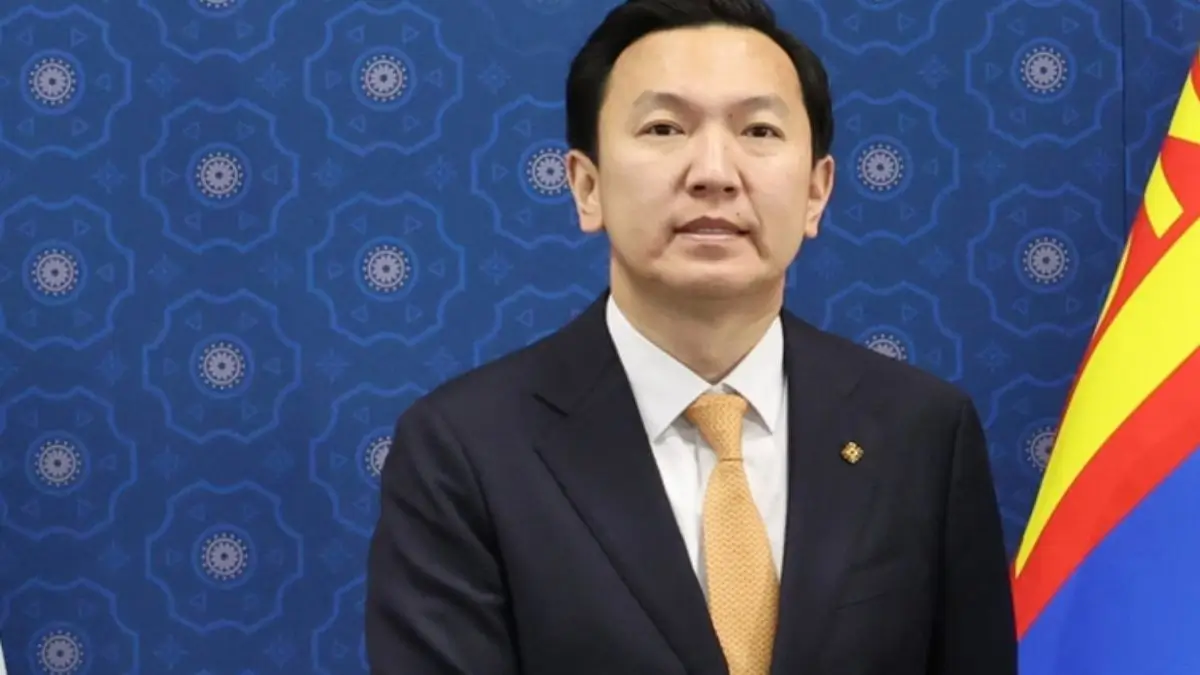
Mongolian parliament has appointed the Uchral Nyam-Osor as the country’ new Prime Minister. With this appointment it is the leadership change in span of just nine months. This decision comes after the resignation of the outgoing PM Zandanshatar Gombojav amid the rising political tensions and the legislative gridlock. Uchral have secured strong parliamentary backing and as 88 out of 107 lawmakers voties in his favor.
Why Did the Previous Prime Minister Resign?
The resignation of the Zandanshatar Gombojav was largely seen as the compromise to break the prolonged political stalemate.
The opposition’s main Democratic Party along with the some of the factions within the ruling Mongolian People’s Party had boycotted the parliamentary proceedings for the weeks.
This internal conflict had disturbed the legislative functioning of the country and forced to leadership changes to ease the tension in the country.
Who is Uchral Nyam-Osor?
At the age of 39 Mr. Uchral Nyam-Osor is considered as the relatively young and reform-oriented leader.
Before he becoming Prime Minister he also served as the,
- Speaker of Mongolia Parliament
- Also the Chairman of the Mongolian People’s Party
- And the Deputy Prime Minister and cabinet member
He is also known for his pro market and the reform-driven approach and so focus to stabilize the country amid certain tensions.
Political Instability Continuous Challenge In Mongolia
As the leadership change some of the experts believe that Mongolia’s political instability is far then it look like over.
The country has witnessed the frequent leadership changes along side the internal divisions within the ruling parties fractions.
And also the ongoing conflict between ruling government and opposition.
Upcoming Elections Add to Political Pressure
As the presidential elections in the country are scheduled for 2027.
The political competition is expected to rising and the all the leaders and parties are already positioning themselves to take the advatnage before going into the polls.
This upcoming election pressure is likely to increase the political rivalry also delay some consensus-building which can impact the governance and the policy decisions of the nation.


 Myanmar Military Chief Min Aung Hlaing B...
 Costa Rica Launches Snake Identification...
 WTO 14th Ministerial Conference Conclude...