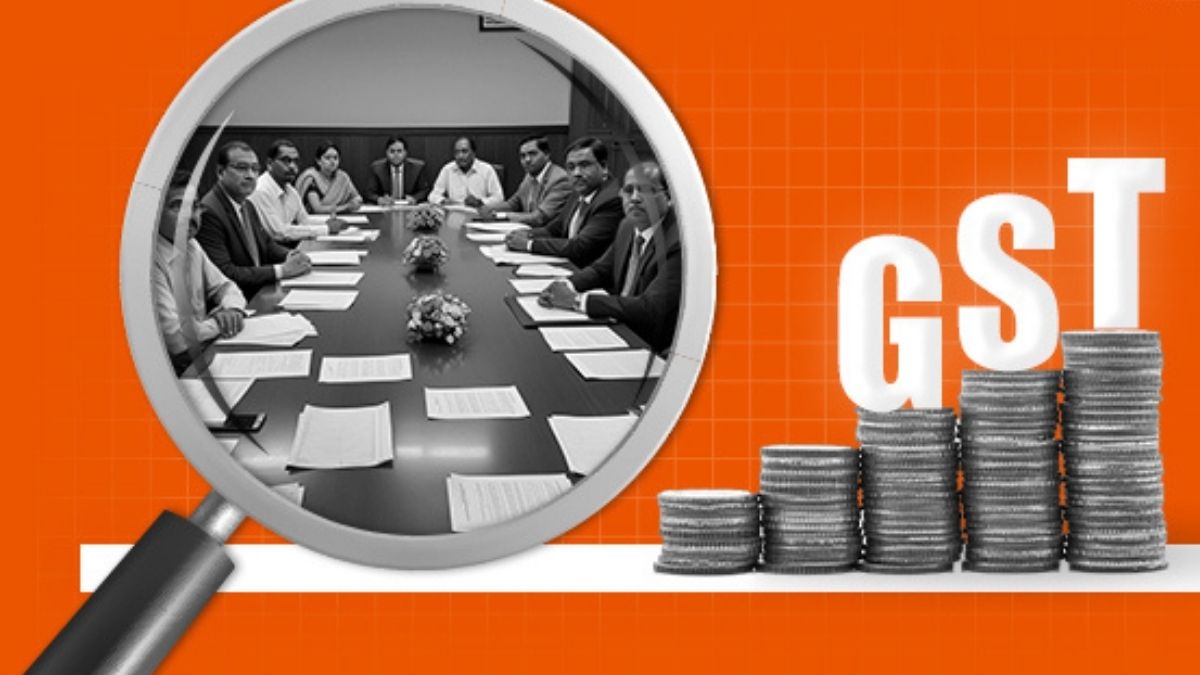
On 9 September 2025, Moody’s Ratings stated that India’s latest Goods and Services Tax (GST) reform will enhance household consumption and support economic activity. However, the credit agency also warned that the move could weaken government revenues and complicate ongoing efforts toward fiscal consolidation, particularly in the context of India’s elevated debt burden.
What’s Changing: India’s New Two-Slab GST Structure
- The GST Council’s recent decision to restructure the tax system into two key slabs—5% and 18%—plus a special 40% rate for luxury items and tobacco, marks a major shift in indirect taxation.
- The new GST rates take effect from 22 September 2025
- Tobacco products will remain under the current 28% GST + cess until 31 December 2025
- The aim is to simplify taxation, reduce compliance burdens, and make consumption more affordable
According to Moody’s, this reform complements the higher income tax thresholds introduced earlier in February 2025, which exempted many middle-income earners and lowered liabilities for others.
Why It Matters: Impact on Consumption and Inflation
Household spending makes up 61% of India’s GDP, making it a critical driver of economic growth. The latest GST reforms are expected to,
- Lower effective GST rates on most goods and services
- Ease inflationary pressures by reducing retail prices
- Boost private consumption, especially among middle- and lower-income households
This shift is strategically aligned with the government’s broader fiscal policy objective of enhancing consumer demand, thereby supporting growth in a slowing global economic environment.
Fiscal Implications: Revenue Loss and Deficit Risks
Despite the positive outlook on consumption, Moody’s warned that the GST reform will have a significant revenue cost,
- Estimated revenue loss of ₹48,000 crore (USD 5.4 billion) in FY 2025–26
- Gross tax revenue growth slowed to just 0.8% YoY in the first four months of the current fiscal, down from 21.3% in the same period last year
- Government expenditure, meanwhile, rose by 20.2%, expanding the fiscal deficit to ₹4.7 trillion, up from ₹2.8 trillion
These figures underline the growing fiscal imbalance, even as the government tries to support households through tax cuts and welfare spending.
India’s Debt Burden: A Rising Concern
Moody’s also drew attention to India’s debt affordability, calling it the weakest among investment-grade sovereigns. Key indicators include,
- Interest payments account for 23% of general government revenue
- The Baa-rated median for other countries stands at just 8.3%
- Continued revenue-eroding policies like GST rationalisation could worsen debt dynamics without compensatory fiscal measures
While Moody’s acknowledges that government spending may slow in coming quarters to aid fiscal consolidation, the path ahead remains complex, especially with expanding welfare expectations and limited tax room.
Important Takeaways
Moody’s assessment of India’s GST reform offers a nuanced view: while it stimulates household spending and could help tame inflation, it also poses serious challenges for fiscal health and debt management. As India continues balancing economic stimulus with revenue sustainability, policy makers must find a middle path between short-term growth and long-term stability.
- GST Reform Date: Effective from 22 September 2025
- Structure: Two main slabs (5% and 18%) + special 40% for ultra-luxury goods
- Revenue Loss Estimate: ₹48,000 crore in FY 2025–26
- Fiscal Deficit: ₹4.7 trillion (up from ₹2.8 trillion)
- Interest-to-Revenue Ratio: 23% (vs. global Baa median of 8.3%)
- Goal: Stimulate consumption, ease inflation, but risks higher debt


 World Bank Projects India to Drive South...
 RBI MPC Meeting 2026, Kept Repo Rates Un...
 India's Major Ports Handle Record 915.17...