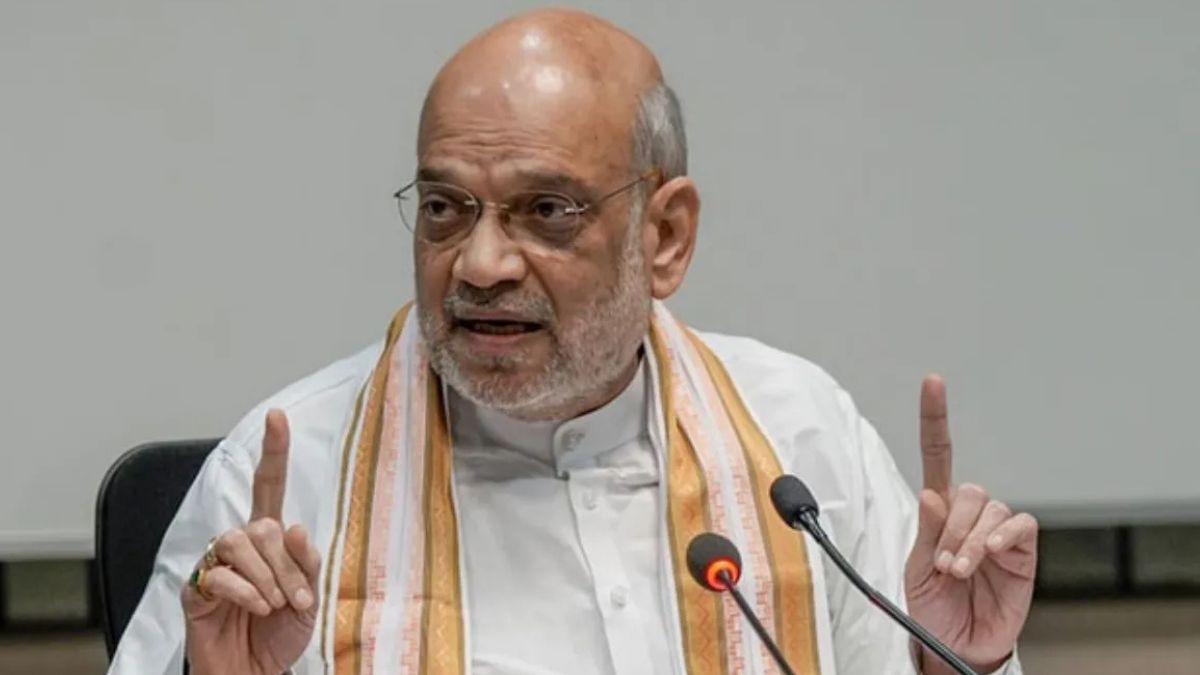
Union Home Minister and Minister of Cooperation Shri Amit Shah unveiled the National Cooperation Policy – 2025 in New Delhi. This landmark policy seeks to redefine and revitalize India’s cooperative movement with the goal of achieving ‘Sahkar Se Samriddhi’ (Prosperity through Cooperation). Rooted in the spirit of inclusivity and grassroots empowerment, the policy is both visionary and pragmatic, aiming to make the cooperative sector a vital engine of national economic and social development by 2047.
Background
India’s first National Cooperative Policy was introduced in 2002 under the leadership of Atal Bihari Vajpayee. The Ministry of Cooperation, formed in 2021 under Prime Minister Narendra Modi, sought to elevate the cooperative sector from its neglected status. Recognizing its vast potential to democratize the economy, the government appointed a 40-member drafting committee led by Shri Suresh Prabhu, which consulted widely with stakeholders and submitted the new policy after considering 750+ suggestions and engaging with institutions like RBI and NABARD.
Significance
- Tripling the cooperative sector’s contribution to GDP by 2034
- Bringing 50 crore citizens into active cooperative participation
- Creating employment opportunities through modernized cooperative models
- Bridging the rural-urban economic divide
- Empowering women, Dalits, tribals, and youth in the development process
- Shifting public perception: “The future belongs to cooperation”
Objectives of the National Cooperation Policy – 2025
- Inclusive Development: Focus on rural communities, agriculture, and marginalized groups.
- Employment Generation: Encourage youth participation and skill development.
- Sectoral Expansion: Enter new sectors like tourism, taxi services, insurance, and green energy.
- Institutional Strengthening: Ensure professional, transparent, and accountable cooperative societies.
- Widespread Coverage: Establish at least one cooperative in every village and five model cooperative villages per tehsil.
Key Features
1. Grassroots Empowerment
- Target of one cooperative per panchayat (e.g., PACS, dairy, fisheries).
- Establishment of five model cooperative villages per tehsil via state cooperative banks.
- Participation of women through White Revolution 2.0.
2. Youth-Centric and Tech-Enabled Cooperatives
- Introduction of ‘Sahkar Taxi’ where profits go directly to drivers.
- Focus on technology-driven transparent management systems.
- Establishment of Tribhuvan Sahkari University to train cooperative professionals.
3. Sectoral Diversification
- Entry into insurance, taxi, tourism, LPG distribution, and green energy.
- Expansion of PACS into Jan Aushadhi Kendras, petrol pumps, tap water schemes, and solar energy.
4. Robust Monitoring and Legal Framework
- 83 intervention points, with 58 completed, 3 fully implemented, and others in progress.
- Cluster and monitoring system for transparency and accountability.
- Provision for legal amendments every 10 years to maintain policy relevance.
5. Institutional Support and Export Potential
- National Cooperative Exports Limited to access global markets.
- Equal treatment for scheduled cooperative banks on par with commercial banks.
- Promotion of “Cooperation Amongst Cooperatives”.


 ECINet KYC Feature Explained: How Voters...
 BIRAC-BioNEST Incubation Centre Inaugura...
 E20 Petrol India 2026: Nationwide Rollou...