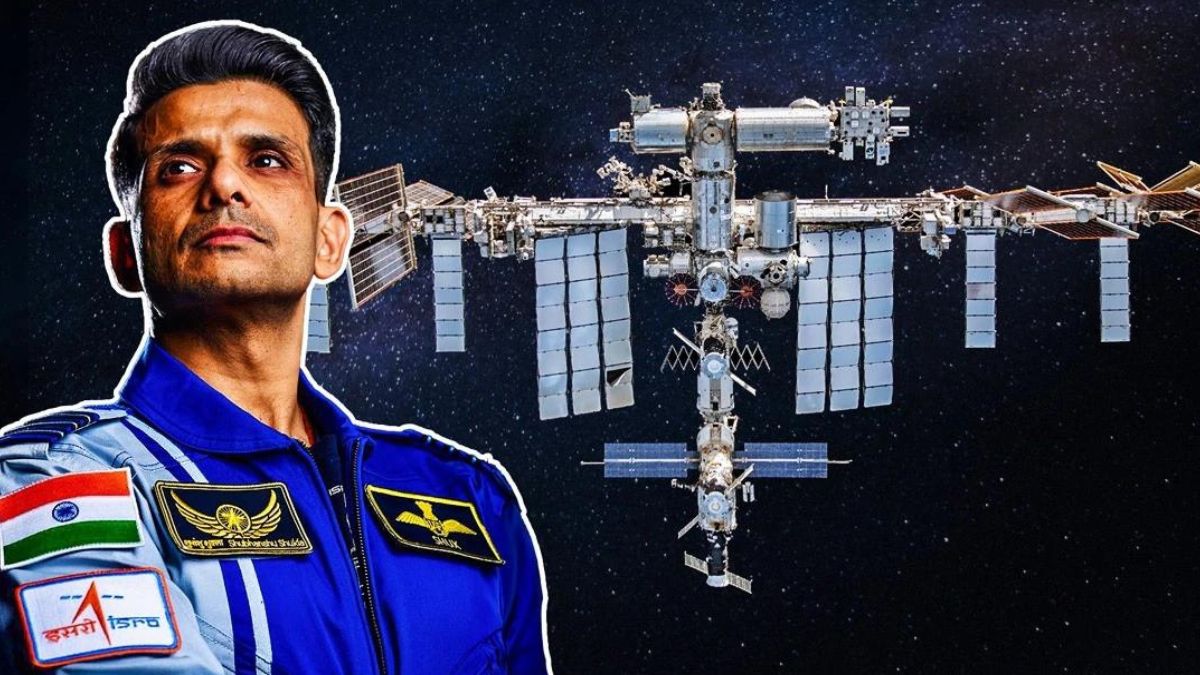
In a landmark step to make school education more contextual, contemporary, and rooted in national identity, the National Council of Educational Research and Training (NCERT) is set to introduce new curriculum modules highlighting Group Captain Shubhanshu Shukla’s space mission and India’s Operation Sindoor, a decisive military action. These modules aim to educate students about India’s growing strength in defence, diplomacy, space exploration, and sustainability.
Background of the Curriculum Push
The modules are being developed under the guidance of the Ministry of Education and will be included in the syllabi of Classes 3 to 12. Senior officials have confirmed that the content is currently under development and will be rolled out soon after completion.
The initiative reflects the government’s vision of providing students with an understanding of national achievements, security challenges, and scientific advancements, while instilling pride in India’s growing stature on the world stage.
Focus on Group Captain Shubhanshu Shukla
One of the key highlights is Group Captain Shubhanshu Shukla’s achievement of becoming the first Indian astronaut aboard the International Space Station (ISS) as part of Axiom Mission 4. His inclusion is intended to ignite scientific curiosity among students and encourage them to pursue careers in aerospace, space research, and technology.
The modules will also cover India’s landmark space missions such as Chandrayaan, Aditya L1, and other significant achievements, reinforcing the country’s emergence as a global space power.
Operation Sindoor: Teaching Strategic Defence
The curriculum will also feature Operation Sindoor, a swift and decisive military reprisal undertaken to safeguard India’s sovereignty. While operational details will remain classified, the case study will serve as a powerful lesson in,
- The role of defence forces in protecting national integrity.
- The importance of inter-ministerial coordination in times of crisis.
- The decisive leadership required during national security challenges.
- This section aims to help students understand how strategic decisions are made and executed for the protection of the nation.
Additional Themes in the Curriculum
Mission LiFE for Sustainable Living
In addition to defence and space, the modules will highlight Mission LiFE (Lifestyle for Environment), the flagship initiative of the Ministry of Environment, Forest and Climate Change. It will educate students about the importance of sustainable living practices, climate change mitigation, and maintaining ecological balance.
Partition: Lessons from History
Another component of the new curriculum will address the Partition of India, presenting its hardships and long-lasting impact. This module aims to foster historical understanding and empathy while teaching resilience and unity in the face of adversity.
Structure of the Modules
The curriculum will have two sets of modules,
- For Classes 3 to 8, designed in a simple format for younger learners.
- For Classes 9 to 12, with more detailed content and analytical perspectives.
- Each module will span 8–10 pages and use case studies to make the topics more engaging and relatable for students.


 Gurgaon Tops the List of India's Most Po...
 Parliament Rejects Impeachment of Chief ...
 Against All Odds: Indian Cyclist Divya S...