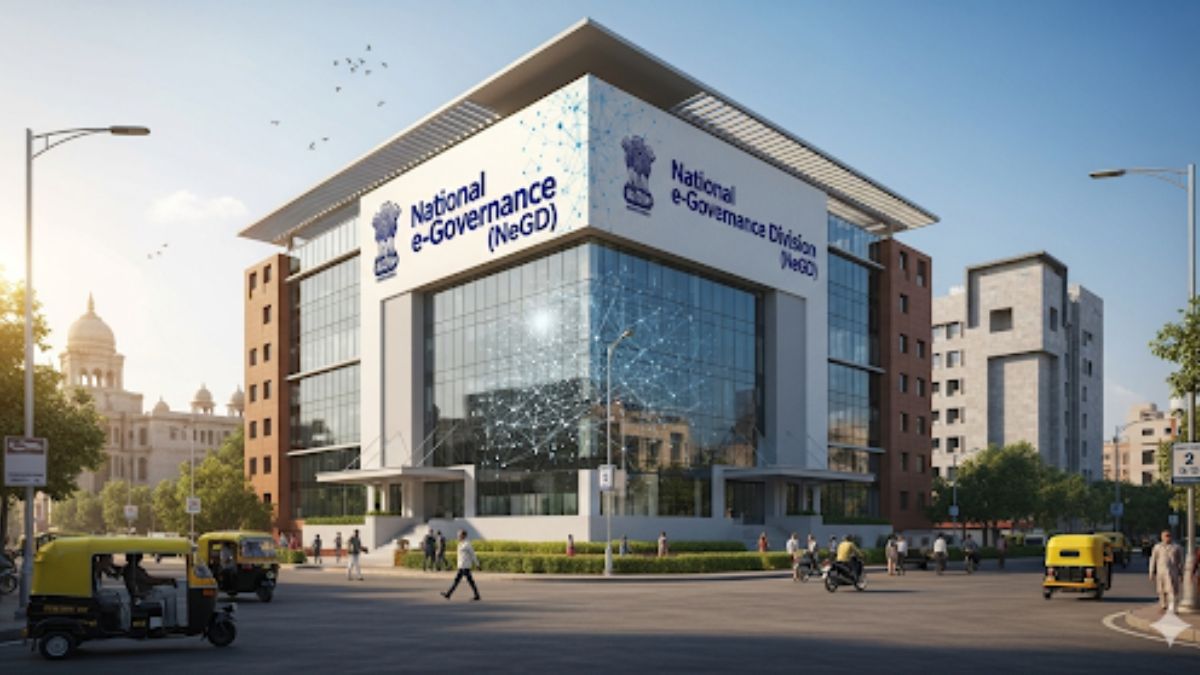
In a major boost to India’s Digital India initiative, the National e-Governance Division (NeGD) under the Ministry of Electronics and Information Technology (MeitY) has successfully integrated 1,938 e-Government services across all 36 states and union territories on platforms like DigiLocker and e-District. This achievement marks a significant step in ensuring easy, equitable, and transparent access to essential public services for all citizens.
Expanding Digital Governance Across India
Seamless Citizen Access
Through this integration, Indian citizens can now digitally access a wide array of services such as,
- Birth and caste certificates
- Welfare scheme applications
- Electricity and water bill payments
- Income, domicile, and marriage certificates
All of these services are now available round-the-clock, reducing the need for physical visits and paperwork while enhancing service delivery efficiency.
State-wise Leaders in Service Integration
Among the 1,938 services integrated, the top contributing states are,
- Maharashtra: 254 services
- Delhi: 123 services
- Karnataka: 113 services
- Assam: 102 services
- Uttar Pradesh: 86 services
This widespread adoption reflects state-level digital readiness and commitment to transforming public service delivery.
Platforms Powering e-Governance
DigiLocker
DigiLocker is a secure cloud-based platform that enables users to store and access digital documents issued by government departments and private institutions. It plays a vital role in enabling paperless governance, especially in education, transport, and legal verification.
e-District
e-District is designed to digitize district-level administrative services. It supports citizens in obtaining official documents and applying for local schemes, ensuring that rural and urban populations alike benefit from digital governance.
Future of e-Government Services
The NeGD plans to expand and refine its digital service portfolio by adopting emerging technologies, including Artificial Intelligence (AI). This transition will enable,
- Smarter public service recommendations
- Predictive and personalized government interactions
- Streamlined approval processes through automation
AI will also help ensure greater inclusion, enabling underserved communities to access government support more effectively.


 India Withdraws Its Plan to Host COP33 S...
 IIM Rohtak Wins BIMTECH's 'Hermes' Dialo...
 Gurgaon Tops the List of India's Most Po...