
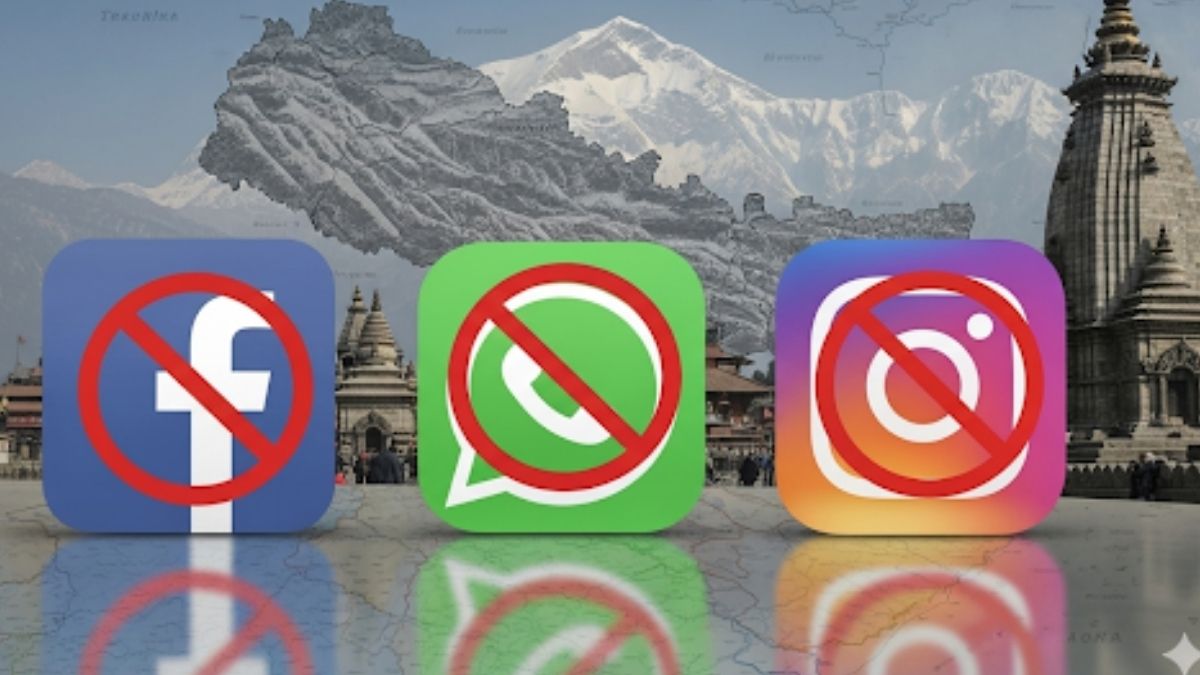
The Nepal government has officially lifted its controversial ban on major social media platforms such as Facebook, X (formerly Twitter), and YouTube, following violent nationwide protests that left 19 people dead and hundreds injured. The protests, driven primarily by Generation Z activists, erupted after authorities blocked access to 26 digital platforms over regulatory non-compliance.
Background: The Social Media Crackdown
- The ban was implemented under the pretext that these platforms failed to register with local authorities and comply with Nepalese internet regulations. However, the abrupt nature of the restrictions drew immediate backlash, particularly from youth who rely heavily on digital communication for education, work, and activism.
- The blocking of these platforms without transparent consultation was seen as an attack on freedom of expression, triggering street demonstrations that quickly spiraled into violent confrontations with security forces.
The Protests and Casualties
- The protests began in Kathmandu and rapidly spread to other urban centers.
- Tens of thousands of Gen Z protesters—many of them students and young professionals—took to the streets demanding restoration of digital access.
- Clashes between protesters and riot police near Parliament House led to the death of 19 people, while several hundred others were injured in the ensuing violence.
- The protests became one of the most intense youth-led uprisings in Nepal’s recent history.
Government Response and Reversal
After a late-night emergency Cabinet meeting, Minister for Communication, Information and Broadcasting Prithvi Subba Gurung announced that the government had revoked the ban. He stated that,
- The Ministry of Information had instructed all agencies to resume access to social media platforms immediately.
- The government recognized the legitimate concerns raised by the youth and expressed its willingness to engage in dialogue rather than suppression.
Gurung also urged the Gen Z protest groups to withdraw their protest campaigns, assuring them of the government’s commitment to reviewing digital regulation frameworks in consultation with stakeholders.


 Iran–US Ceasefire: Iran’s 10 Conditions ...
 Russia and China Veto UN Resolution to R...
 France Hosts One Health Summit Under G7 ...











