
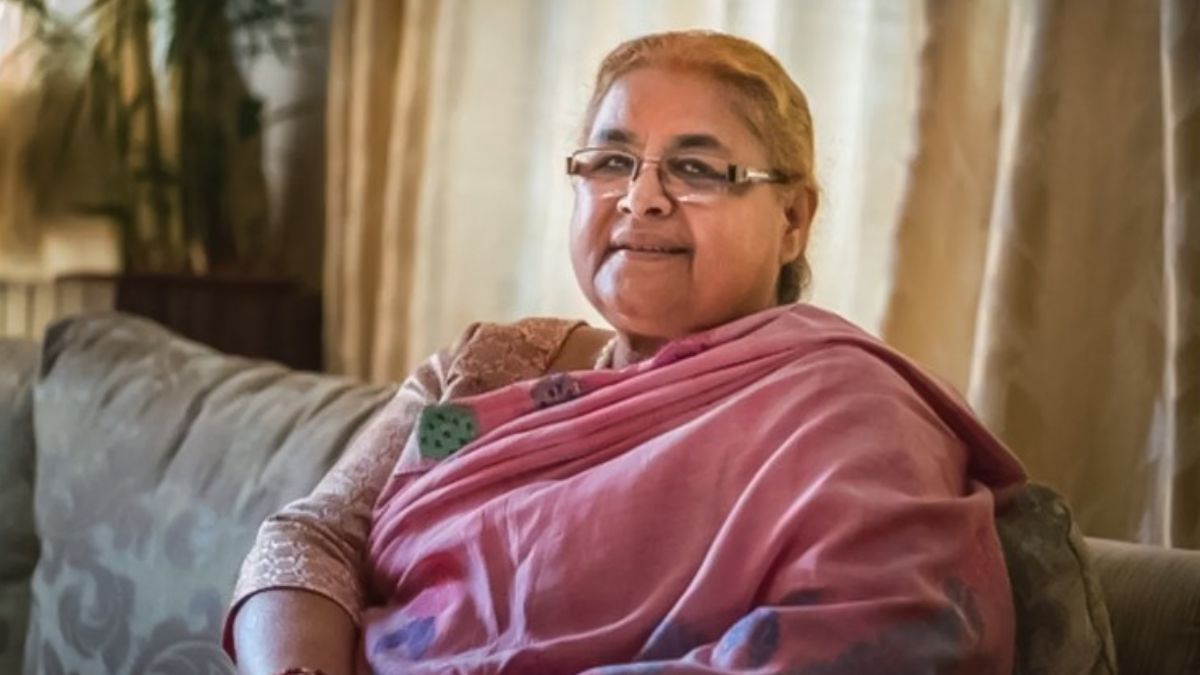
In a historic political shift, Sushila Karki, Nepal’s first female Chief Justice, is set to become the country’s first woman Prime Minister after being chosen as the interim leader by Gen-Z protest groups. The decision follows a youth-led uprising that forced the resignation of former PM KP Sharma Oli and dismantled Nepal’s entrenched political order.
Karki, 73, was sworn in on 12th September 2025, following an agreement between President Ran Chandra Paudel, the Nepali Army leadership, and Gen-Z representatives.
The Gen-Z Revolt
- The uprising, largely led by young Nepalis frustrated with corruption and governance failures, escalated after the government attempted to impose a ban on social media platforms.
- Protests turned violent, resulting in over 30 deaths and 1,000+ injuries.
- The revolt forced widespread resignations from older political leaders, marking a generational shift in Nepalese politics.
- Key alternative names considered for leadership included Kathmandu Mayor Balendra Shah (Balen) and Kulman Ghising, former chief of Nepal Electricity Authority.
- Ultimately, Sushila Karki emerged as a consensus choice due to her clean image, anti-corruption record, and public credibility.
Who is Sushila Karki?
Born: 7 June 1952, Biratnagar, Nepal.
Education
- BA, Mahendra Morang Campus, Nepal (1972)
- MA (Political Science), Banaras Hindu University, India (1975)
- LLB, Tribhuvan University, Nepal (1978)
- Legal Career: Began in 1979; became Senior Advocate in 2007.
Judiciary
- Appointed ad-hoc Supreme Court Judge in 2009, permanent judge in 2010.
- Served as Nepal’s first female Chief Justice (July 2016 – June 2017).
- Known for zero-tolerance against corruption, which brought her into conflict with political elites.
- Faced impeachment attempts in 2017 but completed her tenure.
- Her fearless stance against corruption and reputation for judicial independence made her the ideal figure for Nepal’s current transition.
Her Role as Interim Prime Minister
Karki will primarily focus on,
- Stabilising Nepal after weeks of unrest.
- Conducting free and fair elections within the next 6–12 months.
- Restoring public trust in governance by prioritising transparency and accountability.
- She assumes office with broad popular support, though challenges remain in navigating Nepal’s deep political divisions, economic slowdown, and fragile democratic institutions.
Regional and International Significance
- Nepal, located between India and China, holds a strategic geopolitical position in South Asia.
- Karki’s leadership signals a generational and gender milestone, potentially inspiring greater women’s political participation in South Asia.
- The shift may also affect India–Nepal relations, as Karki studied in India and maintains academic ties, which could strengthen bilateral cultural diplomacy.
Important Takeaways & Static Facts
- Name: Sushila Karki
- Position: Interim Prime Minister of Nepal (first woman PM)
- Sworn in: 12 September 2025 (Expected)
- Chosen by: Gen-Z protest leaders, Nepali Army, and President Ran Chandra Paudel
- Predecessor: KP Sharma Oli (resigned after protests)
- Main Role: Guide Nepal to elections within 6–12 months
- Background: First woman Chief Justice of Nepal (2016–2017)


 Mongolia Gets New Prime Minister Amid Po...
 Myanmar Military Chief Min Aung Hlaing B...
 Costa Rica Launches Snake Identification...











