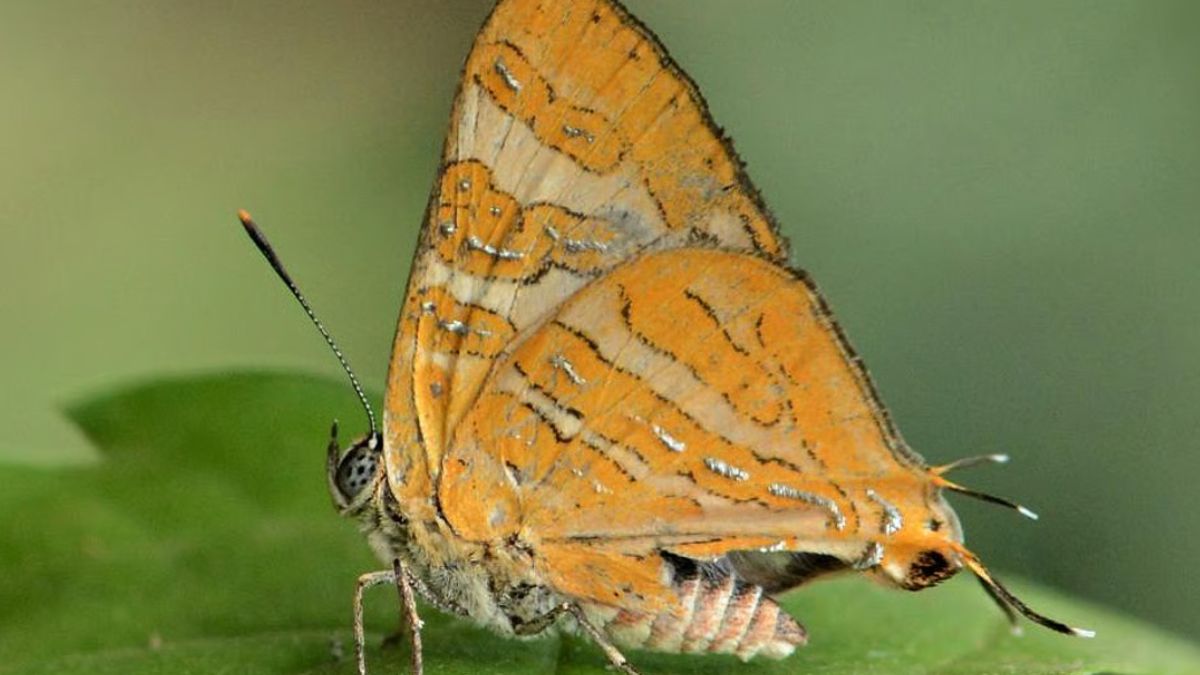
A team of Indian scientists has discovered a new butterfly species named Zographetus mathewi in the Western Ghats of Kerala. The butterfly, found in low-elevation forests, is unique to this region and adds to India’s rich wildlife diversity. This rare discovery highlights the importance of studying and protecting the Western Ghats, a globally recognized biodiversity hotspot.
Discovery and Scientific Study
The butterfly was discovered by experts from the Travancore Nature History Society, the Institute of Tropical Research, Ecology and Conservation, and the Zoological Survey of India. At first, scientists thought it was a known species called Zographetus ogygia. However, after closely studying its wing patterns and genital structures, they confirmed it as a new species. The detailed research was published in the journal Entomon.
Naming and Features
This newly found species, Zographetus mathewi, is the 15th in its genus and the fifth found in India. It belongs to the Zographetus satwa group, known for its special wing features and male traits. The butterfly is named in honour of George Mathew, a respected Indian entomologist. Its common name is the Sahyadri Spotted Flitter, referring to the local name for the Western Ghats—Sahyadri.
Appearance and Habitat
The butterfly is known for its yellow-ochre hindwing, hairy forewings, and swollen forewing veins in males. These features make it different from other similar butterflies. It lives in forests below 600 metres in Kerala. Its larvae feed on a legume vine called Aganope thyrsiflora. While adult butterflies are rare to spot, scientists found several larvae and pupae in places like Kallar, Shendurney, Edamalayar, and Nilambur, showing that it may be more common than previously thought.
Importance of the Discovery
The discovery of Zographetus mathewi shows the hidden biodiversity in the Western Ghats and underlines the need to protect these low-elevation forests. It also highlights the importance of detailed field research and scientific observation in identifying new species. Such findings can help boost conservation efforts and increase awareness about protecting rare wildlife.


 Meet MAI-Transcribe-1: Microsoft’s Fast,...
 What is Outer Space Treaty 1967? Princip...
 What Is Mission Mitra? ISRO’s New Experi...