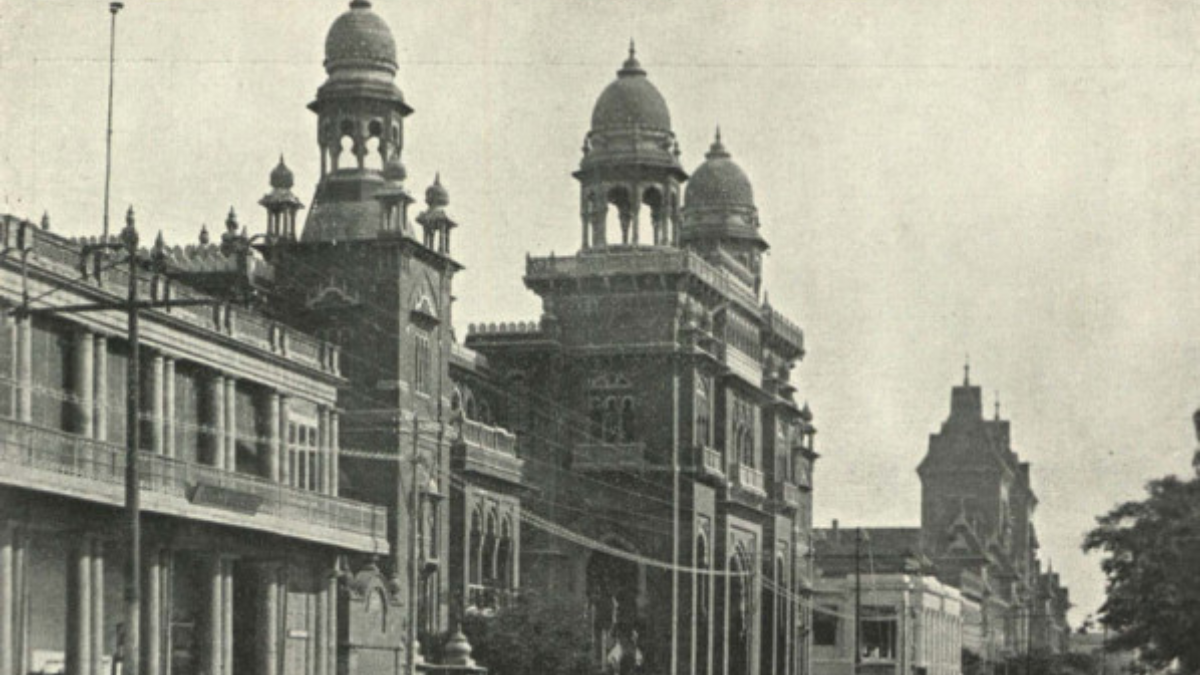
Banking in India has a long and fascinating history that goes back more than two centuries. The earliest banks were set up during the time of the British, mainly to serve traders, merchants, and government officials. Over time, these banks grew, merged, and transformed into institutions that shaped India’s financial system. Among them, one bank holds the title of being the oldest in the country.
Oldest Bank of India
The Madras Bank, founded in 1683, is considered the very first bank in India. It was set up in the Madras Presidency (now Chennai) to meet the financial needs of British traders and the East India Company.
- The bank continued for more than a century before it merged with the Bank of Madras in 1843.
- Later, through more mergers, it became part of the Imperial Bank of India, which finally evolved into the State Bank of India (SBI).
Though the Madras Bank does not exist today, its legacy lives on in SBI, India’s largest public sector bank.
Top-10 Oldest Banks of India
After the Madras Bank, several other banks came into existence across different presidencies. Some survived for only a short time, while others eventually merged into bigger institutions. Here are some of the oldest banks:
| Rank | Bank Name | Year Founded | Status |
| 1. | The Madras Bank | 1683 | Merged into Bank of Madras and later became part of SBI |
| 2. | Bank of Bombay | 1720 | Closed in 1770 |
| 3. | Bank of Hindustan | 1770 | Liquidated in 1832 |
| 4. | General Bank of Bengal and Bihar | 1773 | Closed in 1791 |
| 5. | Bengal Bank | 1784 | Closed in 1791 |
| 6. | General Bank of India | 1786 | Closed in 1781 |
| 7. | Carnatic Bank | 1788 | Merged into Bank of Madras and later became part of SBI |
| 8. | British Bank of Madras | 1795 | Merged into Bank of Madras and later became part of SBI |
| 9. | The Asiatic Bank | 1804 | Merged into Bank of Madras and later became part of SBI |
| 10. | Bank of Calcutta (later Bank of Bengal) | 1806 | Merged into Imperial Bank which is now SBI |
The Role of Presidency Banks
By the 19th century, three major presidency banks came up:
- Bank of Bengal (1806, Calcutta)
- Bank of Bombay (1840, Bombay)
- Bank of Madras (1843, Madras)
These banks were powerful financial institutions and even issued their own currency before the RBI was formed. In 1921, the three presidency banks merged to form the Imperial Bank of India, which later became State Bank of India in 1955.
Legacy and Modern Banking
The early banks of India were not just financial houses; they were key players in trade, credit, and colonial administration. While many of them do not exist today, they shaped the economic history of India.
- The Madras Bank (1683) holds the title of India’s first bank.
- State Bank of India (1806 origin as Bank of Calcutta) is the oldest bank still functioning today.
Together, they represent the journey of Indian banking from colonial times to the modern financial system.


 What is National Investigation Agency? C...
 Which State is the Largest Petroleum Pro...
 Largest Crude Oil Supplier Countries to ...