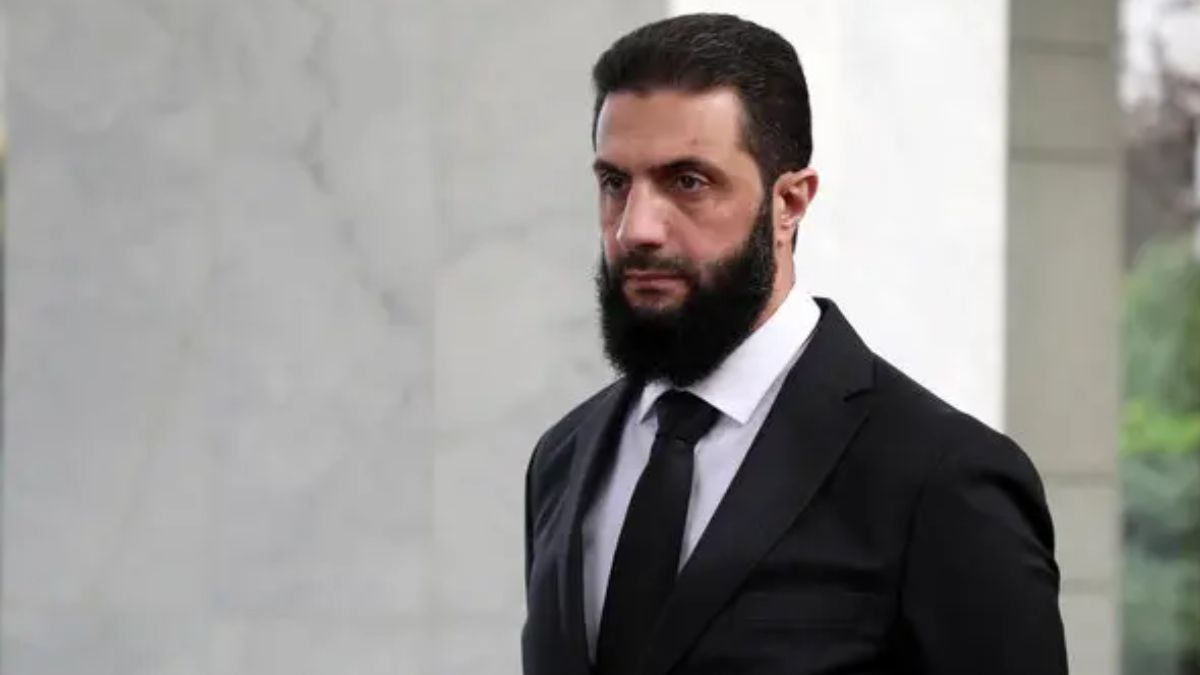
Syria will conduct its first parliamentary elections since the fall of Bashar al-Assad between 15 and 20 September 2025, marking a crucial step in the nation’s political transition. The polls, announced amid violent sectarian unrest in the Sweida province, will take place under the leadership of interim President Ahmad al-Sharaa.
Background
In December 2024, the Assad regime collapsed following a swift rebel offensive, ending over two decades of Bashar al-Assad’s rule. A temporary constitution, signed in March 2025, established a transitional framework under President Ahmad al-Sharaa. The constitution provided for a People’s Committee to function as a provisional parliament until a permanent constitution and general elections are adopted.
Significance
The upcoming elections are viewed as a test of Syria’s fragile post-war democracy. They represent the first opportunity for Syrians to shape their legislature in the post-Assad era. However, the polls are being organized in the shadow of sectarian violence, making their credibility and inclusiveness crucial for the success of Syria’s transition to stability.
Objectives
The primary objective of the elections is to establish a representative People’s Assembly capable of guiding the country during its transitional phase. One-third of the 210 parliamentary seats will be appointed by the interim president, while the remaining seats will be filled through elections supervised by electoral colleges across Syrian provinces.
Key Features
- Election Dates: Between 15 and 20 September 2025.
- Total Seats: 210 in the People’s Assembly.
- Seat Division: One-third appointed by President al-Sharaa; two-thirds elected.
- Electoral Colleges: Established in every Syrian province for voting.
- Oversight Body: Higher Committee for People’s Assembly Elections, headed by Mohammed Taha al-Ahmad.
Challenges
The elections face significant challenges. Recent sectarian violence in Sweida left over 1,100 dead and highlighted deep divisions between armed Bedouin clans and the Druze minority. Reports of Syrian government forces siding with clans and committing atrocities have worsened tensions. Additionally, Israeli airstrikes against Syrian government forces have further destabilized the region, raising questions about whether the polls can be conducted freely and peacefully.


 Russia and China Veto UN Resolution to R...
 France Hosts One Health Summit Under G7 ...
 Newcastle Disease Spread in Europe 2026:...