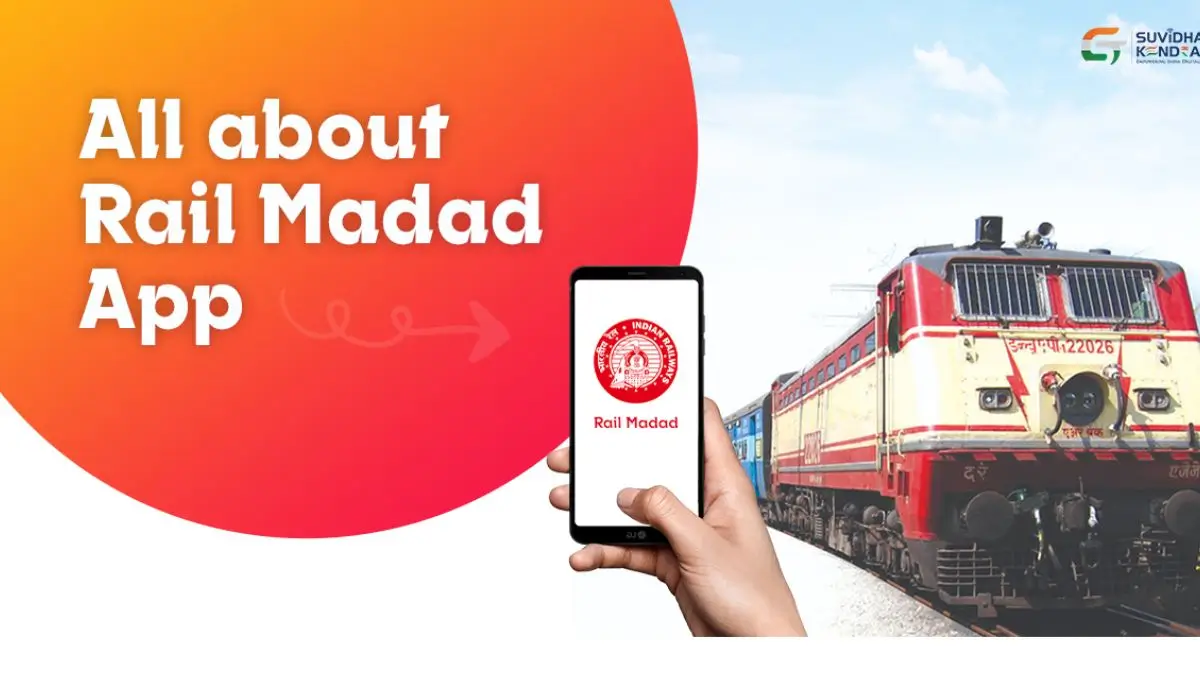
Indian Railways has integrated Artificial Intelligence (AI) into seven key passenger-facing applications to improve grievance redressal, ticket confirmation prediction, housekeeping services, and crowd management. The initiative, led by the Centre for Railway Information Systems (CRIS), was highlighted at the AI India Summit 2026 in New Delhi. The new AI-enabled apps aim to ensure safer passenger flow, faster complaint resolution, and more efficient train operations across the country.
AI in RailMadad & RailOne: Smarter Passenger Services
Indian Railways AI apps now include intelligent upgrades in,
- RailMadad – AI classifies and prioritises complaints based on urgency and type.
- RailOne – AI predicts waiting ticket confirmation percentage more accurately.
- Coach Mitra – AI supports onboard housekeeping services (currently operational in 74 trains).
According to G V L Satya Kumar, Managing Director of CRIS, AI in RailMadad also identifies complaint trends and gauges passenger sentiment. Integration with Bhashini allows voice-to-text conversion in 12 languages, enhancing accessibility and multilingual grievance reporting.
CRIS Expands AI Integration Across 15 More Applications
The Centre for Railway Information Systems (CRIS), the technological arm of Indian Railways, is embedding AI into 15 additional systems, including,
- Generation of Optimised and Automated Loco Links (GOAL)
- Coaching Crew Link Management System (CCLMS)
- Track Management System
- These upgrades aim to increase freight loading efficiency, improve train operations, and enhance safety mechanisms.
AI for Railway Crowd Management & Bottleneck Prediction
A major innovation is the railway crowd management AI system.
The system will merge,
- Reserved ticketing data
- Unreserved ticketing data
- Train movement data
It will predict which platform will experience heavy crowding on an hourly basis. AI will correlate ticket purchase timestamps with train schedules to map footfall density.
Importantly, the system will identify potential bottlenecks at station entry points and foot over bridges before congestion occurs. It will also adjust predictions for,
- Festivals
- Special events
- Weekend travel surges
This proactive approach ensures safer passenger flow and reduced accident risks.
AI in Predictive Maintenance & Safety
- CRIS is also building an AI-based incident prediction model using historical failure data.
- Instead of reactive maintenance after breakdowns, the system will predict which assets tracks, locomotives, wagons, signalling systems require repair in advance.
- This shift from reactive to predictive maintenance will enhance railway safety and reduce operational disruptions.
AI to Boost Freight Loading Using GST Data
- Indian Railways is also leveraging GST data to map commodity movement across India.
- AI has helped identify around 300 freight clusters where railway freight services can expand.
- The goal is to accelerate the shift from road to rail freight, increasing efficiency and reducing logistics costs.
Static facts
- Technological Arm of Indian Railways: CRIS
- Event Announcement: AI India Summit 2026
- AI-enabled Apps: RailMadad, RailOne, Coach Mitra
- Languages Supported via Bhashini: 12
- Freight Clusters Identified: 300
- Coach Mitra Operational Trains: 74
Question
Q. Which organisation is the technological arm of Indian Railways responsible for AI integration?
A) IRCTC
B) CRIS
C) RITES
D) NITI Aayog


 E20 Petrol India 2026: Nationwide Rollou...
 NCERT Gets ‘Deemed University’ Status: W...
 India Ranks 3rd Globally in Renewable En...