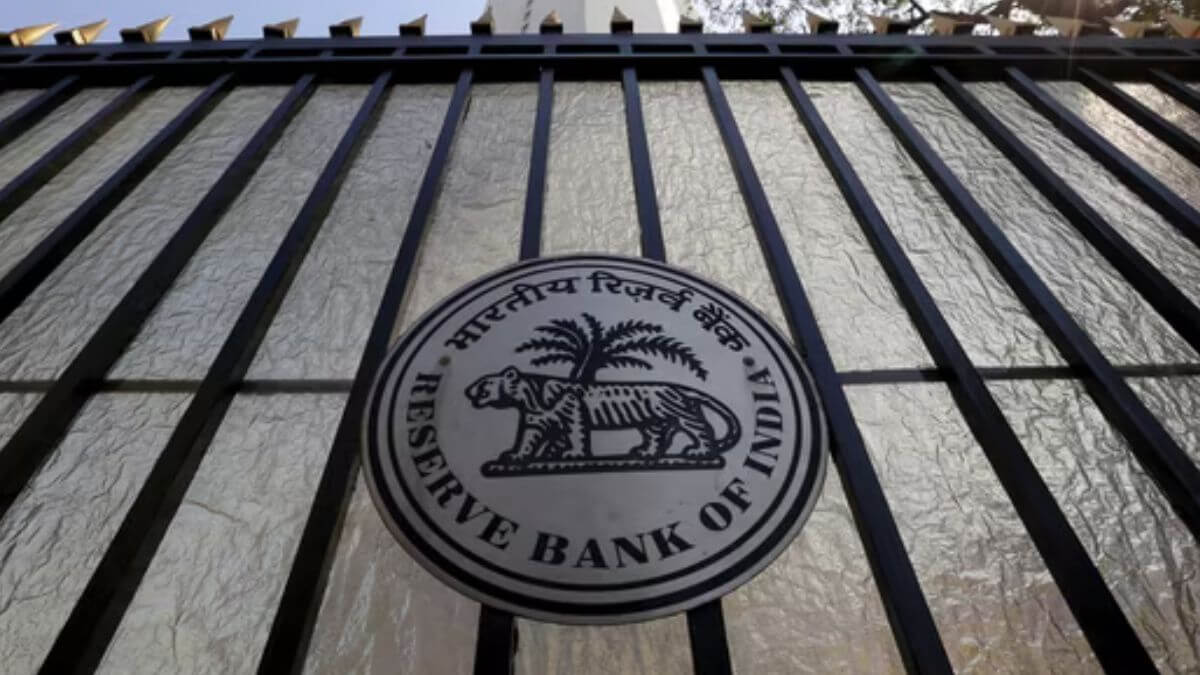
As India braces for the impact of the newly announced 50% US tariffs, particularly on labour-intensive exports, Reserve Bank of India (RBI) Governor Sanjay Malhotra has assured timely policy intervention to safeguard economic growth and sectoral stability. Speaking at the FICCI-IBA annual banking conclave, Malhotra emphasized that the RBI remains ready to respond if these external shocks begin to burden India’s growth momentum.
RBI’s Assurance of Liquidity and Growth Support
Prepared to Act as Needed
Governor Malhotra stated that the RBI will take all necessary steps to ensure economic growth is not derailed. He reaffirmed the central bank’s commitment to,
- Support impacted sectors, especially those disproportionately affected by the US tariffs.
- Maintain ample liquidity in the banking system to facilitate credit growth.
- Collaborate with other policy instruments if adverse effects intensify.
This proactive stance reflects the RBI’s intent to balance inflation control with growth facilitation, especially in times of global trade disruptions.
Sluggish Credit to Industry: A Concern
Weakest Industrial Loan Growth Since 2022
According to RBI data,
- Loans to industry rose by 5.49% year-on-year, reaching Rs 39.32 lakh crore.
- This marks the slowest growth in industrial credit since March 2022.
The slowdown is attributed to,
- Cautious private investment, amid global uncertainty.
- Continued risk-aversion by firms to undertake capital expenditure.
Sectors at Risk: Export-Oriented and Labour-Intensive
Textiles, Footwear, and MSMEs in Focus
With the US tariffs taking effect this week, the Indian government is closely watching their potential fallout on sectors such as,
- Textiles and Apparel
- Leather Goods and Footwear
- Gems and Jewellery
- Micro, Small, and Medium Enterprises (MSMEs)
Together, these sectors represent a large share of India’s labour force and are highly dependent on export revenues. The government is in talks with export promotion councils to devise fiscal support measures, especially for labour-intensive industries.
Export Exposure and Tax Coverage
Governor Malhotra noted that,
- 45% of India’s export items are outside the tax net, and
- The remaining 55% could face variable impacts depending on the product and sector.
- This selective vulnerability requires targeted sectoral support rather than a one-size-fits-all approach.
Call for Private Investment Revival
Banks and Corporates Urged to Drive Growth
- Despite healthy balance sheets across the banking and corporate sectors, private capital expenditure has remained sluggish.
Malhotra urged,
- Banks and corporates to invest boldly and drive a fresh investment cycle.
- The need to channel India’s entrepreneurial spirit into productive growth amid global challenges.
This call comes as the corporate loan book growth has slowed in Q1 FY26, reflecting deferred investment decisions by firms.


 India’s GST Collections Hit ₹1.78 Lakh C...
 India Approves IBC Amendment Bill 2026 t...
 India’s Industrial Output Grows 5.2% in ...