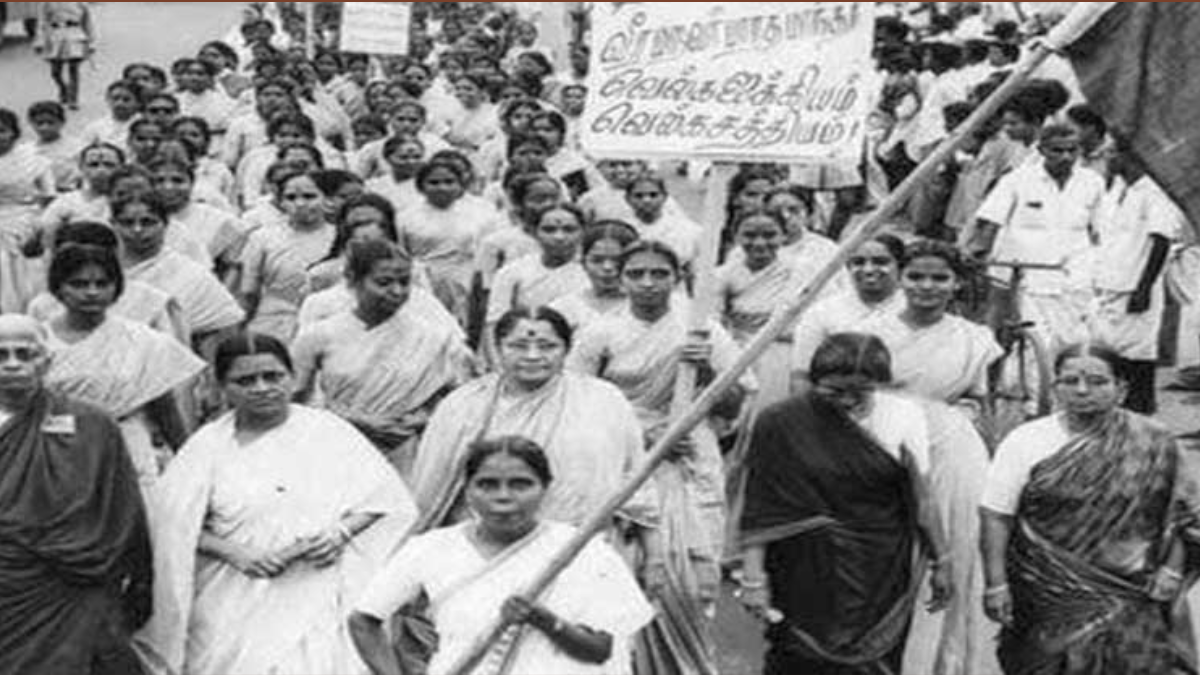
The story of India’s freedom struggle is not complete without the contribution of women. They stood shoulder to shoulder with men, leading protests, spreading awareness, and even taking up arms when needed. From inspiring speeches to acts of great courage, women played a vital role in uniting the nation against British rule and proved that the fight for independence was everyone’s responsibility.
Breaking Barriers, Women’s Role in Freedom Struggle
In the early days, women’s participation was mostly symbolic—leaders wanted them to support the cause but not take leadership roles. However, things began to change when women from different regions, religions, and social backgrounds came together to fight for freedom.
Some notable leaders were:
-
Sarojini Naidu – Known as the Nightingale of India, she was a strong leader in movements like the Salt Satyagraha.
-
Vijayalakshmi Pandit – Represented India on global platforms and inspired women to take part in politics.
-
Kamaladevi Chattopadhyay – Encouraged women to join protests and worked for social reforms.
- Mridula Sarabhai – Known for her fearless activism.
Even foreign women like Annie Besant and Margaret Cousins joined the movement, using their experience with British rule in Ireland to support India’s cause.
Why Gandhi’s Support Changed Everything?
Mahatma Gandhi was a turning point for women’s participation. His principle of non-violence (Ahimsa) matched qualities that women were already known for—patience, courage, and endurance.
- Gandhi encouraged women to join satyagraha campaigns (non-violent protests).
- Women gained confidence to face arrests, public protests and police brutality.
- This movement helped middle-class women join the fight alongside elite and rural women.
Important Movements Where Women Shined
Women played important roles in almost every major freedom movement:
Non-Cooperation Movement (1920)
- Boycotted British goods, schools and institutions.
- Joined protest marches and rallies.
- Many women went to jail for the first time.
Salt Satyagraha (1930)
- Sarojini Naidu and Kamala Nehru led marches alongside Gandhi.
- Picketed salt depots and broke the British salt monopoly.
- Gandhi initially hesitated to involve women, but Sarojini Naidu convinced him.
Quit India Movement (1942)
- Women organized protests, mass rallies and underground work.
- Ran the Congress Radio to spread the movement’s message.
- Continued the struggle after male leaders were jailed.
Regional Women Leaders
Freedom fighters came from every corner of India:
- A.V. Kuttimaluamma and Annie Mascarene – Kerala
- Durgabai Deshmukh – Madras Presidency
- Rameshwari Nehru – Uttar Pradesh
These leaders organized local protests, strikes and awareness campaigns, ensuring the movement reached villages and small towns.
Why Women’s Role was So Important?
Women’s involvement in the freedom struggle left a lasting mark on Indian society:
- Unity in Diversity: Leaders like Rani Lakshmibai and Begum Hazrat Mahal represented different regions and religions but fought for the same cause.
- Breaking Social Barriers: Women moved from domestic roles to leadership positions.
- Empowerment: Participation in protests gave women the confidence to take part in politics, governance and education after independence.
- Symbol of Bharat Mata: Women became the living image of the nation, inspiring unity and patriotism.


 What is National Investigation Agency? C...
 Which State is the Largest Petroleum Pro...
 Largest Crude Oil Supplier Countries to ...