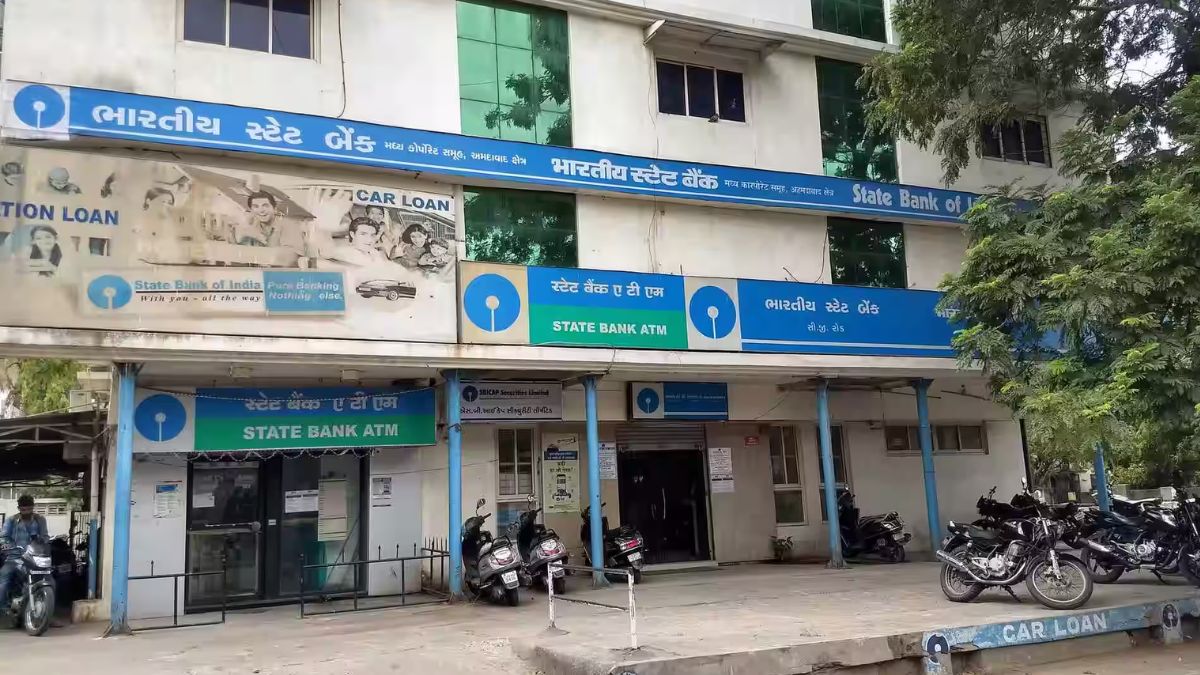
In a move impacting digital banking transactions, the State Bank of India (SBI) has revised its IMPS (Immediate Payment Service) fee structure. Effective August 15, 2025, SBI will impose nominal charges on online IMPS transactions exceeding ₹25,000, a change that affects millions of customers using UPI-linked or net banking services for instant fund transfers.
This change, however, does not affect branch-based IMPS transactions or certain exempt account categories.
IMPS Charges Revised: What’s New?
According to SBI’s updated guidelines, online IMPS transfers will now incur tiered service charges based on the transaction amount:
Transfer Amount/Service Charge (Excl. GST)
- ₹25,001 to ₹1 lakh/₹2
- ₹1 lakh to ₹2 lakh/₹6
- ₹2 lakh to ₹5 lakh/₹10
These charges will be subject to applicable GST, and are limited to transactions made via internet banking, YONO, or mobile banking.
Who is Exempted from These Charges?
To provide relief to key customer categories, SBI has announced full waivers for,
- Salary Package Account Holders
- Select Current Accounts, including:
- Gold, Diamond, Platinum, and Rhodium tiers
- Government departments and autonomous/statutory bodies
- This ensures that regular salaried individuals and business entities with premium banking relationships do not face additional costs.
Charges for Corporate Customers
While the new charges come into effect for retail users from August 15, corporate customers will see a revised charge structure implemented from September 8, 2025.
SBI has not yet detailed these charges publicly, but they are expected to follow a similar structure with possible customizations for large-volume transactions.
IMPS: A Snapshot
The Immediate Payment Service (IMPS) allows real-time fund transfers 24×7 across India and is often used as an alternative to NEFT or RTGS for quick payments. It’s particularly popular for,
- P2P (person-to-person) payments
- Bill and rent transfers
- Online shopping settlements
Until now, most online IMPS transactions were free, making it a preferred mode for mid-size digital transfers.
Why This Move Matters
SBI’s decision is seen as a move to,
- Recover operational costs of real-time digital payments
- Discourage excessive micro-transactions at higher values
- Align fee structures with service utility and digital infrastructure upgrades
- It also comes at a time when UPI remains free for P2P transfers, making IMPS relatively more commercial in nature.


 RBI Tightens Forex Market Controls With ...
 RBI Payments Vision 2028: Big Shift Towa...
 Now Get Home Loan From Anywhere: NHB Lau...