
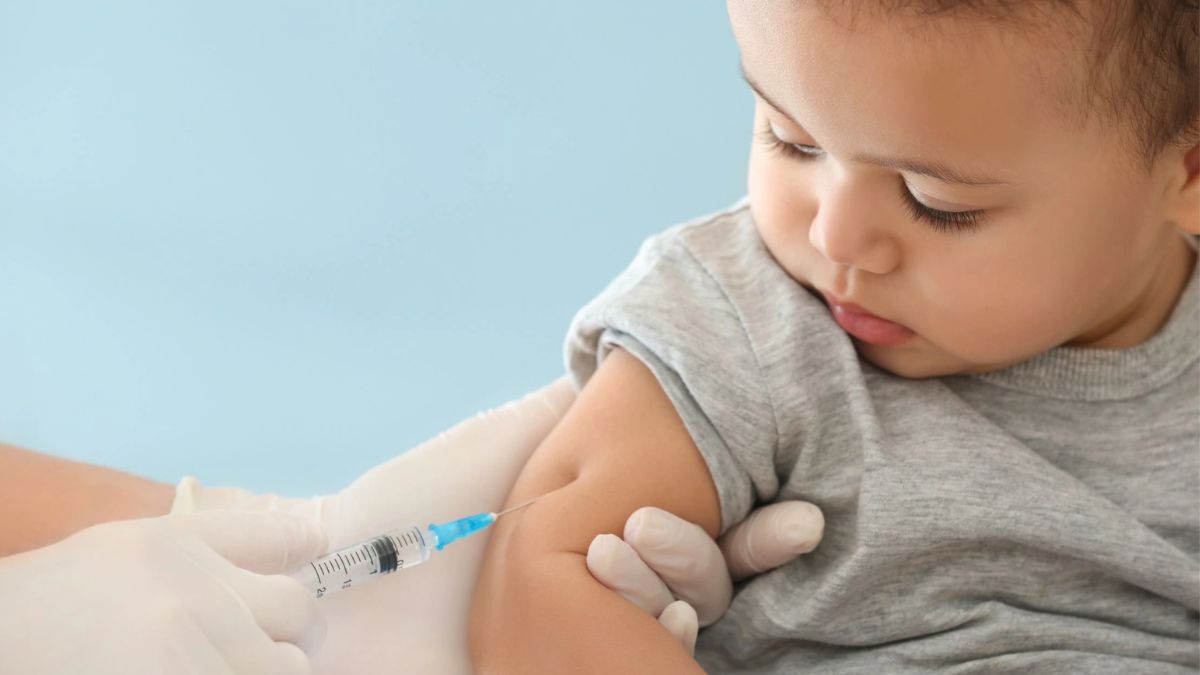
South Asia has achieved its highest-ever immunisation coverage for children in the year 2024, as per new data released by UNICEF and the World Health Organization (WHO). This progress marks a major milestone in protecting millions of children from deadly but preventable diseases such as diphtheria, measles, and rubella. The region’s success reflects sustained government commitment, innovative delivery models, and renewed efforts to reach every child—even in remote areas.
Background and Context
Childhood immunisation has long been a cornerstone of public health strategies in South Asia, a region home to a large share of the world’s population. However, setbacks during the COVID-19 pandemic caused disruptions in routine vaccination services. With 2024 showing a strong rebound and even surpassing pre-pandemic levels, it signals a return to full-strength public health initiatives focused on children’s survival and development.
Aim and Objective
The overall objective behind South Asia’s vaccination push is to ensure universal access to life-saving vaccines for children, reduce preventable disease outbreaks, and lower child mortality. Vaccines like DTP (Diphtheria, Tetanus, and Pertussis) and measles remain essential indicators of healthcare outreach and national health policy effectiveness. The goal is not only high coverage but also equity—ensuring that zero-dose children (those who have never received any vaccine) are reached.
Key Highlights of the 2024 Data
In 2024, 92% of infants in South Asia received the third dose of DTP, up from 90% in 2023. The first-dose DTP coverage also rose to 95%. One of the most important developments was the 27% reduction in zero-dose children, from 2.5 million in 2023 to 1.8 million in 2024. India achieved a 43% drop in its zero-dose population, going from 1.6 million to 0.9 million, while Nepal reported a 52% reduction.
Pakistan achieved its highest-ever DTP3 coverage at 87%, but Afghanistan remains behind, with the lowest coverage in the region and a slight drop in performance. In measles immunisation, the region reached 93% coverage for the first dose and 88% for the second, contributing to a 39% fall in measles cases from 90,000 to 55,000 in one year.
Focus on HPV Vaccination
The region also made strides in HPV vaccination, which protects against cervical cancer. Coverage rose from 2% in 2023 to 9% in 2024. Countries like Bangladesh, Bhutan, Maldives, and Sri Lanka made notable progress. Nepal launched its HPV programme in February 2025, already reaching 1.4 million girls. India and Pakistan are set to begin their HPV vaccination programmes by the end of 2025.
Government Action and Collaboration
The success across South Asia stems from a combination of strong government leadership, financial investments, and frontline health worker engagement, especially women-led community workers. Governments also used digital tracking tools, ran targeted awareness campaigns, and improved data monitoring systems to ensure children and adolescents were not left behind. Backed by donors, local manufacturers, and global organisations like UNICEF and WHO, these efforts have helped restore public trust and build resilience in the healthcare system.
Significance
Although the numbers show solid progress, challenges remain. Over 2.9 million children across the region are still under-vaccinated or unvaccinated. WHO and UNICEF have urged governments to increase domestic financing, extend HPV coverage, and invest in health workforce capacity to reach remote and marginalised populations. The 2024 immunisation success shows what is possible when political will, community trust, and international partnerships come together.


 Costa Rica Launches Snake Identification...
 WTO 14th Ministerial Conference Conclude...
 Former Suriname President Chandrikapersa...











