
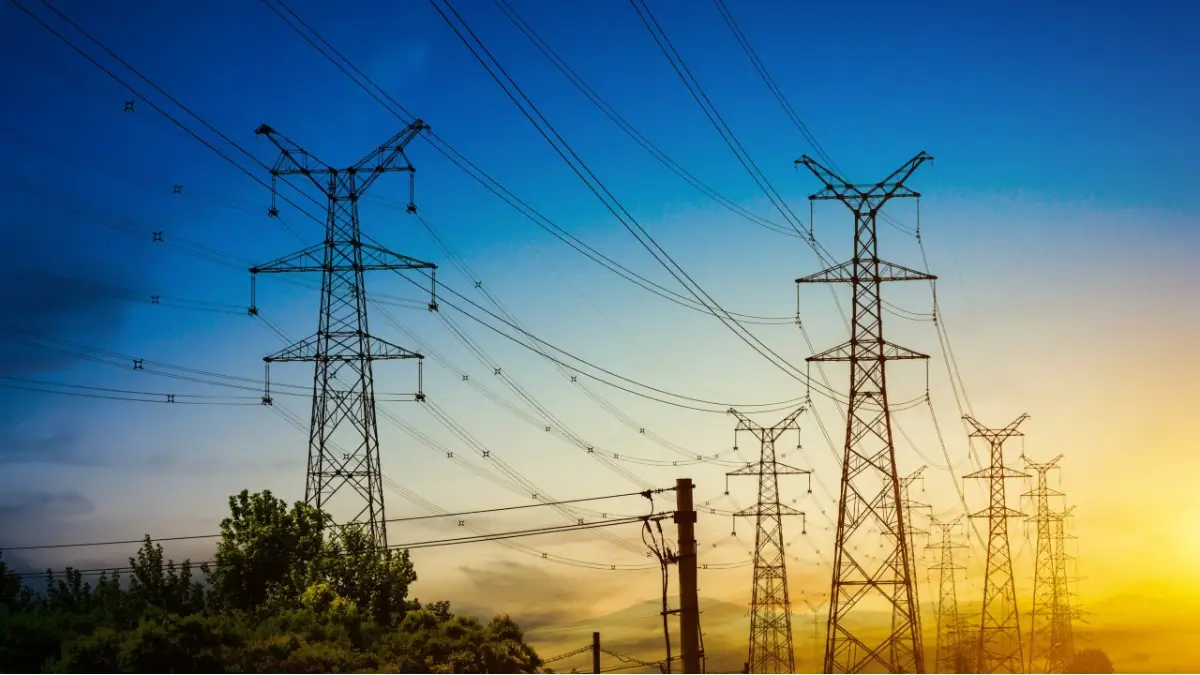
Electricity is one of the most important needs for India’s progress, supporting industries, homes, transport, and modern technology. Some states play a leading role in producing power for the country by using coal, water, wind, and solar energy. In 2025, the top electricity-producing states not only meet their own demand but also supply power to other regions, making them key to India’s growth and development.
Top-10 Electricity Producing States in India by 2025
Gujarat is the largest electricity producer in India, contributing around 12.61% of the total power. The list followed by Maharashtra, Rajasthan and Tamil Nadu.
Here is the list of top-10 electricity producing states in India by 2025:
| Rank | State | Share of India’s Total Power Generation (%) |
| 1. | Gujarat | 12.61% |
| 2. | Maharashtra | 10.71% |
| 3. | Rajasthan | 10.29% |
| 4. | Tamil Nadu | 7.63% |
| 5. | Karnataka | 6.30% |
| 6. | Uttar Pradesh | 5.88% |
| 7. | Andhra Pradesh | 5.25% |
| 8. | Madhya Pradesh | 4.62% |
| 9. | Telangana | 3.78% |
| 10. | Haryana | 2.94% |
Gujarat, Largest Producer of Electricity in India
Gujarat is the largest electricity producer in India, contributing around 12.61% of the total power. The state has built a strong mix of thermal, solar, hydro, and wind projects. Mega projects like Charanka Solar Park and large wind farms make Gujarat a leader in both traditional and renewable power generation.
Maharashtra
Maharashtra comes second with about 10.71% of India’s electricity. It is home to big plants like Tarapur Atomic Power Station and Chandrapur Super Thermal Power Station. Maharashtra’s energy supply supports its vast industries, cities, and transport networks.
Rajasthan
Rajasthan generates 10.29% of India’s electricity. With its sunny climate, it is a hub of solar power. The famous Bhadla Solar Park, one of the world’s largest, is located here. Along with solar, the state also invests in wind and thermal power.
Tamil Nadu
Tamil Nadu contributes about 7.63% to the national power supply. It is a pioneer in wind energy and also produces solar and thermal power. The state’s renewable energy projects help power industries and large urban centers.
Karnataka
Karnataka produces 6.30% of India’s electricity. It is among the top states in solar and wind energy. The state focuses heavily on renewable projects and has become a key player in India’s green energy mission.
Uttar Pradesh
Uttar Pradesh contributes 5.88% to India’s power generation. Being the most populous state, it has high electricity needs. The government is expanding both thermal and hydroelectric plants, with many new projects under progress.
Andhra Pradesh
Andhra Pradesh generates 5.25% of India’s electricity. With its long coastline, the state has good potential for solar and wind projects. It also runs several thermal and hydro plants, making it a balanced contributor to the power grid.
Madhya Pradesh
Madhya Pradesh accounts for 4.62% of total power production. It has a strong network of thermal stations and hydroelectric projects. Located in central India, the state helps distribute electricity across different regions.
Telangana
Telangana produces about 3.78% of India’s electricity. It is rapidly expanding its thermal and solar projects to meet rising demand. The state has become an important part of India’s electricity network.
Haryana
Haryana contributes 2.94% of national electricity. It supplies power to its fast-growing industries and urban centers. The state is also focusing on renewable projects to strengthen its energy security.


 Who is known as the Father of Mobile Pho...
 Which is the Highest Airport in the Worl...
 Which Country is the Largest Exporter of...











