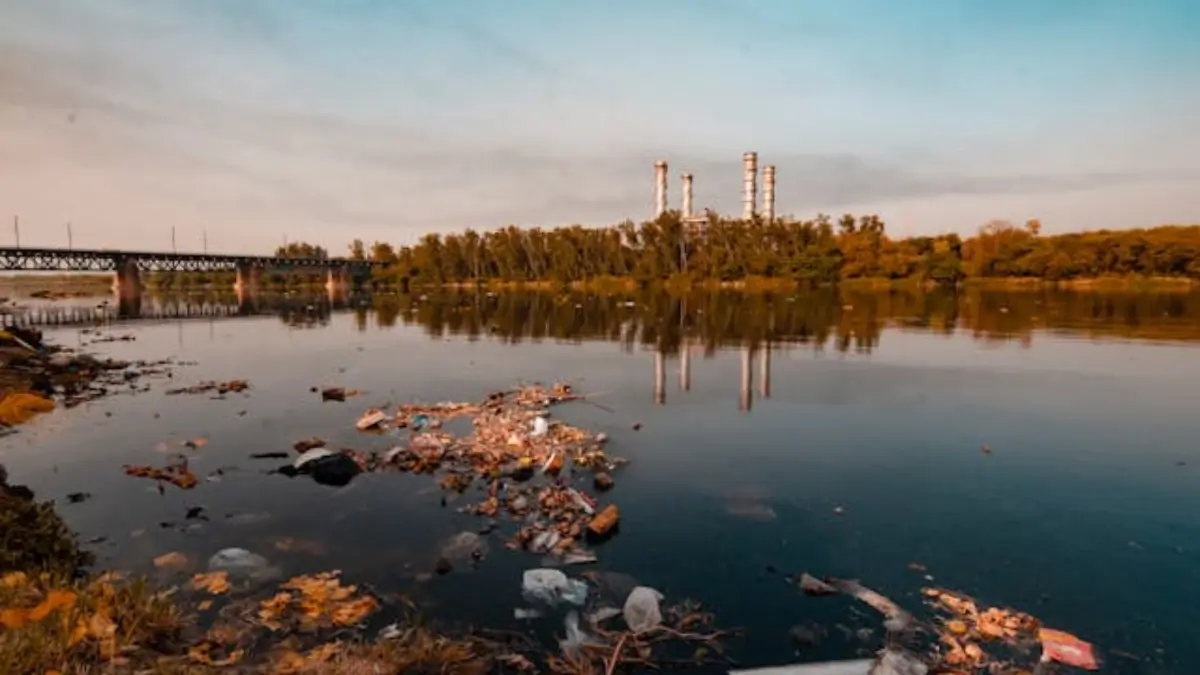
Water is the lifeline of our lives and environment. However, many rivers in India are heavily polluted due to urban sewage, industrial discharge, and agricultural runoff. This not only affects biodiversity but also poses serious health risks for people depending on these rivers. In this article, we look at some of the most polluted rivers in India as of 2025, the causes of their pollution, and why this matters for everyone.
Major Causes of River Pollution
The reasons behind the rising pollution levels in Indian rivers are diverse and interconnected.
Here are the main contributors:
- Industrial Waste: Many factories discharge untreated chemical effluents directly into rivers.
- Sewage and Domestic Waste: In most cities, untreated sewage is dumped into river systems.
- Plastic and Solid Waste: Poor waste management leads to plastic litter choking waterways.
- Agricultural Runoff: Fertilizers and pesticides from farmlands wash into rivers, disturbing aquatic ecosystems.
- Urbanization: Rapid, unplanned growth in cities increases the burden on sewage systems and rivers.
Top-10 Most Polluted Rivers in India by 2025
According to the Central Pollution Control Board (CPCB), the following rivers remain the most polluted in India in 2025:
| River | States Traversed | Main Pollutants | People/ Organisms Affected |
| Ganga | Uttarakhand, UP, Bihar, WB | Human waste, industrial effluents | Over 500 million people |
| Yamuna | Delhi, Haryana, UP | Sewage, plastics, industrial waste | 57 million people, aquatic life |
| Mithi | Maharashtra (Mumbai) | Chemicals, sewage, plastics | Millions, especially slum areas |
| Musi | Telangana | Pharmaceutical waste, sewage | 1 lakh residents |
| Sabarmati | Gujarat | Chemicals, poor sewage treatment | Millions in Ahmedabad |
| Periyar | Kerala | Industrial discharge | 5.5 million residents |
| Tungabhadra | Karnataka, Andhra Pradesh | Mining waste, sewage | 14 million |
| Bharalu | Assam | City waste, sewage | Local residents, aquatic life |
| Cocom | Tamil Nadu | Municipal waste, industrial effluents | Thousands of families |
| Buckingham Canal | Tamil Nadu, Andhra Pradesh | Agricultural and sewage waste | Around 20,000 people |
The Yamuna Clean-Up Mission
Among all polluted rivers, the Yamuna River stands out as a symbol of India’s pollution crisis.
The government’s Mission Yamuna Clean-Up aims to rejuvenate the river, especially through efforts around Delhi’s riverbanks.
Recent Developments (2025)
Some improvement was seen before Chhath Puja 2025, thanks to temporary clean-up drives.
Sewage treatment plants (STPs) and drain tapping projects have helped reduce waste inflow in certain areas.
Higher water discharge from Wazirabad barrage during the post-monsoon season temporarily dilutes toxins.
However, experts note that the problem is far from solved. Frothing, foul odor, and black water still plague the Yamuna, especially near Najafgarh drain and the Signature Bridge area.
Why is River Frothing Dangerous?
The white foam often seen on the Yamuna during festivals like Chhath Puja is caused by toxic chemical reactions from detergents, sewage, and industrial waste.
This froth:
- Contains ammonia and phosphate compounds harmful to skin and eyes.
- Indicates severe water pollution and low oxygen levels.
- Endangers aquatic life and poses health risks to devotees.
Government and Public Response
While government departments have launched several river rejuvenation missions, critics argue that many remain short-term or cosmetic measures.
Environmentalists and citizen groups continue to demand:
- 24×7 drain monitoring to prevent illegal discharges.
- Increased sewage treatment coverage across cities.
- Maintaining minimum environmental flow in rivers year-round.
- Public participation in clean-up drives to ensure accountability.
The Way Forward
India’s water future depends on sustained action, not seasonal clean-ups.
To truly restore rivers like the Ganga, Yamuna, and Musi, there must be:
- Stronger pollution control enforcement,
- Investment in eco-friendly technologies,
- Continuous public awareness, and
- Collaboration among governments, industries, and citizens.
Protecting rivers is not just an environmental goal—it’s a national responsibility.


 Which is the Most Consumed Beverage in t...
 Which is the Only Continent with No Tree...
 Which River is known as the National Riv...