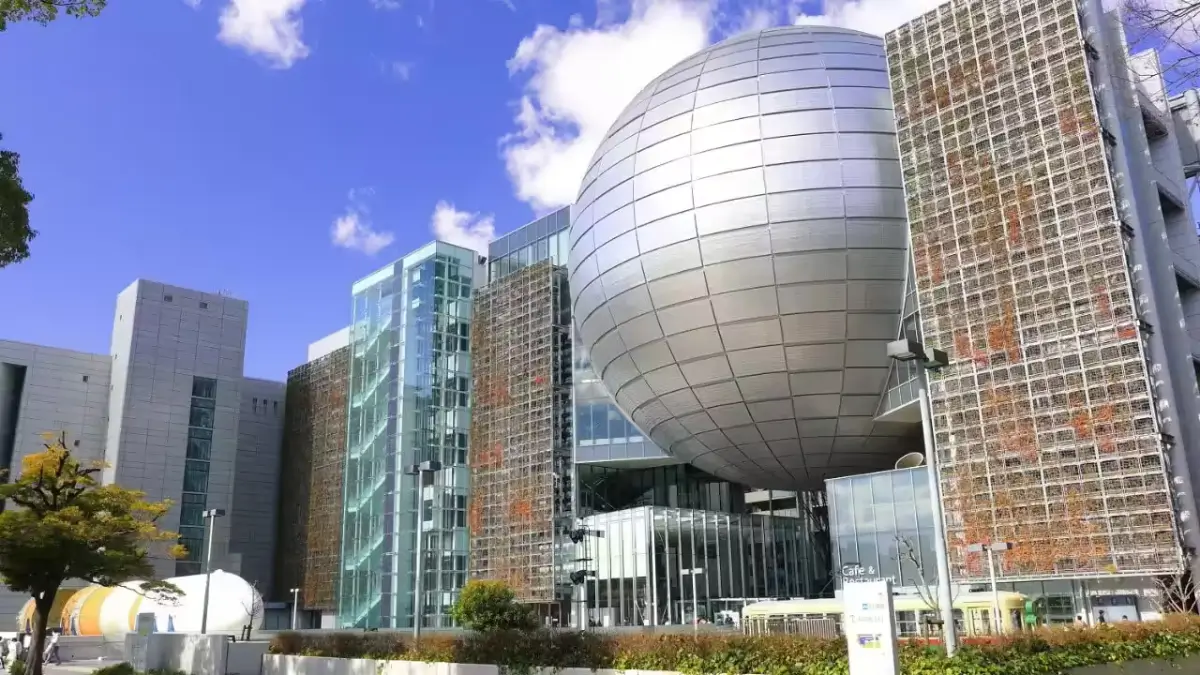
Planetariums are special places where people can learn about stars, planets, and the universe. They use large domes, lights, and projectors to show realistic views of space. Some planetariums are very big and can hold thousands of visitors at once. These large planetariums not only entertain but also educate people about astronomy and the wonders of the cosmos, making them popular destinations around the world.
What are Planetariums?
Planetariums are special places designed to teach people about space, stars, planets, and the universe. They have large domes where the night sky is projected using advanced technology. Visitors can watch realistic shows about stars, planets, and galaxies. Planetariums are used for education, research, and entertainment, helping students and space enthusiasts learn about astronomy in an easy and fun way.
Top-5 Largest Planetariums in the World
Planetariums are amazing places to explore stars, planets, and the universe. Some of them are very large, with huge domes and advanced technology, attracting millions of visitors who want to learn about space.
Here are the names of top-5 largest planetariums in the world:
- Nagoya City Science Museum Planetarium, Japan
- Shanghai Astronomy Museum Planetarium, China
- Planetarium Science Center, Shenzhen, China
- ESO Supernova Planetarium, Germany
- Nehru Planetarium, India
Nagoya City Science Museum Planetarium
The Nagoya City Science Museum in Japan is famous for its enormous planetarium. Its dome is about 35 meters in diameter, making it one of the largest in the world. The planetarium is designed to teach astronomy in a realistic and fun way. Visitors can enjoy shows that explain stars, planets, and galaxies with advanced digital projections. It is also a popular place for students preparing for exams and for anyone interested in learning more about space.
Shanghai Astronomy Museum Planetarium
The Shanghai Astronomy Museum Planetarium in China is another massive facility with a 30-meter wide dome. Located in one of the world’s largest cities, the museum combines science, research, and culture. It has modern displays about the universe and provides interactive programs for visitors. The planetarium also hosts workshops and educational activities to make astronomy accessible to everyone, from young children to adult learners.
Planetarium Science Center
The Planetarium Science Center (PSC) in Shenzhen, China, has a dome about 28 meters in diameter. This planetarium focuses on teaching astronomy through shows, exhibitions, and educational events. It also hosts international conferences for astronomers and scientists to discuss discoveries in space science. PSC is a popular spot for students and researchers to explore the mysteries of stars, galaxies, and planets.
ESO Supernova Planetarium
Located in Garching, Germany, the ESO Supernova Planetarium has a 14-meter tilted dome. It is part of the European Southern Observatory and is one of the largest planetariums in Europe. The ESO Supernova Planetarium uses high-definition technology to show accurate visuals of the universe. Its main goal is to teach people about space research and increase awareness of astronomy through realistic and research-based shows.
Nehru Planetarium
The Nehru Planetarium in New Delhi, India, is one of the biggest planetariums in the country with a dome size of 15 meters. It offers sky shows, lectures, and workshops for students and the general public. Many school groups and students preparing for competitive exams visit the planetarium to learn about astronomy. The facility combines education and entertainment to make the study of space fun and accessible.


 Which is the Smallest Island in the Worl...
 Which Country is the Largest Producer of...
 Which Beverage is known as the Queen of ...