Flowers are admired for their colors and fragrance, but not all are safe to touch or eat. Some flowers contain strong toxins that can be harmful to humans and animals. A few are even deadly if consumed in small amounts. Knowing about these poisonous flowers helps us stay safe while still enjoying nature’s beauty. Let’s explore the top 5 poisonous flowers found around the world.
Top-5 Most Poisonous Flowers in the World
Flowers may look beautiful, but some are extremely dangerous. Certain flowers contain strong toxins that can harm people and animals if touched or eaten. From Oleander to Foxglove, these poisonous flowers remind us that nature’s beauty can sometimes hide serious risks.
Here are the names of top-5 most poisonous flowers in the world:
- Aconitum (Monkshood)
- Lily of the Valley
- Sago Palm (Cycas revoluta)
- Golden Dewdrop (Duranta erecta)
- Carolina Jessamine (Gelsemium sempervirens)
Aconitum (Monkshood)
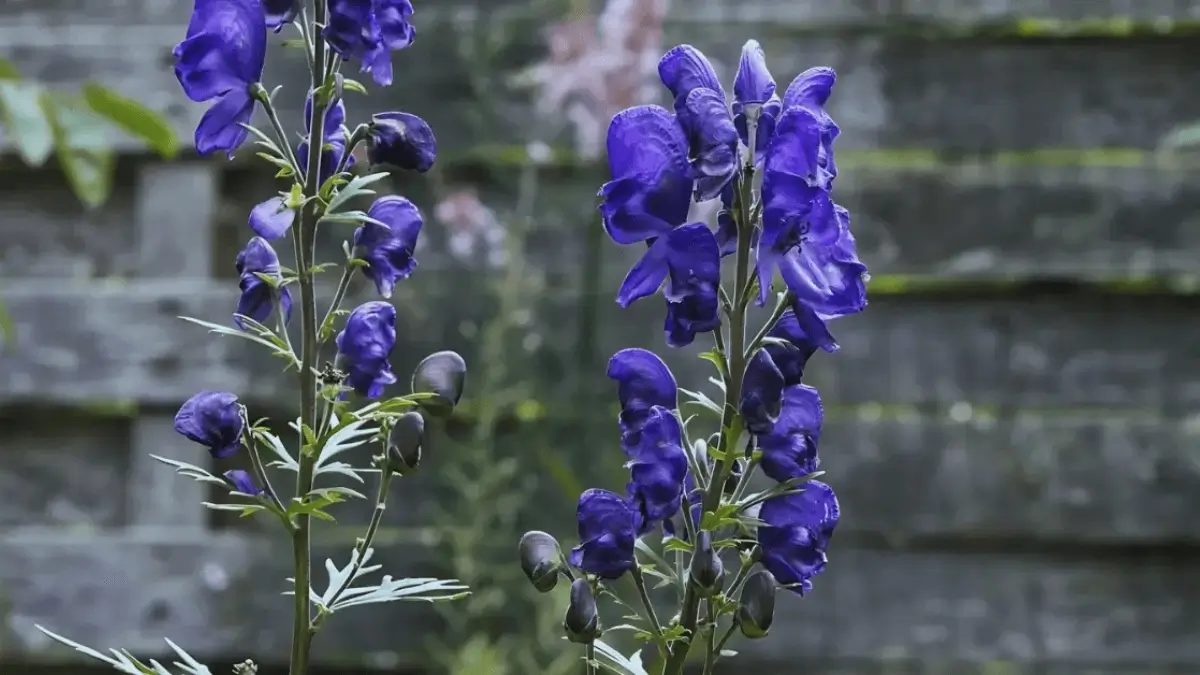
Monkshood is a beautiful plant with purple-blue, helmet-shaped flowers often found in Europe’s cool, shady regions. But behind its charm lies danger. All parts of the plant, especially the roots, are highly poisonous. It contains a toxin called aconitine, which can cause heart problems, numbness, and breathing difficulty. Even touching it can be risky, making this one of the most dangerous flowers in the world.
Lily of the Valley
Lily of the Valley is a small, delicate flower with sweet-smelling white bells, often seen in spring gardens across Europe and Asia. Though it looks harmless, the plant is extremely poisonous. Eating any part of it can cause nausea, vomiting, dizziness, or irregular heartbeat. Even water from a vase holding these flowers can carry toxins, so it must always be handled carefully despite its innocent beauty.
Sago Palm (Cycas revoluta)
The Sago Palm looks like a mini palm tree with shiny, feather-like leaves, and is often grown as a decorative plant in warm regions. However, it is very poisonous to both humans and animals. Its seeds and leaves contain strong toxins that can cause vomiting, liver damage, and even death. Many people mistake it for a safe houseplant, but it is one of the deadliest garden plants.
Golden Dewdrop (Duranta erecta)
Golden Dewdrop is a fast-growing shrub with bright purple-blue flowers and clusters of golden-yellow berries. Found in tropical and warm regions, it is popular as an ornamental plant. But its beauty hides danger—the berries and leaves are highly toxic. Eating them can cause stomach pain, vomiting, and serious illness, especially in children and pets. This is why the plant, though attractive, must be handled with care.
Carolina Jessamine (Gelsemium sempervirens)
Carolina Jessamine is a climbing vine known for its cheerful, trumpet-shaped yellow flowers and sweet fragrance. Native to the southern United States, it blooms in late winter and early spring. However, every part of this plant is dangerous if eaten. It contains alkaloids that affect the nervous system, leading to dizziness, paralysis, or even death. Despite its beauty, Carolina Jessamine is a flower best admired from afar.


 Which State is the Largest Consumer of L...
 Which is the Smallest Island in the Worl...
 Which Country is the Largest Producer of...