
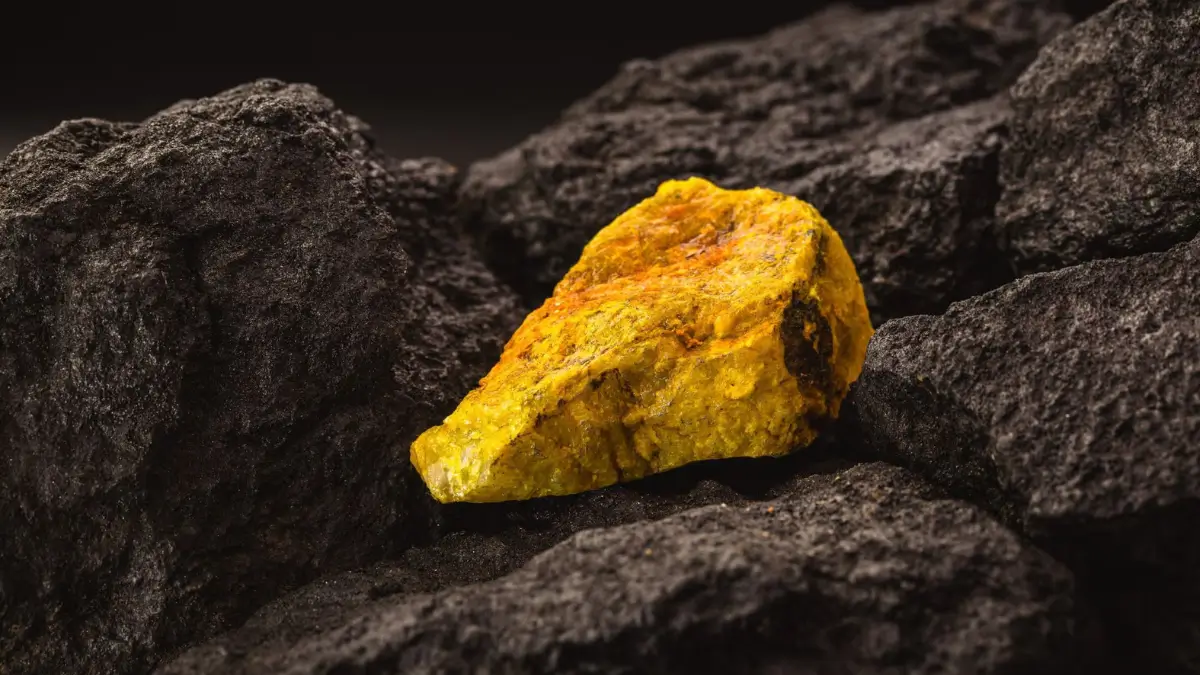
Did you know the fuel that powers many nuclear reactors around the world comes from a metal hidden deep inside rocks beneath deserts, forests and icy lands? Uranium may not be visible to us, but it quietly plays a huge role in global electricity production and energy security.
Countries rich in natural resources often gain strategic importance, and uranium is one of the most valuable among them. Nations that possess large deposits can support long-term nuclear power programs and even export fuel to others.
Some reserves lie in extremely remote areas — hot deserts, frozen plains and deep underground mines. Extracting them requires advanced technology, skilled workers and strict safety rules, making uranium mining both challenging and fascinating.
Because clean energy demand is rising, the importance of uranium is growing every year. Governments closely monitor which nations hold the biggest reserves, as it influences future energy plans and international cooperation.
In this ranking, we explore the countries that hold the largest uranium reserves in 2026 and why their resources matter to the world.
Global Uranium Reserves
According to global estimates, around 6 million tonnes of uranium exist worldwide. However, most of it is not evenly spread across the planet — only a handful of countries control a major share. Because of this, uranium reserves play a big role in international politics, trade, and long-term energy planning.
Check This: Which Country is the Largest Sweet Potato Producing Country in the World?
Top-7 Countries by Uranium Reserves in 2026
Australia, with an estimated uranium reserves of 1.68-1.95 reserves tonnes, stands as the largest country in terms of Uranium reserves, followed by Kazakhstan, Canada and Russia.
Here is the list of top-7 countries by uranium reserves in 2026:
| Rank | Country | Estimated Uranium Reserves |
| 1. | Australia | 1.68 – 1.95 million tonnes |
| 2. | Kazakhstan | 813,900 – 874,000 tonnes |
| 3. | Canada | 582,000 – 865,000 tonnes |
| 4. | Russia | 500,000+ tonnes |
| 5. | Namibia | 500,000+ tonnes |
| 6. | Niger | 300,000+ tonnes |
| 7. | United States | Limited but notable |
The World’s Largest Uranium Holder – Australia
Australia has the biggest uranium reserves on Earth, holding roughly about 28% of global resources. Its reserves are estimated between 1.68 and 1.95 million tonnes.
The country contains some of the largest uranium deposits ever discovered, including the famous Olympic Dam mine, which is also rich in copper and gold.
Even though Australia has strict environmental rules and limited domestic nuclear power plants, it exports uranium to many countries. Because of its huge resources, it will remain important for nuclear fuel supply for decades.
Kazakhstan
Kazakhstan ranks second in reserves but is actually the largest uranium producer in the world.
It has between 813,900 and 874,000 tonnes of uranium. The country mainly uses a special mining method called in-situ recovery (ISR), which is cheaper and less damaging to the land than traditional mining.
Due to its low-cost extraction, Kazakhstan plays a critical role in keeping global nuclear fuel prices stable.
Canada
Canada possesses around 582,000 to 865,000 tonnes of uranium reserves. Most of this lies in the Athabasca Basin in Saskatchewan.
This region contains some of the richest uranium ore in the world, meaning smaller quantities can produce more fuel. Because of its quality and political stability, Canadian uranium is considered highly reliable in international markets.
Russia
Russia holds more than 500,000 tonnes of uranium resources. Many of these deposits are not fully developed yet, giving the country strong long-term supply potential.
In addition to mining, Russia is also a major player in:
- Uranium enrichment
- Nuclear reactor technology
- Nuclear fuel exports
This makes Russia influential not only in reserves but also in the overall nuclear energy industry.
Namibia
Namibia is one of the most important uranium producers in Africa, with over 500,000 tonnes of reserves.
Major mines include:
- Rossing Mine
- Husab Mine
Mining contributes heavily to Namibia’s economy, and global demand for nuclear energy keeps the country relevant in energy markets.
Niger
Niger holds more than 300,000 tonnes of uranium resources. Despite being a developing nation, uranium exports form a large part of its income.
For many years, Niger has been a major uranium supplier to European nuclear power plants, especially France.
United States
The United States does not have the largest reserves compared to others, but it still possesses important domestic deposits.
Because the US operates many nuclear reactors, it imports a significant amount of uranium while maintaining strategic reserves for energy security.
Why Uranium Reserves Matter?
Uranium reserves influence more than electricity production. They affect:
Energy independence of countries
- Electricity prices
- Climate change goals
- Global political relations
Countries with large reserves often gain strategic importance because nuclear energy produces low-carbon electricity.


 GK Quiz on Strait of Hormuz, Questions a...
 Which Countries Border the Strait of Hor...
 Which is the Poorest Country in Europe?











