
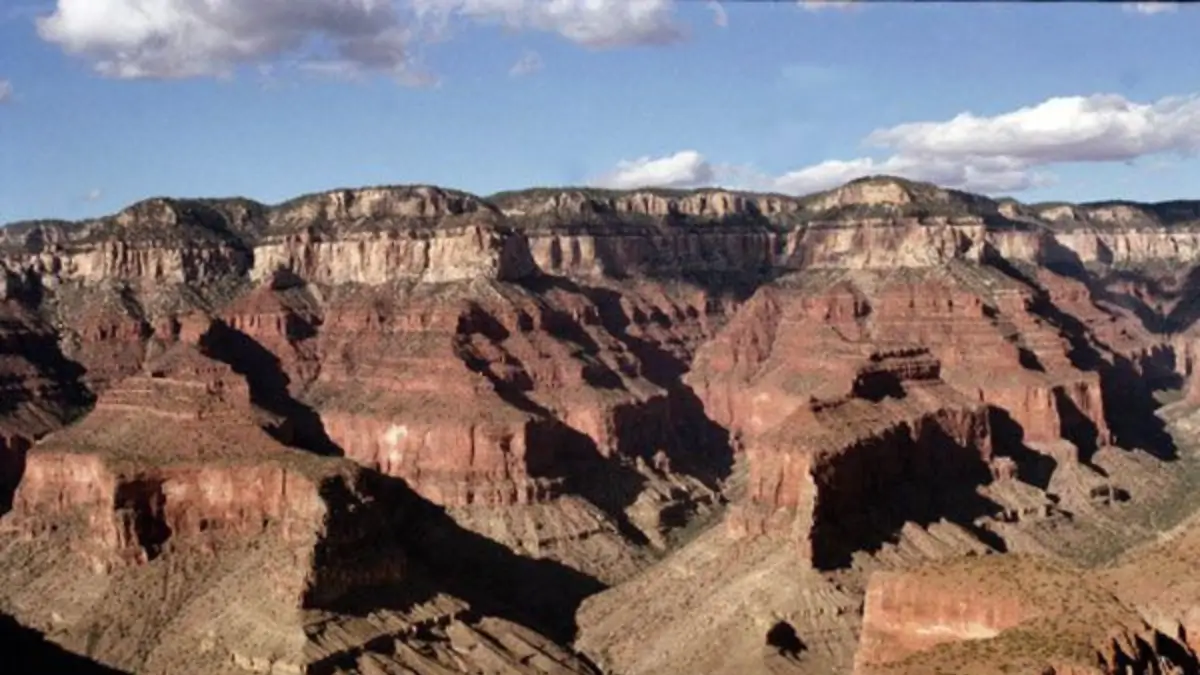
Rocks are like history books that tell the story of our planet. Some rocks found on Earth are extremely old, formed billions of years ago when the planet was still very young. These ancient rocks help scientists understand how Earth was created, what the early environment looked like, and when life may have first started. Learning about the oldest rocks teaches us about Earth’s earliest past.
Top-7 Oldest Rocks Ever Found in the World
The oldest rocks on Earth are rare pieces of our planet’s early history. These ancient rocks, found in places like Australia, Canada, and Greenland, help scientists understand how Earth formed and what early conditions were like.
Here are the top-7 oldest rocks every found in the world:
- Jack Hills Zircons
- Nuvvuagittuq Greenstone Belt
- Acasta Gneiss
- Isua Greenstone Belt
- Narryer Gneiss Terrane
- Akeron Gneiss
- Barberton Greenstone Belt
Jack Hills Zircons
The Jack Hills zircons in Western Australia are the oldest materials ever discovered on Earth, with an age of about 4.4 billion years. These tiny crystals formed soon after Earth’s crust cooled, and they show that liquid water may have existed very early in Earth’s history. Their discovery changed our understanding of the planet’s earliest period.
Nuvvuagittuq Greenstone Belt
The Nuvvuagittuq Greenstone Belt in Quebec contains some of the oldest volcanic and sedimentary rocks known, possibly up to 4.28 billion years old. These ancient rocks may represent early parts of Earth’s crust and even hold chemical signs of early life and deep-sea activity that happened shortly after the planet formed.
Acasta Gneiss
The Acasta Gneiss in Canada’s Northwest Territories is about 4.03 billion years old and is the oldest confirmed intact rock formation on Earth. It provides valuable information about how the first continental crust formed and how early tectonic activity shaped the planet, making it one of the most studied ancient rock sites.
Isua Greenstone Belt
The Isua Greenstone Belt in Greenland contains rocks that are around 3.7 to 3.8 billion years old and preserves some of the earliest pieces of oceanic crust. These rocks include volcanic layers, iron formations, and possible signs of early life, helping scientists understand what Earth looked like only a few hundred million years after it formed.
Narryer Gneiss Terrane
The Narryer Gneiss Terrane in Western Australia features rocks aged between 3.6 and 3.8 billion years and is linked to the famous Jack Hills zircon discoveries. This area holds important clues about early crust formation and helps researchers study how the planet’s first stable landmasses developed during the Archean Eon.
Akeron Gneiss
The Akeron Gneiss in Greenland is about 3.6 to 3.7 billion years old and offers key information about Earth’s early crust and tectonic activity. Its mineral makeup helps scientists understand how the planet cooled, changed, and slowly formed stable rock layers during its early years.
Barberton Greenstone Belt
The Barberton Greenstone Belt in South Africa contains rocks that are about 3.2 to 3.5 billion years old and is well-known for having some of the oldest fossil evidence of early life. This region shows what Earth’s environment looked like when simple life forms first started to appear.


 Which Place is known as the Onion Hub of...
 RBI Plans to Make TReDS Registration Eas...
 KreditBee Joins Unicorn Club After Raisi...











