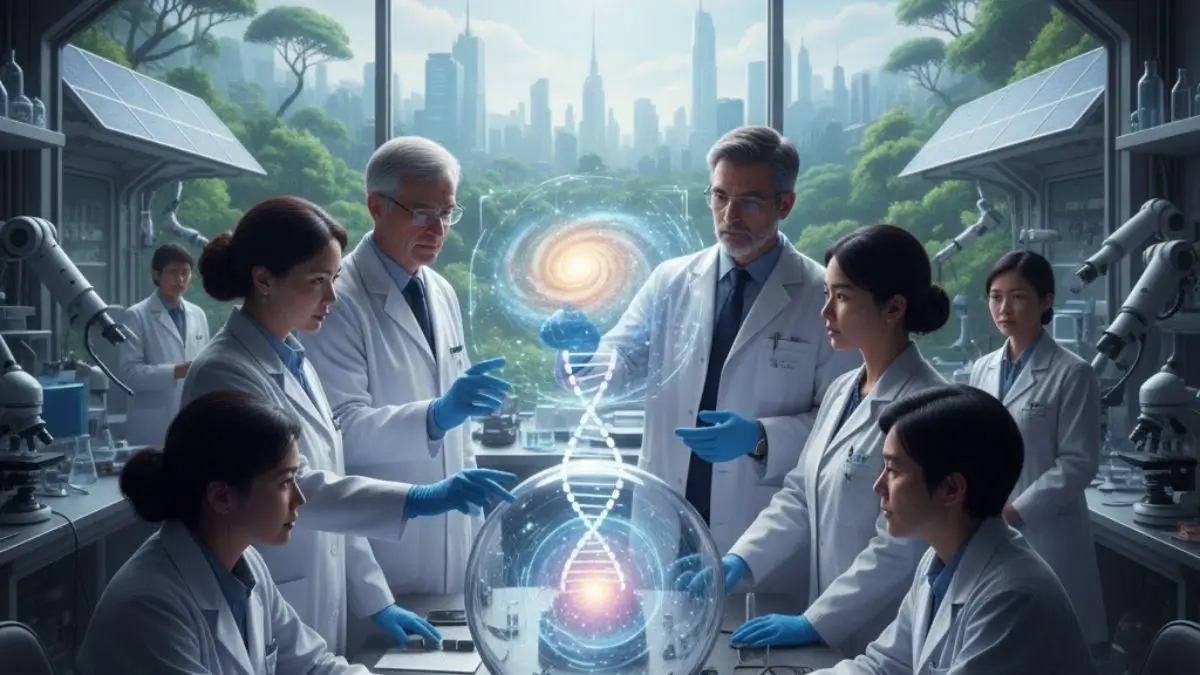
Every year on 10 November, the world comes together to celebrate the World Science Day for Peace and Development. Established by UNESCO in 2001, this global observance promotes the crucial role science plays in fostering peace, solving pressing global challenges, and improving human life. The 2025 theme, “Trust, transformation, and tomorrow: The science we need for 2050.” calls on students and young minds to actively explore how scientific thinking and creativity can shape a more peaceful and sustainable world.
Why World Science Day Matters
World Science Day strengthens the connection between science and society, ensuring that scientific advancements are not only understood by the public but are also applied to solve real-world problems. The day emphasizes,
- The impact of science on global challenges such as climate change, public health, and resource management
- The need for collaboration between nations and cultures to advance scientific knowledge
- The role of science education in promoting peace, tolerance, and sustainable development
The 2025 Theme
Trust, transformation, and tomorrow: The science we need for 2050.
The theme this year encourages students to become active participants in scientific discovery, not just observers. It underlines that science is not confined to laboratories—it’s about curiosity, questioning, and problem-solving. Students are urged to think creatively and critically about the world around them and seek solutions to both local and global issues.
Whether it’s through experimenting at school, taking part in science clubs, or simply being curious about how things work, students can channel their energy into becoming the change-makers of tomorrow.
Why This Day Is Important for Students
Science is often seen as complex and technical. But World Science Day helps students realize that,
- Science is everywhere, from smartphones to agriculture to medicine.
- It’s about asking the right questions and solving problems—skills every student can develop.
- It empowers them to contribute to peacebuilding and sustainable progress, using knowledge to tackle inequalities, health crises, and environmental degradation.
- Students are reminded that science isn’t just a career—it’s a tool for transformation, and their ideas matter.
How Science Contributes to Peace and Development
Scientific research and innovation directly address the root causes of conflict—such as resource scarcity, climate disasters, and health emergencies. By providing solutions, science reduces the risks of unrest and promotes collaboration across borders.
Science also builds trust among nations through joint research projects, knowledge-sharing, and technological exchange. It becomes a bridge that unites diverse communities around common goals like clean water, food security, and climate resilience.
For example,
- Innovations in agriculture help prevent food shortages.
- Disease control and vaccinations reduce global health threats.
- Renewable energy technologies combat environmental degradation.
Ways Students Can Celebrate World Science Day
There are many fun and educational ways students can engage with this day,
- Science fairs or exhibitions showcasing peace-themed inventions
- Workshops and discussions on how science can solve global issues
- Online campaigns or social media projects sharing science facts and ideas
- Interactive sessions with scientists or environmentalists
- Hands-on experiments that show science in action
Participating in such activities helps students understand that their curiosity and efforts contribute to something larger—the well-being of humanity and the planet.
Youth: The Future of Scientific Innovation
Science is a continuous journey, and students represent the next generation of researchers, inventors, and leaders. Their engagement today will determine how well the world tackles future crises and opportunities.
Building trust in science, countering misinformation, and promoting facts over fear are responsibilities that rest increasingly with youth. With access to technology, knowledge, and platforms, students have the power to influence policies, drive innovation, and create inclusive solutions for global peace and progress.
Key Static Takeaways
- World Science Day is observed on 10 November, established by UNESCO in 2001.
- The 2025 theme is “Trust, transformation, and tomorrow: The science we need for 2050.
- It highlights science’s role in peacebuilding, sustainability, and global cooperation.
- Students are encouraged to explore science as a tool for real-world solutions.
- The day promotes public trust in science and counters misinformation through education.


 CISF Raising Day 2026: Date, History &am...
 International Women’s Day 2026: Date, Th...
 Women’s Day Special: Recent Awards and H...